Decor tiles transform ordinary surfaces into visual focal points. Whether you are adding a patterned backsplash to a kitchen, creating an accent wall in a bathroom, or laying a decorative floor in an entryway, the right decor tiles can elevate an entire room without the cost of a full renovation.
- What Are Decor Tiles?
- Types of Decorative Tiles
- Encaustic Cement Tiles
- Hand-Painted Tiles
- Patterned Ceramic and Porcelain Tiles
- Mosaic Decor Tiles
- Zellige Tiles
- Where to Use Decor Tiles
- Kitchen Backsplash
- Bathroom Feature Wall
- Entryway Floor
- Stair Risers
- Accent Walls in Living Spaces
- Fireplace Surround
- How to Mix Patterns Successfully
- Top Decor Tile Brands
- Decor Tile Pricing Guide
- Installation Considerations
- Care and Maintenance
- Frequently Asked Questions
This guide covers every major type of decorative tile, from hand-painted ceramics to cement encaustic, explains how to mix patterns without creating visual chaos, and breaks down pricing so you can plan your project with confidence.
What Are Decor Tiles?
Decor tiles is the broad term for any tile designed to serve a decorative purpose rather than purely functional coverage. While standard field tiles provide uniform color and texture across large areas, decor tiles introduce pattern, color, texture, and visual interest. They are used as feature elements — backsplashes, accent walls, decorative floor borders, shower niches, and fireplace surrounds.
Decorative tiles span an enormous range of materials and techniques: hand-painted glazed ceramics, cement-bodied encaustic tiles with inlaid pigments, patterned porcelain, glass mosaics, natural stone mosaics, and artisan-made zellige tiles. What unites them is their role as the visual highlight of a tiled surface rather than the background.
Types of Decorative Tiles
Each type of decor tile has distinct characteristics, applications, and price points. Understanding the differences helps you choose the right material for your project’s aesthetics, location, and budget.
Encaustic Cement Tiles
Encaustic cement tiles are one of the most sought-after categories of decor tiles. Originating in 19th-century Europe, these tiles are made by pouring layers of pigmented cement into metal molds. The color penetrates the full depth of the tile body — it is not a surface glaze — which means the pattern can withstand decades of foot traffic without wearing away.
Key Characteristics
- Handmade from cement, marble powder, and mineral pigments — not fired in a kiln
- Patterns are inlaid, not printed or painted on the surface
- Available in geometric, floral, and Moorish-inspired designs
- Typically 8″x8″ format, though 6″x6″ and 12″x12″ options exist
- Must be sealed upon installation and periodically thereafter
- Develop a natural patina over time that many homeowners find attractive
Best Applications
Encaustic tiles work beautifully as kitchen backsplashes, bathroom floors, entryway floors, and laundry room floors. They add instant character to otherwise neutral spaces. Many homeowners use a single encaustic pattern as a “rug” effect on a floor surrounded by plain field tile.
Popular Brands
Cement Tile Shop, Granada Tile, Cle Tile, Villa Lagoon Tile, and Sabine Hill are leading suppliers of encaustic cement tiles in the US market.
Hand-Painted Tiles
Hand-painted tiles are individual works of art. Each tile is painted by hand with colored glazes over a ceramic or terracotta body, then kiln-fired to set the design. Because they are painted individually, slight variations between tiles create an organic, artisan look.
Styles and Origins
- Talavera: Mexican hand-painted tiles with bold colors — cobalt blue, yellow, red, and green on white backgrounds. Traditional geometric and floral patterns.
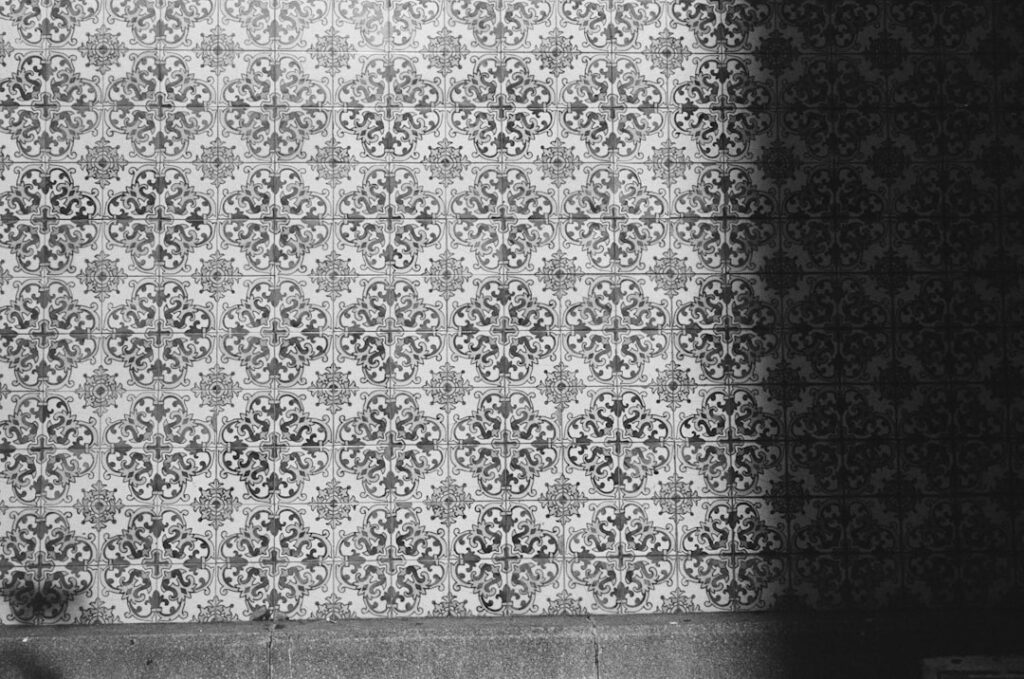
- Portuguese Azulejo: Blue and white tin-glazed ceramic tiles with intricate scenes and patterns. Used extensively in Portuguese architecture since the 15th century.
- Italian Majolica: Ornate Renaissance-inspired patterns from Italian ceramic traditions.
- Moroccan: Geometric arabesque patterns in rich jewel tones.
- Delft: Dutch blue-and-white tiles, often depicting windmills, ships, and floral motifs.
Best Applications
Hand-painted tiles are most commonly used as kitchen backsplashes, stair risers, decorative accents within larger tiled surfaces, and fireplace surrounds. Their cost and delicacy make them better suited for walls and low-traffic areas than for floors in most cases.
Patterned Ceramic and Porcelain Tiles
Modern manufacturing technology has made it possible to produce decor tiles with complex patterns using digital inkjet printing on ceramic and porcelain bodies. These tiles replicate the look of encaustic cement, hand-painted ceramics, and natural stone at a fraction of the cost.
Advantages
- Significantly less expensive than handmade alternatives
- Consistent sizing and thickness for easier installation
- Porcelain options are frost-proof, stain-resistant, and extremely durable
- No sealing required (unlike cement encaustic)
- Huge range of designs from every major tile manufacturer
Limitations
- The pattern is a surface print, not inlaid — deep chips will reveal the base material
- Lacks the depth and texture variation of genuine handmade tiles
- Can look repetitive if the same design repeats too frequently in a large area
For many homeowners, digitally printed patterned porcelain tiles offer the best balance of aesthetics, durability, and value. They are especially popular for bathroom floors, kitchen backsplashes, and accent walls. Learn more about tile options in our tile flooring guide.
Mosaic Decor Tiles
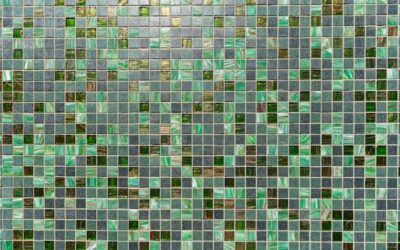
Mosaic tiles are small-format tiles — typically 1″x1″ or 2″x2″ — sold on mesh-backed sheets for efficient installation. Decorative mosaics come in glass, ceramic, porcelain, natural stone, metal, and mixed-material combinations.
Mosaic Styles
- Glass mosaic: Translucent and reflective, available in every color. Creates a shimmering effect on backsplashes and shower walls.
- Penny round: Small circular tiles that create a vintage look. Available in ceramic, porcelain, and glass.
- Hexagon mosaic: Small hexagonal tiles in marble, ceramic, or porcelain for a classic geometric look.
- Waterjet-cut patterns: Computer-cut stone and glass pieces assembled into intricate medallions and borders.
- Mixed material: Sheets combining glass, stone, and metal pieces for textured, dimensional backsplashes.
Zellige Tiles
Zellige (also spelled zellij) tiles are Moroccan handmade glazed terracotta tiles known for their irregular surfaces, subtle color variations, and rich jewel-tone glazes. Each tile is hand-cut and hand-glazed, creating a surface with unique depth and character that machine-made tiles cannot replicate.
- Typically 4″x4″ square format, though other shapes and sizes exist
- Irregular edges and thickness variations are part of the aesthetic
- Popular colors: white, terracotta, green, blue, and black
- Widely used for kitchen backsplashes, bathroom walls, and fireplace surrounds
- Price range: $10 – $30+ per square foot
Where to Use Decor Tiles
Decor tiles create the strongest impact when used strategically rather than covering every surface.
Kitchen Backsplash
The kitchen backsplash is the most popular location for decorative tiles. Because the area is relatively small (typically 15-30 square feet), you can afford premium tiles that would be cost-prohibitive for an entire floor. Patterned cement tiles, hand-painted ceramics, and zellige tiles all shine in this application.
Bathroom Feature Wall
A single wall behind the vanity or inside the shower becomes a focal point when clad in decorative tile. Combine patterned tiles with neutral field tiles on the remaining walls to avoid visual overload.
Entryway Floor
Patterned floor tiles in an entryway create a memorable first impression. Encaustic cement tiles and patterned porcelain are the most practical choices for this high-traffic area.
Stair Risers
Using decorative tiles on stair risers is a classic design move borrowed from Mediterranean and Mexican architecture. Because risers do not receive foot traffic, even delicate hand-painted tiles work well here.
Accent Walls in Living Spaces
Decorative tiles are not just for kitchens and bathrooms. A tiled accent wall behind a fireplace, media center, or dining buffet adds texture and pattern without the maintenance concerns of wallpaper.
Fireplace Surround
The area around a fireplace is a natural showcase for decorative tiles. Handmade tiles, zellige, and art tiles bring warmth and craftsmanship to a room’s focal point.
How to Mix Patterns Successfully
Mixing different decorative tiles can create a stunning result or a visual disaster. Follow these principles to get it right.
The 60-30-10 Rule
Use 60% neutral or plain tiles, 30% a primary pattern, and 10% a bold accent. This ratio ensures the eye has a place to rest while still appreciating the decorative elements.
Stick to a Color Palette
When mixing patterns, limit your color palette to three or four colors. Patterns can vary, but color consistency ties the design together. A blue-and-white scheme, for example, can include geometric encaustic, hand-painted florals, and solid glazed tiles in different shades of blue without clashing.
Vary Scale
Mix large-format patterned tiles with small-format mosaics or plain tiles. Pairing patterns of the same scale creates visual competition. Different scales give each pattern its own space.
Use Borders and Transitions
Solid-color border tiles or pencil liner tiles create clean transitions between different patterns. They frame each section and prevent the design from feeling chaotic.
Top Decor Tile Brands
Here are some of the most respected brands for decor tiles across different categories.
| Brand | Specialty | Price Range |
|---|---|---|
| Cement Tile Shop | Encaustic cement tiles | $8 – $18/sq ft |
| Cle Tile | Zellige and cement tiles | $12 – $35/sq ft |
| Granada Tile | Custom encaustic patterns | $10 – $20/sq ft |
| Fireclay Tile | Handmade ceramic and glass | $15 – $40/sq ft |
| Merola Tile | Patterned porcelain (affordable) | $4 – $10/sq ft |
| Emser Tile | Wide decorative range | $5 – $15/sq ft |
| Daltile | Printed porcelain patterns | $3 – $12/sq ft |
| Tabarka Studio | French terracotta and stone | $20 – $50/sq ft |
Decor Tile Pricing Guide
Decor tiles span an enormous price range, from budget-friendly printed porcelain to artisan pieces that cost more per square foot than natural marble.
Budget ($3 – $10 per sq ft)
Digitally printed ceramic and porcelain tiles that replicate the look of encaustic, hand-painted, or patterned tiles. Brands like Merola, Daltile, and MSI offer dozens of designs in this range. Best for large areas where handmade tiles would be cost-prohibitive.
Mid-Range ($10 – $25 per sq ft)
Genuine encaustic cement tiles, entry-level zellige, quality glass mosaics, and higher-end printed porcelain with realistic textures. This range offers the best balance of authenticity and affordability for most homeowners.
Premium ($25 – $50+ per sq ft)
Artisan hand-painted tiles, premium zellige, custom waterjet-cut stone mosaics, and designer collaborations. Best reserved for small feature areas like backsplashes, niches, and stair risers where the cost per square foot is offset by the small quantity needed.
Installation Considerations
Installing decor tiles requires extra care compared to standard field tile.
Layout Planning
Dry-lay the entire pattern on the floor before mixing any thinset. This is especially important for encaustic and hand-painted tiles where color and pattern variations between tiles need to be distributed evenly. Pull tiles from multiple boxes to mix the variation.
Cement Tile Preparation
Cement encaustic tiles must be sealed before grouting. If grout contacts the unsealed cement surface, it will permanently stain the tile. Apply a penetrating sealer, let it cure, then grout. Apply a second seal coat after grouting.
Grout Selection
Grout color significantly affects how decorative tile patterns read. White grout emphasizes individual tiles and the grid pattern. Matching grout minimizes grid lines and lets the pattern flow across the surface. Dark grout creates a bold frame around each tile. Test grout color on a sample before committing.
Irregular Tile Handling
Handmade tiles like zellige have irregular edges and varying thicknesses. Installers must use a thicker mortar bed and adjust individual tiles to create a relatively level surface while preserving the handmade character. This installation takes significantly more time and skill than standard tile, so hire an experienced installer.
For general tile installation guidance, visit our tile flooring resource.
Care and Maintenance
Maintenance varies by tile type.
Glazed Ceramic and Porcelain
Virtually maintenance-free. Wipe with a damp cloth or neutral pH cleaner. No sealing required. The glazed surface resists stains and moisture.
Cement Encaustic Tiles
Require periodic resealing (every 1-3 years depending on traffic). Clean with pH-neutral products only — avoid vinegar, citrus cleaners, and anything acidic, which will etch the cement surface. Blot spills promptly.
Zellige Tiles
Seal with a penetrating sealer after installation. The crazing (fine surface crackle) is intentional and part of the aesthetic but can trap dirt if not sealed. Clean gently and reseal annually in wet areas.
Glass Mosaic
Easy to clean and naturally resistant to stains. Maintain grout lines with periodic sealing if using cementitious grout. Epoxy grout eliminates grout maintenance entirely.
Frequently Asked Questions
Are decor tiles suitable for floors?
Encaustic cement tiles and patterned porcelain tiles are excellent for floors. Hand-painted ceramic and zellige tiles are better suited for walls and backsplashes due to durability concerns. Always check the manufacturer’s rating for floor use.
How do I choose a pattern that will not look dated?
Classic geometric patterns, simple two-color schemes (especially blue-and-white or black-and-white), and traditional encaustic designs have remained popular for over a century. Avoid overly trendy color combinations and choose patterns with historical roots for lasting appeal.
Can I mix decor tiles from different brands?
Yes, but check that the tile thickness, size, and material type are compatible. Mixing a 10mm encaustic tile with a 7mm porcelain tile on the same surface creates leveling challenges. Use transitions or borders to separate different tile types.
How much extra decor tile should I order?
Order 15-20% extra for handmade tiles (higher waste due to irregular sizing) and 10-15% extra for machine-made patterned tiles. Keep leftover tiles for future repairs, as specific patterns may be discontinued.
Do patterned porcelain tiles look as good as real encaustic?
From a distance, high-quality patterned porcelain is convincing. Up close, the depth and texture of genuine encaustic cement tiles is noticeably richer. For backsplashes and close-viewing areas, consider authentic materials. For large floor areas, patterned porcelain delivers excellent value.
What grout width works best with decorative tiles?
Most decorative tiles look best with narrow grout lines (1/16″ to 1/8″). Handmade tiles with irregular edges need wider joints (1/8″ to 3/16″) to accommodate size variation. Your tile retailer can recommend the ideal spacing for your specific tiles.
Prefer to explore on your own?
See how new flooring looks in your actual room in seconds — free, no signup.
Try the free Floor Studio →