
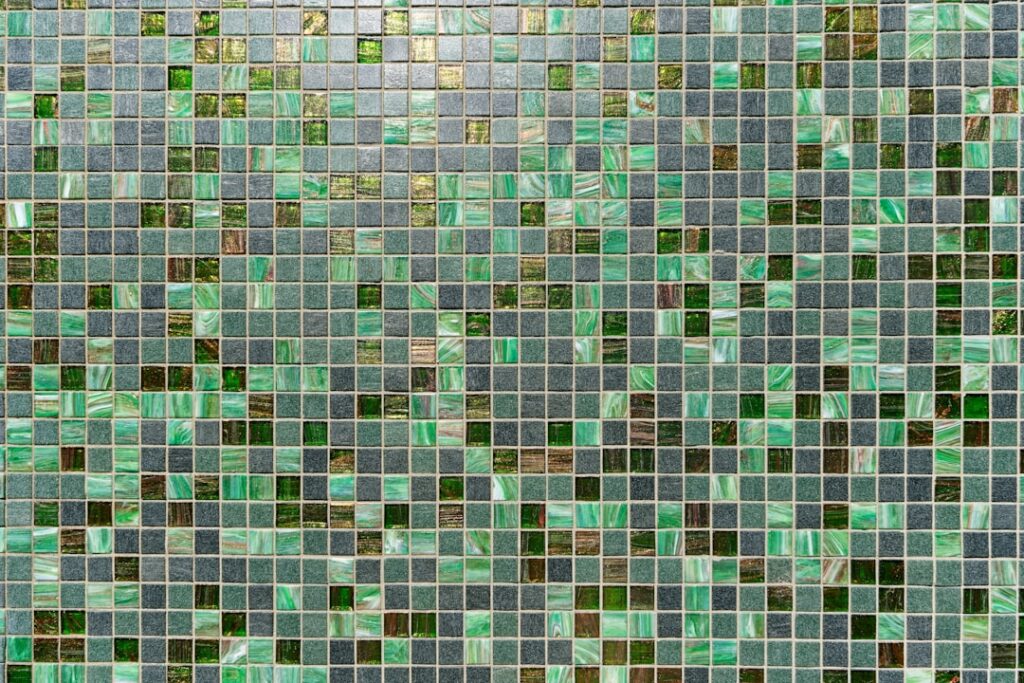
If you want a surface that practically glows, glass is hard to beat, and green is having a real moment in kitchens and baths. Green glass tile brings color, light, and a sense of depth to a space in a way that few other materials can match. Light passes into the glass and reflects back, so the color shifts gently as you move through the room and the lighting changes. From spa-like sage to vivid emerald, the green family pairs beautifully with both warm woods and crisp whites. Here is what you need to know before you buy.
Why Glass Tile Stands Out
Glass is fundamentally different from ceramic or stone. Because it is translucent, it interacts with light instead of just sitting flat against it. That gives glass tile a luminous, jewel-like quality, especially in greens, where the color reads fresh and natural. Glass is also non-porous, so it does not absorb water, stains, or odors, which makes it a hygienic, low-maintenance choice for wet and food-prep areas. The reflective surface bounces light around, which can make a small or dim room feel brighter and more open.
Shades and Styles of Green
Green spans an enormous range, and the shade you choose sets the mood of the whole room:
- Sage and soft mint: Calm, organic, and spa-like, perfect for a serene bathroom or a soft kitchen backsplash.
- Emerald and forest: Rich and dramatic, these deep tones create a luxurious, saturated focal point.
- Sea glass and aqua-green: Coastal and relaxed, often with a frosted or variegated look that mimics tumbled beach glass.
- Olive and moss: Earthy, warm-leaning greens that pair naturally with brass fixtures and wood tones.
Finishes matter just as much as color. Glossy glass is bright and reflective, frosted glass is soft and matte, and iridescent glass shifts through multiple hues as the light moves. Mixing finishes within a single installation can add wonderful texture and depth.
Formats and Shapes
Green glass comes in nearly every format you can imagine. Small mosaic sheets mounted on mesh are the most popular for backsplashes because they are easy to handle and conform to outlets and corners. Subway-style glass tiles give a clean, classic line. Larger field tiles, penny rounds, fish-scale, and elongated hexagons each create a distinct personality. Mosaics also let you blend several greens, or greens with neutrals and metallics, for a custom blended look.
Best Places to Use It
Glass tile is most at home on walls and backsplashes rather than floors. Common applications include:
- Kitchen backsplashes, where it cleans easily and catches the light.
- Bathroom walls, shower surrounds, and niches, taking full advantage of glass’s water resistance.
- Accent strips and feature walls that draw the eye.
- Pool and spa surfaces, where glass is prized for its durability and color underwater.
Most glass tile is not rated for floors because it can be slippery and may scratch underfoot, so reserve it for vertical surfaces unless a specific product is rated for flooring.
Installation Considerations
Glass tile is more demanding to install than ceramic, and the details make or break the result. Because glass is translucent, the adhesive shows through, so you must use a white thinset specifically designed for glass; a gray mortar will muddy the color. Keep these points in mind:
- Start with a smooth, clean, flat substrate, since any imperfection or trowel ridge will telegraph through the glass.
- Use the white, glass-rated thinset and the trowel size the tile manufacturer recommends.
- Cut glass with a wet saw fitted with a glass blade to avoid chipping; nippers tend to shatter edges.
- Back-butter as needed and press tiles for full coverage, since voids behind translucent tile are visible.
- Let the mortar cure fully before grouting.
Given the precision involved, glass tile is a project where hiring an experienced tile setter often pays for itself, especially on a large or highly visible installation.
Grout and Color Choices
Grout color dramatically changes the final look. A matching green or pale grout lets the tiles blend into a smooth field, while a contrasting grout makes each tile pop and emphasizes the pattern. Many installers choose a non-sanded or specialized grout for glass, since sanded grout can scratch a glossy surface. Epoxy grout is a strong option here for its stain resistance and durability in wet areas, though it is trickier to apply. Confirm the right grout type with the tile manufacturer.
Pairing Green Glass With Other Materials
Green glass rarely stands alone, and what you pair it with determines whether the room feels fresh or chaotic. The color plays beautifully off natural materials and warm metals:
- Wood: Warm oak or walnut cabinetry grounds cool green tones and creates an inviting, organic balance.
- White and cream: Crisp counters and painted cabinets let a green backsplash become the star without competing.
- Brass and gold: Warm metal fixtures and hardware glow against green and add a touch of luxury.
- Black and matte finishes: A dramatic, modern contrast that makes emerald and forest greens look especially rich.
- Marble or stone counters: Veining picks up the green and ties the palette together.
As a rule, let the glass tile be the focal point and keep surrounding finishes calmer, so the luminous color has room to shine rather than fighting busy patterns nearby.
Cleaning and Maintenance
One of the joys of glass is how little upkeep it asks. Because it is non-porous, it never needs sealing, and it resists staining from food, soap, and water. Wipe it down with a soft cloth and a mild glass or all-purpose cleaner, then buff to a streak-free shine. Avoid abrasive pads and harsh, gritty scrubbers that could scratch the surface. In a shower, a quick squeegee after use keeps water spots and soap scum at bay and keeps the color looking vivid.
Is It Worth It?
For a surface that adds color, light, and lasting beauty, green glass tile delivers in a way few materials can. It costs more than basic ceramic and demands careful installation, but the luminous result and easy, seal-free maintenance make it a favorite for backsplashes, showers, and accent walls. Choose a shade that suits the mood you want, pick a finish and grout that flatter it, and lean on a skilled installer for the tricky parts. The reward is a glowing, durable surface that keeps your room feeling fresh for years.
Prefer to explore on your own?
See how new flooring looks in your actual room in seconds — free, no signup.
Try the free Floor Studio →

