A green tile kitchen brings a fresh, nature-inspired warmth that feels both timeless and on-trend. From soft sage to deep emerald, green tile works beautifully on backsplashes, accent walls, and even floors, pairing effortlessly with wood, brass, white, and black. If you want to move beyond the safe white-and-gray kitchen without committing to a color that feels dated in a few years, green is a remarkably versatile choice. This guide walks you through the best shades, tile types, layouts, and pairings to create a kitchen you will love for years.
Part of our Kitchen Remodeling guide — explore the full guide →
Why Green Works So Well in Kitchens
Green has a natural affinity for the kitchen because it evokes freshness, growth, and the outdoors, the same associations we have with food and gardens. It is also surprisingly flexible: green reads as a near-neutral in many homes, coordinating with the wood tones of cabinetry and flooring as comfortably as a true neutral would. Where a bold red or blue can feel locked into a specific era, green spans styles from rustic farmhouse to sleek modern, which is why designers consider it a safe yet characterful color investment.
Choosing the Right Shade of Green
The shade you pick sets the entire mood of the room:
- Sage and soft green: Calm, muted, and easy to live with; pairs well with white, cream, and natural wood.
- Olive and moss: Warm, earthy tones that feel cozy and grounded.
- Emerald and forest: Rich, dramatic colors that make a bold statement, especially as an accent.
- Mint and seafoam: Light, retro-leaning shades that brighten a space with a vintage touch.
- Deep teal: A blue-green crossover that adds depth and sophistication.
Consider your kitchen’s light and size. Lighter greens keep small or north-facing kitchens feeling open, while deep emerald and forest tones add drama to larger, well-lit spaces or smaller accent areas.
Best Places to Use Green Tile
The backsplash is the most popular and lowest-risk spot for green tile, offering a generous splash of color that is easy to admire and relatively affordable to install. A full accent wall behind a range or open shelving makes a stronger statement. For the bold, green floor tile creates a striking foundation, particularly in patterned encaustic-look designs. You can also use green tile selectively, such as on an island wall or inside glass-front cabinets, to introduce color in measured doses. Decide how committed you are to the color before choosing how much surface to cover.
Tile Materials and Styles
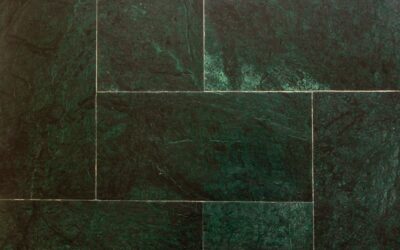
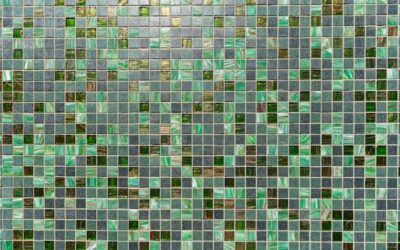
Green tile comes in many forms, each with a different feel. Glossy ceramic subway tile in green is a classic, affordable choice that reflects light and reads clean. Handmade or zellige-style tiles bring subtle color variation and an artisan, organic look that has surged in popularity. Porcelain offers durability for floors and high-use areas, while glass mosaics add shimmer to a backsplash. For a vintage or eclectic kitchen, patterned encaustic-look tiles featuring green create floors and accents full of character. Match the material to both your style and the demands of the surface.
Pairing Green with Other Elements
Green’s versatility shines in how easily it combines with other finishes:
- Wood cabinetry and floors: Natural wood and green are a harmonious, organic match.
- White cabinets and counters: Crisp white keeps a green backsplash feeling fresh and bright.
- Brass and gold hardware: Warm metals make green look rich and intentional.
- Black accents: Black faucets, frames, or grout add modern contrast and definition.
- Marble or quartz with veining: Light stone surfaces let green tile be the star.
For a cohesive look, pull your hardware and accent colors from the same warm or cool family as your chosen green.
Layout and Grout Choices
How you lay the tile and which grout you choose dramatically affect the final look. A classic horizontal subway layout feels traditional, while a vertical stack or herringbone pattern reads more contemporary. Grout color is a powerful tool: matching grout creates a seamless field of color, while contrasting grout, such as white grout with green tile, highlights each tile’s shape and adds graphic structure. For kitchens, a stain-resistant grout in a slightly darker tone helps hide the inevitable cooking splatters near the stove.
Cost Expectations
Green tile is priced like tile generally, driven by material rather than color. As a general estimate, ceramic subway tile runs roughly $3 to $10 per square foot, handmade zellige and specialty tiles climb to $15 to $50, and porcelain falls around $4 to $12. Professional installation typically adds $8 to $20 per square foot, with intricate patterns costing more. A standard backsplash project might land between $600 and $2,000 installed. Confirm current pricing locally, since artisan tiles in particular vary widely.
Care and Maintenance
Green tile is as easy to maintain as any quality kitchen tile. Wipe glazed ceramic, porcelain, and glass with a mild, non-abrasive cleaner to remove cooking grease and splatters. Keep grout lines clean with a soft brush, and seal grout and any natural or unglazed tile to resist stains. Handmade tiles with variation hide minor wear well, which is a practical bonus near a busy stove. With routine cleaning, a green tile kitchen keeps its fresh, vibrant look for many years.
Avoiding a Dated Look
One worry homeowners voice about colored tile is that it might feel dated in a few years, but a few choices keep a green kitchen timeless. Lean toward classic shapes and layouts, subway, square, or simple geometric tiles, rather than novelty patterns that pin the design to a specific moment. Muted, nature-derived greens like sage, olive, and forest age more gracefully than ultra-trendy neon or overly saturated shades. Keep the largest, hardest-to-change surfaces, such as cabinets and counters, in neutral tones so the green can be refreshed later through paint or accessories if your taste shifts.
It also helps to concentrate the color where it is easiest to update. A backsplash is far simpler and cheaper to replace than green floor tile or a fully tiled wall, so committing your boldest green there limits long-term risk. Balance the green with timeless materials, natural wood, white, and warm metals, that have stayed in style for decades. By treating green as a confident but considered accent rather than coating every surface in an of-the-moment shade, you get the personality and warmth you want while keeping the kitchen feeling current well into the future. Thoughtful restraint is the difference between a color that delights for years and one you tire of quickly.
A green tile kitchen offers a rare combination of color and longevity, bringing personality to the heart of your home without the risk of feeling trendy and dated. Choose a shade suited to your light and style, pair it thoughtfully with wood, white, or warm metals, and you will have a space that feels both fresh and enduring.
Prefer to explore on your own?
See how new flooring looks in your actual room in seconds — free, no signup.
Try the free Floor Studio →