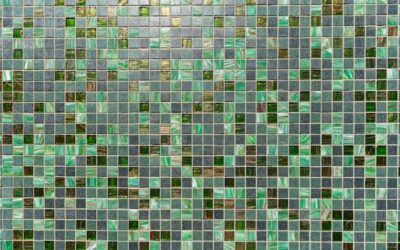
Forest, emerald, olive, and hunter shades have quietly become one of the most requested looks in kitchens and bathrooms, and for once the trend has staying power. Dark green tile reads as both luxurious and grounded, borrowing the calm of nature while delivering the drama of a saturated jewel tone. The catch is that deep colors are unforgiving of poor planning. Choose the wrong finish, lighting, or pairing and a rich green can turn flat or gloomy. This guide shows you how to use it so the color sings.
Part of our Tile & Grout guide — explore the full guide →
Why Dark Green Works So Well
Green sits between cool blues and warm yellows, which gives it a chameleon quality that few colors share. It feels fresh and organic yet sophisticated, equally at home in a moody powder room and a sunlit kitchen.
Deep greens also age gracefully. Unlike trend colors that date quickly, shades drawn from nature, the green of moss, pine, or sage, have a timeless quality that has appeared in homes for over a century. That longevity makes dark green a safer bet than its boldness suggests.
Choosing the Right Shade
Not all dark greens behave the same way under your lighting. The undertone determines the entire mood of the room.
- Emerald: bright and jewel-like, glamorous in a glossy finish
- Forest and hunter: deep and traditional, cozy and grounding
- Olive and sage-leaning darks: warm and earthy, easy to pair with naturals
- Teal-leaning greens: cool and modern, striking against brass
Test samples in your actual space at different times of day. North-facing rooms cool a green down and can make it feel somber, while warm artificial light pushes it toward olive. The same tile can look like two different colors depending on where it lives.
Finish Matters as Much as Color
The finish controls how the tile interacts with light, which is everything for a dark color. A glossy glaze makes deep green look wet, vibrant, and reflective, bouncing light around a small room so the dark color does not close it in. A matte finish, by contrast, mutes the green into something soft and contemporary.
For backsplashes and shower walls, gloss is the crowd favorite because it amplifies depth and is easy to wipe clean. For floors, a matte or honed finish provides slip resistance and a more understated look. Handmade and zellige-style tiles add subtle color variation and a glassy, uneven surface that catches light beautifully across a wall.
Best Places to Use It
Dark green earns its keep as a feature rather than an everywhere choice. Concentrate it where it can make a statement.
- Kitchen backsplash: a glossy green subway or zellige tile behind open shelving
- Bathroom walls: a full wall of green for a spa-like, enveloping feel
- Shower niches and accents: a band of green to break up neutral tile
- Powder room floors: dark green sets a jewel-box mood in a small space
- Fireplace surrounds: green tile against wood trim for a cozy focal point
In a small room, covering one full wall in dark green often looks more intentional and luxurious than scattering it as a thin accent stripe.
Colors That Pair Beautifully
Dark green is generous with its partners, which is part of why designers love it. The pairing you choose sets the entire personality of the room.
Brass and gold fixtures are the classic match, their warmth glowing against the cool depth of the tile. White grout and white cabinetry keep the look crisp and prevent the green from feeling heavy. For a warmer, organic scheme, pair green with natural wood, terracotta, and rattan. For high contrast and modern edge, set it against black hardware and matte black faucets. Even pink and blush tones work, lending a soft, unexpected sophistication.
Material Options
Dark green is available across nearly every tile material, and each brings a different look and price. Ceramic and porcelain offer the widest color range and the best value, with porcelain better suited to floors thanks to its density and water resistance.
For a more luxurious result, glass tile glows with depth and works wonderfully on backsplashes, while natural stone like green marble or serpentine brings unrepeatable veining at a higher cost and with more maintenance. Handmade zellige tiles deliver artisanal character and color variation, though their irregular edges call for a more skilled installer and wider grout lines.
Tile Shapes and Patterns
The shape of the tile changes the personality of a dark green installation as much as the color itself. The same emerald glaze reads classic in one format and modern in another.
- Subway tile: timeless and versatile, especially in a stacked or herringbone layout for a modern twist
- Square tile: clean and retro, charming in a small mosaic or a bold large format
- Hexagon: geometric and contemporary, eye-catching as a floor or accent
- Fish scale and arabesque: ornate, romantic shapes that turn green into a feature wall
- Penny round mosaic: playful texture that catches light beautifully in green
For a backsplash, a glossy green subway in a herringbone pattern feels current without trying too hard. For a powder room floor, a green hexagon mosaic makes a small space feel custom and considered.
Lighting a Dark Green Room
Dark colors absorb light, so lighting decisions matter more in a green-tiled room than in a pale one. Plan the lighting alongside the tile, not as an afterthought.
Layer your light sources so the room never feels cave-like. Combine overhead fixtures with task lighting and, where possible, natural light to keep the green looking rich rather than murky. Warm-toned bulbs around 2700K to 3000K bring out the cozy, earthy side of forest and olive greens, while cooler light sharpens emerald and teal tones. In a windowless powder room, a glossy tile finish helps enormously by bouncing the available light around. Position vanity lighting to wash the tiled wall rather than leaving it in shadow, and the green will glow instead of darkening the whole space.
Making It Last
A dark, saturated tile shows dust, water spots, and soap film more readily than a busy neutral, so plan for a little extra wiping. Glossy glazed surfaces clean easily with a damp cloth and a mild cleaner, while natural stone needs sealing and pH-neutral products to protect the finish.
Choose a grout color deliberately, since it frames every tile. White grout creates crisp definition, a matching dark grout makes the wall read as one seamless field, and a mid-gray strikes a balance. With the right shade, finish, and pairing, dark green tile delivers a rich, enduring look that feels both current and classic.
Prefer to explore on your own?
See how new flooring looks in your actual room in seconds — free, no signup.
Try the free Floor Studio →