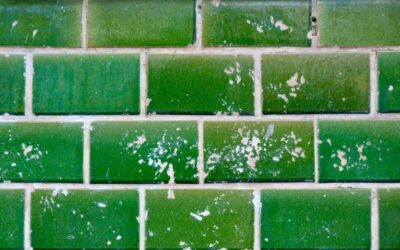
Green ceramic tile has moved from retro novelty to one of the most sought-after finishes in modern kitchens and bathrooms. From soft sage to deep forest, green brings the calm of nature indoors while reading as fresh, characterful, and far more interesting than another wall of white subway tile.
Part of our Tile & Grout guide — explore the full guide →
Green is also remarkably versatile. It works in vintage cottages and sleek contemporary spaces alike, and it pairs naturally with wood, brass, marble, and warm neutrals. Choosing the right shade and finish is what turns a trendy idea into a timeless one.
Why Green Is Having a Moment
After years of all-white interiors, homeowners are craving warmth and personality, and green delivers both without the risk of louder colors. It is soothing, grounded, and biophilic, tapping into our pull toward natural tones.
Green also flatters a wide range of materials. It looks rich against walnut cabinets, crisp beside white counters, and luxurious next to brass fixtures. Because it sits in the middle of the color wheel, it behaves as something close to a neutral, which keeps it from feeling dated as quickly as a bolder hue might.
Choosing Your Shade
Shade sets the entire mood, so consider the room before committing.
- Sage and celadon: Soft, muted, and calming. Excellent for bathrooms and for kitchens where you want subtle color rather than a statement.
- Olive and moss: Earthy and warm, pairing beautifully with wood tones and vintage styling.
- Emerald and forest: Deep and dramatic, perfect for a bold backsplash or accent wall, especially with metallic accents.
- Mint and seafoam: Bright and retro, a nod to mid-century baths that feels playful and fresh.
Test samples in your actual lighting. Greens shift dramatically between warm incandescent bulbs and cool daylight, and a tile that looks perfect in the showroom can turn gray or yellow at home.
Finishes and Tile Shapes
Finish changes the personality of the same color. Glossy green tile reflects light and feels lively and clean, ideal for brightening a backsplash. Matte green is understated and modern, hiding water spots well. Handmade or zellige-style tile, with its slight irregularity and color variation, brings artisanal depth and is especially popular in green.
Shape matters too. Classic subway tile keeps green grounded and familiar; hexagons and fish-scale tile lean decorative; large-format slabs read sleek and contemporary. Match the shape to the overall style you are building.
Best Places to Use It
Kitchen backsplashes are the most popular home for green ceramic tile, where a band of color livens up the space between counter and cabinets. Bathrooms come a close second, whether as a full shower surround, a wainscot, or an accent niche.
Because ceramic is durable and easy to wipe down, green tile also works as a fireplace surround, a mudroom wall, or a laundry-room accent. On floors, choose a tile specifically rated for floor use with adequate slip resistance, since many decorative green tiles are intended for walls only.
Pairing Green With Other Materials
Green is generous with companions. Warm metals like brass, gold, and bronze make emerald and forest tones feel luxurious. White and cream counters keep sage and mint feeling airy. Natural wood, from light oak to rich walnut, brings out green’s organic side.
For grout, a soft gray or greige usually flatters green better than stark white, which can look busy, or black, which can feel heavy unless you want a graphic, defined grid. A tone close to the tile creates a calm, cohesive surface.
Design Styles That Suit Green
Green ceramic tile adapts to nearly any aesthetic, which is a big part of its staying power. In a modern farmhouse, soft sage subway tile with light grout feels fresh and timeless. For a mid-century look, glossy mint or seafoam in a clean stacked layout nails the retro mood without feeling like a costume.
Contemporary kitchens lean on deep emerald or forest in large formats or glossy slabs for drama, while a cottage or English-inspired space welcomes the gentle irregularity of handmade zellige in olive or moss. Because green reads as a near-neutral, it rarely fights the rest of a room, letting you commit to it without worrying that it will date as quickly as a trendier color.
Choosing Between Wall and Floor Tile
Not all green ceramic tile is built for the same job, and confusing the two causes problems. Wall tile is thinner, lighter, and often more decorative, but it lacks the hardness and slip resistance needed underfoot. Floor tile is rated for traffic and abrasion and carries a slip-resistance rating you should check, especially for bathrooms.
If you love a particular green and want it on both the floor and the backsplash, look for a collection that offers coordinating wall and floor versions, or pick a single tile rated for both uses. The PEI rating, which measures surface wear, is your guide: PEI 1 and 2 suit walls and light use, while PEI 3 and above handle residential floors. Matching the tile to its location keeps the installation safe and durable for years.
What It Costs
Standard green ceramic tile runs roughly $3 to $10 per square foot. Handmade, zellige, and specialty glazed tiles climb to $15 to $40 per square foot because of the labor and variation involved. Installation typically adds $10 to $20 per square foot depending on pattern and surface.
For a modest backsplash of 20 to 30 square feet, even a premium artisan tile remains an attainable splurge, which is part of green tile’s appeal as a high-impact accent.
Cleaning and Maintenance
Glazed ceramic is naturally stain-resistant and easy to maintain. Wipe with a soft cloth and a pH-neutral cleaner; skip abrasive pads that can dull the glaze over time. The grout, not the tile, is where dirt collects, so seal cement grout after installation and clean it periodically to keep lines crisp.
Chosen thoughtfully, green ceramic tile gives you color with staying power, a finish that feels both of-the-moment and rooted in tradition, and a backsplash or bath you will still love years from now.
Prefer to explore on your own?
See how new flooring looks in your actual room in seconds — free, no signup.
Try the free Floor Studio →