
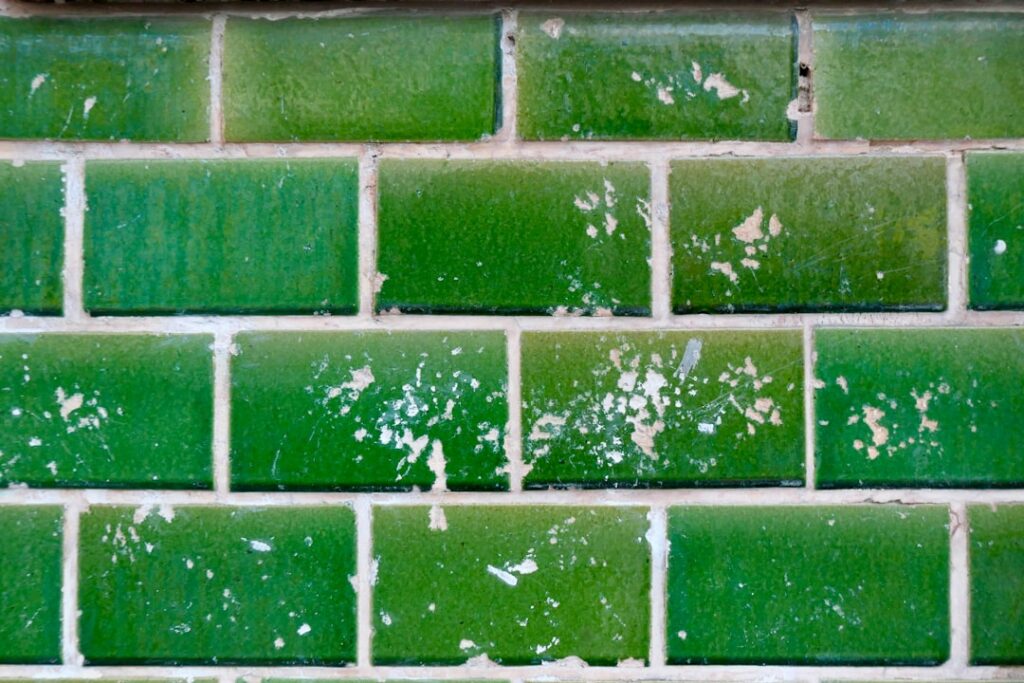
Green wall tile has surged in popularity as homeowners move away from all-white interiors toward color that feels fresh, natural, and calming. From deep forest tones in a moody powder room to soft sage in a sunny kitchen, green works in a remarkable range of spaces and styles. It connects a room to nature, pairs beautifully with warm metals and wood, and gives tile installations real personality.
Part of our Tile & Grout guide — explore the full guide →
This guide explores the shades of green to consider, the materials and shapes available, popular finishes, and practical advice for designing with green tile so your project looks intentional rather than dated. Whether you are tiling a backsplash, a shower, or a feature wall, green offers a versatile and timeless option.
Why Green Is Having a Moment
Green is the color of growth and the outdoors, which is part of why it feels so soothing indoors. As biophilic design, the idea of bringing nature into the home, has gained traction, green has become a natural choice for surfaces you live with every day.
Unlike trend colors that quickly feel tired, green reads as a near-neutral in many shades. Sage and olive especially behave like soft backdrops, while jewel tones like emerald make a confident statement. That flexibility means a green tile installation can feel both current and enduring, a rare combination in interior finishes.
Choosing the Right Shade
Green spans a huge spectrum, and the shade you pick sets the entire mood of the room. Consider how much natural light the space gets and the feeling you want to create.
- Sage and soft green: calm, airy, and easy to live with; great for kitchens and bathrooms.
- Olive and earthy green: warm and grounded, pairing well with wood and brass.
- Emerald and jewel tones: rich and dramatic for a luxe, statement look.
- Deep forest and hunter: moody and cozy, ideal for powder rooms and accent walls.
- Mint and seafoam: retro and playful, bright and energetic.
Darker greens make a small room feel intimate and dramatic, while lighter greens keep a space feeling open. Always view samples in your actual room, since light changes color dramatically throughout the day.
Tile Materials
Green tile comes in several materials, each with its own look, durability, and price point. The right material depends on where you are installing it and how much wear it will see.
Ceramic and porcelain are the workhorses: durable, easy to clean, and available in countless green glazes. Glass tile delivers luminous, reflective color that makes green feel especially vivid and works beautifully in backsplashes. Zellige and handmade tiles offer artisanal variation and a coveted, slightly irregular surface that reads as organic and high-end. Natural stone in green tones brings unique veining but requires sealing and gentler care. Match the material to the moisture and traffic of your space.
Shapes and Layouts
The shape of your tile and the pattern you lay it in matter as much as the color. The same green can feel classic or modern depending on the format.
- Subway tile: timeless and versatile, especially in a stacked or herringbone layout for a fresh twist.
- Square tiles: clean and retro, great for a grid look.
- Hexagons and arabesque: add geometric interest and a designer feel.
- Fish scale and scallop: playful, organic shapes that suit feature walls.
- Vertical stacking: draws the eye upward and feels contemporary.
Pair a bold shape with a subtle shade, or a simple shape with a saturated color, so the wall has interest without overwhelming the room.
Finishes and Sheen
Finish changes how green tile interacts with light. Glossy tiles reflect light, intensify color, and brighten a space, which makes them popular for backsplashes and shower walls. Matte tiles feel soft and modern, hide water spots better, and read more subdued. Handmade and zellige tiles often have a variegated, lightly glossy surface that shifts with the light, giving them a living, layered quality.
Glossy surfaces tend to be easier to wipe clean, while matte can be more forgiving of fingerprints and smudges. Think about both the look you want and the maintenance the room demands before committing to a sheen.
Designing With Green Tile
Green plays well with a wide range of partners, which is part of its appeal. To keep an installation looking cohesive, build the rest of the palette around your tile.
- White and cream: keeps green feeling fresh and clean.
- Warm wood tones: emphasize green’s natural, earthy side.
- Brass and gold hardware: a classic, elegant pairing with deeper greens.
- Black accents: sharpen and modernize the look.
- Soft pink or terracotta: for a bolder, more eclectic scheme.
Grout choice also matters. A matching green or neutral grout lets the tile read as a unified field, while a contrasting grout highlights the shape of each tile.
Best Rooms for Green Tile
Green wall tile suits more spaces than many homeowners realize. Knowing where it shines helps you decide where to use it in your own home.
- Kitchen backsplash: a fresh, lively backdrop that pairs beautifully with white or wood cabinetry.
- Bathroom and shower walls: calming color in a spa-like setting, especially in sage or seafoam.
- Powder room feature wall: deep forest or emerald creates a dramatic jewel-box effect in a small space.
- Laundry and mudroom: durable, easy-clean color that brightens a utilitarian room.
- Fireplace surround or accent wall: a bold focal point that anchors a living space.
Small spaces are actually ideal for experimenting with darker, richer greens, since you can commit to a bold shade without it overwhelming a large area.
How Much It Costs
Green wall tile spans a wide price range depending on the material and craftsmanship. As rough estimates, basic ceramic subway tile sits at the affordable end, porcelain and glass land in the middle, and handmade zellige or natural stone occupy the premium end. Treat any specific figure as an estimate, since price varies by brand, region, and retailer.
Remember to budget beyond the tile itself. Adhesive, grout, edge trim, waterproofing for wet areas, and labor all add to the total, and labor is often the largest line item. Specialty tiles like zellige can also require a more skilled installer, which raises the cost. Buying a little extra tile to account for cuts and future repairs is wise, since dye lots can vary and a discontinued tile is hard to match later.
Installation and Care
Most green wall tile installs like any other wall tile, but a few reminders help. Use the correct adhesive and grout for the material and the location, especially in wet areas like showers where waterproofing matters. For natural stone, follow sealing recommendations, and for delicate handmade tiles, work with an installer experienced in their quirks.
Day to day, clean glazed ceramic, porcelain, and glass with mild, non-abrasive cleaners. Avoid harsh chemicals on natural stone and use stone-safe products instead. With the right shade, material, and supporting palette, green wall tile can deliver a space that feels both timeless and full of life, a color choice you will still love years down the road.
Prefer to explore on your own?
See how new flooring looks in your actual room in seconds — free, no signup.
Try the free Floor Studio →

