Light green tile has quietly become one of the most requested colors in bathrooms and kitchens, and the reason is simple: it feels good to be around. Soft sage, sea glass, celadon, and muted mint carry all the restfulness of nature without the boldness of a deep emerald or the coldness of gray. These gentle greens read as fresh and soothing, which is exactly what people want in the rooms where they start and end their day. This guide covers how to use soft green tile, what to pair it with, and which finishes bring out its best.
Part of our Tile & Grout guide — explore the full guide →
- The Appeal of Soft Green
- Shades Within the Family
- How Light Green Affects a Room's Feel
- Best Rooms for Light Green
- Colors and Materials That Pair Well
- Why Soft Green Is Having a Moment
- Finishes That Bring It to Life
- Tile Shapes That Suit Soft Green
- Real Design Schemes to Copy
- Caring for Light Green Tile
- Keeping It Timeless
The Appeal of Soft Green
Green is the color our eyes process most easily, and pale, desaturated greens in particular have a calming, restorative quality. They evoke gardens, sea glass, and morning light. Unlike a saturated jewel tone that demands attention, a light green recedes gently and makes a space feel serene and open. That makes it a rare thing in bold color: a hue you can put on a large surface without tiring of it, because it soothes rather than shouts.
Soft green also flatters. It brings a subtle warmth to a room and casts a flattering light, which is part of why it has become a favorite for bathrooms and vanities.
Shades Within the Family
Light green covers a surprising range, and the exact shade sets the mood. Knowing the differences helps you choose.
- Sage: a soft gray-green that reads sophisticated and endlessly versatile; the most popular choice.
- Celadon: a pale, slightly blue-green with a porcelain elegance and a vintage feel.
- Sea glass: a translucent blue-green that feels coastal and airy.
- Mint: a fresher, cooler green with a retro streak, cheerful in the right space.
- Pistachio: a warmer yellow-green that feels sunny and organic.
How Light Green Affects a Room’s Feel
Beyond looks, soft green changes how a space feels to be in. Because pale greens reflect a good amount of light, they keep a room feeling open and airy rather than closing it in the way a dark color would, which makes them a smart choice for smaller bathrooms and kitchens. The color’s association with the outdoors brings a subtle biophilic lift, the same sense of ease you get from being around plants and gardens. In a north-facing room with cooler light, a warmer sage or pistachio adds a touch of warmth, while in a bright, sunny space a cooler sea glass or celadon stays crisp and fresh. Matching the green’s temperature to the room’s light is the quiet trick that makes the color sing.
Best Rooms for Light Green
The bathroom is where soft green truly shines. A sage or sea-glass shower surround turns an ordinary bathroom into a spa retreat, and the color’s calming quality is exactly right for a space built around relaxation. Kitchens welcome light green as a backsplash or on a tiled island, where it pairs beautifully with wood and white for a fresh, garden-inspired feel. Laundry rooms, mudrooms, and sunrooms all benefit from the outdoor, restorative mood soft green brings indoors.
Colors and Materials That Pair Well
Light green is remarkably easy to pair because it borrows its palette from nature, where nothing clashes. A few combinations stand out.
- Warm woods: oak, walnut, and rattan pick up green’s organic warmth for a biophilic, grounded look.
- Creamy whites: off-white and ivory keep the palette soft and let the green feel light and airy.
- Brass and gold fixtures: warm metals against soft green read elegant and current.
- Marble and natural stone: white marble with subtle veining complements green’s quiet sophistication.
- Terracotta and clay: for a warmer, earthier scheme, pair sage with terracotta accents.
Why Soft Green Is Having a Moment
Light green’s rise is no accident. As homeowners have moved away from the all-gray interiors that dominated the last decade, they have reached for colors that feel warmer and more connected to nature, and soft green sits at the center of that shift. It reads as fresh without being loud, adds color without the commitment of a bold jewel tone, and pairs effortlessly with the warm woods and brass that define current design. Sage in particular has become a near-neutral, versatile enough to anchor a whole room yet gentle enough never to overwhelm. That balance of freshness and calm is why it keeps showing up in kitchens and baths.
Finishes That Bring It to Life
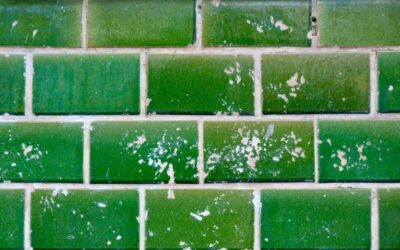
The finish changes soft green as much as the shade does. A handmade zellige in a light green delivers gentle color variation and a glossy, undulating surface that catches light and gives the wall depth and movement. A matte finish reads calm, modern, and understated. A glossy flat tile bounces light and feels crisp and clean. For a soft green, many designers favor the variation of zellige or a subtle matte, since both enhance the organic, natural quality that makes the color so appealing.
Grout should stay quiet. A tone-matched green or a soft greige grout keeps the surface serene, while a stark white or dark grout fights the gentleness of the color.
Tile Shapes That Suit Soft Green
The shape of the tile shapes the mood as much as the color. Classic subway in a soft green reads clean and versatile, at home in nearly any style. Square tiles feel vintage and calm. Elongated hexagons and fish-scale or fan shapes lean contemporary and playful, giving a sage or sea-glass tile a modern edge. Handmade square zellige delivers the most organic, artisan look. For a permanent surface you want to love for years, a classic subway or square shape ages best, while trendier shapes suit an easily changed accent.
Real Design Schemes to Copy
A few ready-made combinations show soft green at its best. For a spa bathroom, pair sage green zellige walls with white marble-look counters, warm oak accents, and brass fixtures. For a fresh kitchen, run a sea-glass subway backsplash behind white shaker cabinets with butcher-block counters. For a cheerful laundry room, use a mint fish-scale tile with white trim and natural wood shelving. Each scheme leans on green’s natural warmth and pairs it with materials borrowed from the outdoors.
Caring for Light Green Tile
Soft green is forgiving to live with. It hides water spots and light soil better than stark white, and its muted tone does not show every fingerprint. Routine care is the same as any glazed tile: wipe with a mild cleaner and keep the grout sealed. On a light green, a tone-matched grout stays looking fresh longer than white, which can gray over time. Avoid harsh abrasive cleaners that could dull a glossy glaze, and the calm color will hold its serene quality for years.
Keeping It Timeless
Because light green is soft and nature-derived, it ages gracefully in a way bolder colors do not. To keep a light green tile installation feeling fresh for years, pair it with natural, neutral materials rather than trend-driven accents, choose a classic tile shape like a square or subway for permanent surfaces, and let the color’s own calm do the work. Soft green is not a loud statement that will feel dated next season; it is a quiet, restorative backdrop that only grows more inviting the longer you live with it.
Prefer to explore on your own?
See how new flooring looks in your actual room in seconds — free, no signup.
Try the free Floor Studio →