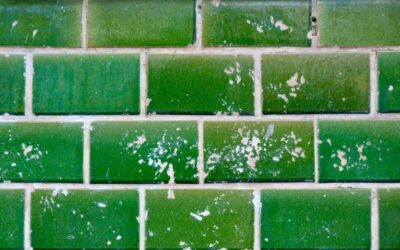
For years the safe kitchen countertop was white, then gray, and now homeowners are ready for color again. A green countertop hits the sweet spot: it feels fresh and current without shouting, and green happens to read as natural and calming, which is exactly what people want in the room where they spend the most time. Whether you lean toward a deep forest quartz, a speckled granite, or a budget-friendly laminate, green works with warm woods, brass, and even black hardware in ways that neutrals never quite manage.
Part of our Countertops guide — explore the full guide →
Why Green Is Having a Moment
Green borrows its appeal from the outdoors. It sits next to wood tones the way moss sits next to a tree trunk, so it looks grounded rather than trendy. Designers reach for it because it flatters both traditional and modern kitchens, and it photographs beautifully in natural light. The range is enormous, too. Sage and sea-glass tones keep a space bright and airy, while emerald and hunter green add drama and depth. That flexibility is why a green countertop rarely feels like a gamble once it is installed.
Material Options and What They Cost
Green comes in nearly every countertop material, and the choice drives both budget and upkeep:
- Engineered quartz — brands like Cambria and Silestone offer consistent green colorways. Installed cost runs $50 to $120 per square foot. Nonporous, no sealing.
- Granite — Ubatuba, Verde Butterfly, and Costa Esmeralda. Roughly $40 to $75 per square foot installed. Natural variation, needs annual sealing.
- Quartzite — rare green slabs, luminous and hard, $80 to $150 per square foot installed.
- Laminate — the budget path at $25 to $50 per square foot installed, with green solid colors and patterns available on demand.
- Solid surface — such as Corian, around $50 to $100 per square foot, seamless and repairable.
For a typical 40-square-foot kitchen, that spread means anywhere from about $1,000 for laminate to $6,000 for premium quartzite. Get three quotes and confirm what each includes.
Choosing the Right Shade of Green
The undertone matters more than the color name. Cool greens with blue in them, like sea glass or eucalyptus, brighten small kitchens and pair with white or gray cabinets. Warm greens with yellow undertones, like olive and sage, feel cozy and complement cream cabinetry and wood floors. Deep saturated greens, emerald and hunter, work best as a feature on an island or a bar, where the drama has room to breathe without overwhelming the whole room.
My advice: bring home a large sample and live with it for a few days. Look at it in morning light and under your evening kitchen lighting. Green is notoriously sensitive to lighting temperature, and a shade that looks perfect at the showroom under bright LEDs can turn muddy under warm 2700K bulbs at home.
Quartz Versus Granite for Green Kitchens
If you want a predictable, low-maintenance green, engineered quartz is the smart pick. The color is uniform, the surface is nonporous, and you never seal it. The tradeoff is that it can look slightly flat compared to natural stone, and it should not take direct heat above about 300°F without a trivet, since the resin can scorch or discolor.
Granite gives you genuine mineral depth and handles a hot pan straight off the burner, but each slab varies, and you will reseal roughly once a year. Neither is wrong. I tell clients who prioritize consistency and easy care to go quartz, and those who love natural character and cook hard to go granite.
Designing Around a Green Countertop
Green loves warm partners. Natural white oak, walnut, and hickory cabinets make a green top look custom and expensive. Painted cabinets in creamy off-white or a soft complementary sage keep things serene. For hardware, brass and antique bronze amplify the warmth, while matte black creates a crisp, contemporary edge.
Keep the backsplash calm so the counter stays the star. A simple white subway tile, a creamy handmade zellige, or a full slab backsplash in the same green all work. Wood or warm-toned tile floors ground the scheme, and a few brass or copper accents pull the whole palette together.
Care and Maintenance
Maintenance depends entirely on the material. Quartz and solid surface need nothing more than warm soapy water or a mild cleaner; avoid abrasive pads and harsh degreasers. Granite and quartzite need periodic sealing. Run the water test every few months, and if a puddle darkens the stone within 15 minutes, reseal with an impregnating product like Miracle Sealants 511. Wipe up acidic spills such as citrus, wine, and vinegar promptly on any stone surface. Laminate simply needs wiping down and protection from standing water at the seams and from hot pans, which will scorch it.
Matching the Material to Your Lifestyle
The smartest way to choose a green countertop is to start with how you actually live, not just how the sample looks. If you cook daily, spill often, and hate maintenance, engineered quartz in a green colorway is the practical winner: nonporous, stain-resistant, and never sealed. Just keep it off direct high heat and use a trivet for pans above about 300°F. If you sear on cast iron and want to set a hot pot straight down, natural granite or quartzite handles the thermal shock better and still looks stunning in green.
Households with young kids benefit from forgiving mid-tone and deeper greens that hide crumbs and fingerprints, paired with an eased edge that resists chipping and is gentler on hips and elbows. If you are renovating on a tight budget or updating a rental, a green laminate or solid surface gives you the color for a fraction of the cost, though laminate needs protection from standing water and hot pans. For a low-traffic bar, butler’s pantry, or baking station, you can indulge in a softer material like green marble or soapstone and enjoy the patina it develops.
Think about resale timing, too. If you plan to sell within a couple of years, a muted sage or classic hunter green reads as intentional and broadly appealing, while a vivid lime may narrow your buyer pool. Choosing the material and shade around your real routines and plans is what keeps a green countertop feeling like the right call years down the line.
Is a Green Countertop a Safe Long-Term Choice?
Some homeowners worry that color will date faster than neutrals. In practice, green has proven durable as a design choice because it echoes nature rather than a fleeting fad. If you are nervous about resale, choose a muted sage or a deep classic hunter rather than a neon lime, and keep your cabinets and floors in timeless tones. That way the green reads as intentional and sophisticated for years.
Ultimately, a green countertop is one of the easiest ways to give a kitchen personality without a full remodel. Pick the material that matches your budget and cooking habits, test your shade under real lighting, and pair it with warm woods and simple finishes. Done thoughtfully, it becomes the feature every guest comments on.