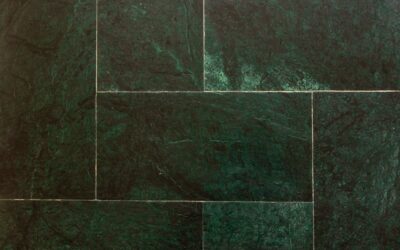
Few design choices transform a room as instantly as a wall of deep, saturated green. Emerald green tile has surged from a daring statement into a defining feature of modern kitchens, bathrooms, and backsplashes, bringing the richness of a jewel tone with the durability of ceramic or glass. The color reads luxurious and timeless rather than trendy, which is part of its appeal. This guide covers the materials and finishes available, the best places to use emerald tile, design pairings that make it sing, and practical tips for working with such a bold color.
Part of our Tile & Grout guide — explore the full guide →
Why Emerald Green Works So Well
Emerald sits in a sweet spot, dark enough to feel grounded and sophisticated, vivid enough to act as a focal point. Unlike a fleeting trend color, deep green has a classic, almost botanical quality that pairs naturally with brass, wood, marble, and natural light. It evokes the look of vintage glazed tile and emerald gemstones at once, which is why designers reach for it when they want a space to feel rich and intentional. In a glossy finish, the color catches light and shifts subtly through the day, giving the surface real depth.
Materials and Finishes
Emerald green comes in several tile materials, each with a different character.
- Glossy ceramic and porcelain: The most common, durable, easy to clean, and the glossy glaze makes the green luminous. Porcelain is the harder, more water-resistant choice for floors and wet areas.
- Glass tile: Translucent and reflective, glass gives emerald an almost liquid, glowing quality, especially as a backsplash.
- Zellige and handmade tile: Moroccan-style zellige in emerald has irregular, light-catching surfaces that add artisanal texture and subtle color variation across the wall.
- Matte and satin finishes: A softer, more muted take that reads modern and understated rather than glamorous.
Shape adds another dimension, classic subway, elongated rectangles, hexagons, fish-scale, and arabesque all change how the color presents.
Best Places to Use Emerald Green Tile
Because it’s a strong color, placement matters. A few applications consistently shine.
- Kitchen backsplash: A full emerald backsplash behind light or wood cabinets is a showstopper, and glossy tile bounces light around the work zone.
- Bathroom walls and showers: Emerald creates a spa-like, jewel-box feel, especially paired with brass fixtures and white or marble accents.
- Fireplace surrounds and accent walls: A surround in emerald tile becomes the centerpiece of a living room.
- Powder rooms: Small spaces are the perfect place to go bold, an emerald powder room feels intentional rather than overwhelming.
On floors, choose porcelain in a matte or satin finish for slip resistance, and reserve glossy emerald for walls where wear and traction aren’t concerns.
Design Pairings That Make It Sing
Emerald green is generous, it plays beautifully with a range of partners.
- Brass and gold: Warm metals against deep green is the signature combination, instantly luxurious.
- White and marble: Crisp white grout, white cabinets, or marble countertops let the emerald pop without competing.
- Natural wood: Walnut or oak warms the green and grounds it in an organic palette.
- Matte black: Black fixtures and hardware give emerald a modern, dramatic edge.
- Soft pink or blush: An unexpected, fashion-forward pairing for a powder room or a playful kitchen.
Grout: The Detail That Changes Everything
Grout color dramatically affects how emerald tile reads. White or light gray grout outlines each tile and emphasizes the pattern and shape, giving a crisp, graphic look that highlights subway or hexagon layouts. A grout matched closely to the emerald creates a seamless, immersive wall of color that feels modern and enveloping. For a backsplash with brass accents, a warm off-white or greige grout often bridges the two tones. Always seal cement-based grout to protect it from kitchen and bathroom moisture.
Tile Shapes and Layout Patterns
The shape and layout of emerald tile change its personality as much as the color itself. Classic subway tile in a running-bond or stacked layout reads clean and timeless, while the same tile in a herringbone pattern adds movement and a designer touch. Elongated rectangular tiles set vertically draw the eye upward and make a low backsplash feel taller. For a more distinctive look, hexagons bring a geometric, modern-vintage feel, fish-scale and scallop shapes lend an Art Deco or coastal vibe, and arabesque shapes create a soft, ornate pattern that suits powder rooms and feature walls. Zellige set in a slightly irregular grid celebrates the handmade variation in each piece. When planning a layout, think about scale: small mosaic emerald tiles cover a backsplash in shimmering detail, while large-format emerald slabs or big rectangles give a sleek, contemporary wall with minimal grout lines. Dry-lay a section before committing so you can see how the pattern and the color interact in your specific light.
Tips for Working With a Bold Color
Committing to emerald is easier with a few guardrails:
- Order a sample first. Greens shift dramatically with lighting, what looks emerald in the store can read teal or forest at home. View samples in your actual room light, day and night.
- Account for dye-lot variation. Handmade and glossy tiles vary between batches; order all your tile at once and mix from several boxes as you set, so variation distributes evenly.
- Balance the boldness. Let emerald be the star and keep surrounding finishes calmer, neutral counters, simple cabinetry, restrained hardware.
- Think long-term. Because emerald is timeless rather than trendy, it ages gracefully, but pair it with neutral fixtures you can update later if your taste shifts.
Emerald green tile is one of those choices that makes a room feel custom and considered, a jewel-tone surface that’s as durable as it is striking. Pick the right material and finish for the location, pair it with brass, white, or wood, and choose your grout deliberately. At D and G Floors we love guiding homeowners through a bold tile choice like this, because emerald, handled well, delivers a look that feels both daring and enduring. Start small if you’re unsure, a backsplash or a powder-room wall, and you’ll likely find yourself wishing you’d used the color somewhere else, too.
Prefer to explore on your own?
See how new flooring looks in your actual room in seconds — free, no signup.
Try the free Floor Studio →