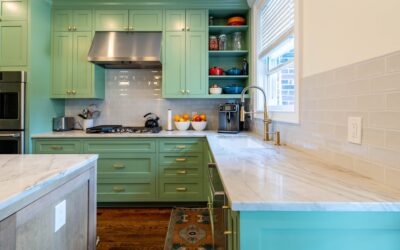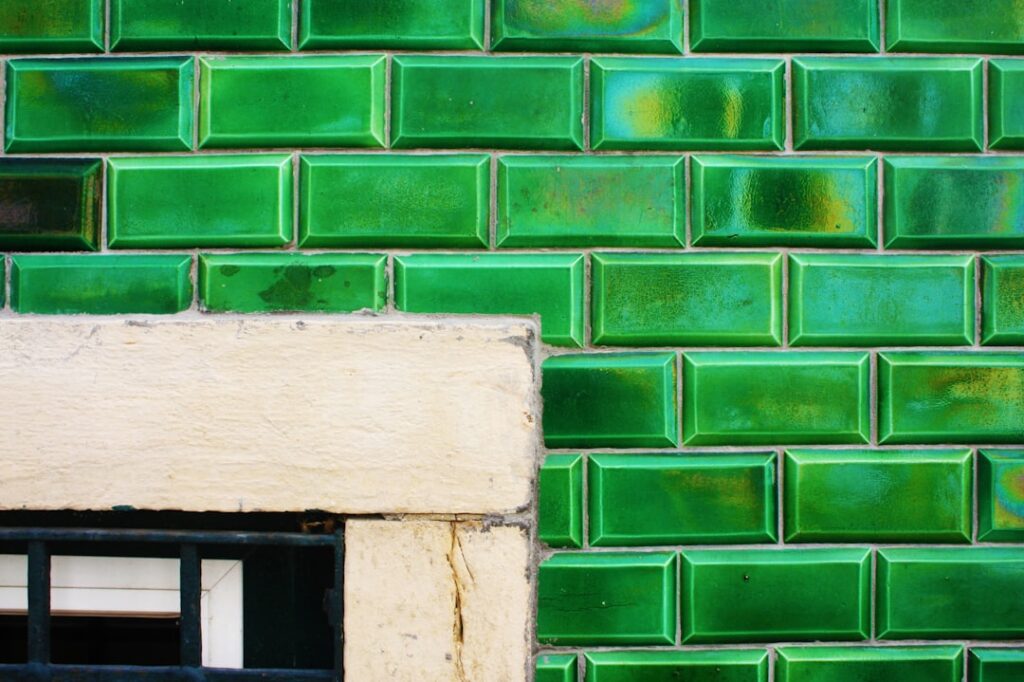
White subway tile had a good long run, but homeowners are hungry for color again, and nothing delivers drama quite like an emerald green tile backsplash. That deep, jewel-toned green reads as both classic and daring, pairing beautifully with brass hardware, walnut cabinets, and marble counters. It is the single most impactful way to give a kitchen personality without repainting a thing.
Part of our Kitchen Remodeling guide — explore the full guide →
Green is having a real moment, and emerald specifically hits the sweet spot between bold and timeless. Before you order, it helps to understand the shades, tile styles, and pairings that make this color sing rather than overwhelm.
Finding the Right Shade of Emerald
Emerald is not a single color. It ranges from a cool, blue-leaning forest green to a warmer, more saturated jewel tone. The shade you choose changes the entire mood of the kitchen, so it is worth ordering samples and viewing them in your actual light before committing.
- True emerald: rich, slightly blue, the most luxurious and dramatic.
- Forest and hunter green: deeper and moodier, great with dark cabinets.
- Sage-tinged emerald: softer and more muted for a calmer look.
- Jewel emerald with a glossy glaze: the boldest, reflects light like a gemstone.
Natural light pulls out the blue and cool tones, while warm kitchen bulbs push the green warmer and richer. A tile that looks perfect in the showroom can shift noticeably at home, so live with a sample on your wall for a day or two.
Tile Styles: Subway, Zellige, and Glossy
The tile shape and finish matter as much as the color. Each style gives emerald a completely different character.
Subway Tile
Classic 3×6 subway tile in emerald is the safe, versatile choice. It reads clean and timeless, works in traditional and modern kitchens alike, and is widely available and affordable. A glossy glaze gives it depth and makes the color pop.
Zellige Tile
Handmade Moroccan zellige is where emerald truly comes alive. Each tile has subtle color variation, uneven edges, and a glossy, imperfect glaze that catches light differently across the wall. The result is a rich, artisanal, one-of-a-kind surface. It costs more and installs slower, but the depth is unmatched.
Glossy and Specialty Shapes
Beyond subway and zellige, emerald shows up in glossy squares, elongated hexagons, fish-scale, and diamond shapes. A high-gloss glaze is almost always the move with emerald because the shine amplifies the jewel-tone effect and reflects your cabinet and counter colors back into the room.
Pairing With Cabinets and Counters
Emerald is a strong color, so its pairings need to complement rather than compete. The good news is that it plays beautifully with a wide range of palettes.
- White or cream cabinets: the emerald becomes a bold accent stripe, crisp and fresh.
- Natural wood cabinets: walnut, oak, and white oak warm up the green for an organic, high-end feel.
- Navy or black cabinets: moody and luxurious, a deep jewel-box kitchen.
- Brass and gold hardware: the classic emerald partner, warm metal against cool green.
For counters, white marble or a marble-look quartz with soft gray veining is the most popular pairing because the neutral stone lets the emerald be the star. Butcher block or warm wood counters lean cozy and organic, while a black soapstone-look counter goes full drama.
What It Costs
Cost depends heavily on the tile style. Standard glossy ceramic subway tile in emerald runs $4 to $12 per square foot. Handmade zellige is far pricier at $15 to $50 per square foot because each tile is individually crafted and shipped, often from Morocco.
A typical kitchen backsplash covers 30 to 40 square feet. With subway tile you might spend $150 to $500 on material for the whole backsplash, while zellige could run $600 to $2,000 for the same area. That is a wide range, so decide early whether you want the artisanal depth of handmade tile or the clean value of glazed ceramic, because it changes the budget dramatically. Add professional installation at $10 to $20 per square foot, and expect a total of $600 to $1,500 for subway or considerably more for a zellige feature wall.
Where to Use Emerald in the Kitchen
You do not have to tile every wall in emerald to make an impact. The most common approach is a full backsplash between the counters and upper cabinets, which frames the workspace in color while keeping the tile at eye level where it shows best. This works especially well with neutral cabinets that let the green pop.
For a bolder statement, run the emerald tile from counter to ceiling behind the range or in an open wall without uppers. A floor-to-ceiling emerald feature wall behind open shelving turns the backsplash into the room’s centerpiece. In smaller kitchens or if you want restraint, limit the emerald to the range wall alone and keep the rest neutral, letting the color read as a deliberate accent.
Lighting and How Emerald Reads
Emerald is a deep color, and light controls how it appears throughout the day. Under bright natural light it looks vivid and jewel-like, while in a dim kitchen it can go moody and almost black, especially in matte finishes. A glossy glaze fights this by bouncing available light back, keeping the color alive even in lower light.
Under-cabinet lighting is a game-changer with an emerald backsplash. A strip of warm LED light washing down over glossy green tile makes the glaze shimmer and reveals the depth of the color, turning the backsplash into a design feature after dark. If your kitchen leans dim, plan for both a glossy finish and good task lighting so the emerald never falls flat.
Emerald in Different Design Styles
Emerald green adapts to almost any kitchen style, shifting character with the details around it. In a traditional kitchen, glossy emerald subway tile with brass fixtures and white marble counters feels stately and classic. In a modern space, a stacked emerald tile with matte black hardware and clean-lined cabinets reads sleek and confident.
For a maximalist or eclectic kitchen, zellige emerald paired with patterned floors and open shelving of mixed ceramics feels collected and artful. English-country and cottage kitchens love emerald with natural wood, apron sinks, and unlacquered brass that patinas over time. The color’s depth means it never feels flat, so it flatters whichever direction you take the rest of the room.
Installation Tips
Backsplash tile is one of the more DIY-friendly tile projects because it is vertical, low-traffic, and small in area. Start with a clean, flat wall and snap a level line, since kitchen counters and cabinets are rarely perfectly straight and you want your tile courses level regardless.
- Dry-lay a section to plan cuts around outlets and the range.
- Use a white thinset or premixed adhesive so it does not tint a light grout.
- Set glossy tiles carefully, wiping haze off the shiny glaze before it dries.
- For zellige, embrace the irregular gaps and hand-set each tile individually.
- Grout, then seal if you used a cement-based grout.
Grout color is the final design decision. A matching green or soft gray grout keeps the emerald seamless and rich, while a bright white grout outlines each tile for a more graphic, defined look. For zellige, a tight, closely matched grout preserves that pooled, artisanal surface. Order samples and view them in your own kitchen light before committing, because emerald shifts noticeably between the showroom and your home. Get the shade, style, and pairings right, and an emerald green tile backsplash will be the detail everyone remembers about your kitchen, a jewel-tone anchor that makes even a modest kitchen feel designed and intentional.
Prefer to explore on your own?
See how new flooring looks in your actual room in seconds — free, no signup.
Try the free Floor Studio →