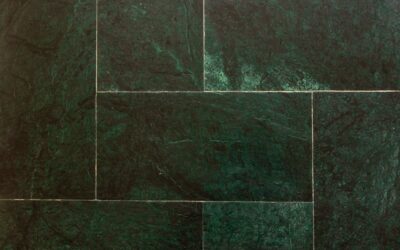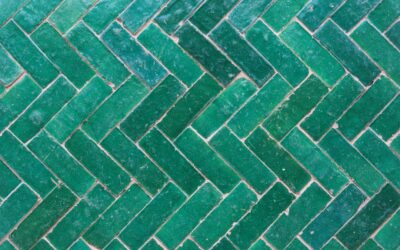
There is a reason designers keep reaching for emerald green glass tile when a project needs a jolt of richness. Glass carries color with a depth that ceramic and stone cannot match, because light passes into the tile, reflects off the back, and comes back to your eye saturated and glowing. In emerald, that translucency reads like a jewel: deep, cool, and slightly changeable as the light shifts through the day. I have set it as kitchen backsplashes, bar fronts, powder-room accent walls, and pool waterlines, and it consistently becomes the feature everyone comments on.
Part of our Tile & Grout guide — explore the full guide →
Glass tile is also its own discipline to install and maintain. It is unforgiving of a sloppy substrate, it needs the right adhesive and grout, and it shows every mistake behind the transparent body. This guide covers where emerald glass works best, the design combinations that flatter it, how it is installed and cared for, grout selection, and what you should expect to spend.
Why Emerald Green Glass Reads So Rich
The magic of emerald green glass tile is depth. In an opaque tile, you only see color reflected off the surface. In glass, light travels through the tile body and bounces back, so the emerald tone appears layered, almost liquid. That is why a glass backsplash looks like it has an interior glow that a matte ceramic in the same green simply cannot produce. The effect intensifies with gloss finishes and softens with frosted or matte glass, which trades some sparkle for a more muted, contemporary look.
Emerald sits in the cool-jewel family alongside sapphire and amethyst, and it pairs naturally with warm metals. The color also shifts with lighting: under warm incandescent bulbs it deepens toward forest, while cool daylight brings out its blue undertones. Because of this, I always ask clients to look at samples in the actual room, at different times of day, before committing. A green that looks perfect in the showroom can read differently against your cabinets and your window light.
Best Design Applications
The kitchen backsplash is the classic showcase. A wall of emerald glass behind white or cream cabinetry creates a crisp, high-contrast look, while against walnut or dark navy cabinets it feels moody and luxe. Subway-format glass in a 3 by 6 or a slim 2 by 8 gives a clean, current line, and a stacked vertical layout leans modern. In bathrooms, emerald glass makes a stunning shower accent band or a full feature wall behind a floating vanity, where the humidity and light make the color come alive.
Beyond walls, emerald glass mosaic is a favorite for pool and spa waterlines, fireplace surrounds, and bar or island fronts. Because glass is impervious to water, it is genuinely well suited to wet environments where some natural stones struggle. I do steer people away from using glass tile on floors in most cases, since standard wall-glass can be slippery and prone to scratching underfoot; if you want it on a floor, use only glass rated for floor traffic, and even then keep it to low-traffic accent areas.
Color Pairings That Work
Emerald loves metallic accents. Brass and gold fixtures against emerald glass produce that timeless jewel-box effect, while matte black hardware gives a sharper, more modern edge. For a softer scheme, pair emerald with warm neutrals: cream, camel, and natural oak let the green be the star without competing. For a bolder, maximalist room, emerald holds its own next to deep navy, blush, or even terracotta, though those combinations demand a confident hand.
Think about the surrounding surfaces too. A white quartz or Carrara-look countertop lets an emerald backsplash breathe, whereas a busy granite fights it. If the cabinetry is already a statement color, consider a more muted frosted emerald so the room does not feel frantic. The safest high-impact formula I return to again and again is emerald glass, warm brass, white or wood cabinets, and a clean light counter.
Installation Basics for Glass Tile
Glass is less forgiving than ceramic, and the substrate is everything. Because the tile is translucent, any trowel ridges, shadows, or discoloration in the adhesive can telegraph through the finished surface, so you must use a white, glass-rated thinset mortar rather than a standard gray. Spread it smooth, back-butter as needed, and flatten the ridges so no lines show through. A gray thinset behind clear emerald glass will muddy the color and ruin the effect.
Cutting glass requires the right tooling: a wet saw fitted with a glass-specific diamond blade, cutting slowly to avoid chipping the edges. Standard tile nippers will shatter glass, and a worn blade will chip it. Many emerald products come as mesh-backed mosaics, which speed installation but still demand careful alignment so the sheets do not reveal grid seams. Let the mortar cure fully before grouting, and never rush a glass job; the transparency that makes it beautiful also exposes every shortcut.
Choosing the Right Grout
Grout color changes the entire look of emerald glass. A matching dark or green-tinted grout makes the field read as one seamless sheet of color and hides the joints, which suits a modern, monolithic look. A contrasting light grout, by contrast, outlines every tile and emphasizes the pattern, giving a more graphic, traditional subway effect. Order a sample board or grout a small section first, because the difference between these two directions is dramatic.
For the grout type, I strongly favor epoxy grout with glass tile in wet areas. Epoxy is non-porous, stain-resistant, color-consistent, and does not need sealing, which matters because glass backsplashes and shower walls see moisture and food splatter. It is harder to work with and more expensive than cement grout, but it holds color and resists the discoloration that plagues cement joints. If you do use a cement-based grout, choose a quality unsanded product for narrow joints so the sand does not scratch the glossy glass surface, and seal it once cured.
Care and Cleaning
The good news is that emerald green glass tile is one of the easiest surfaces to maintain. Glass is non-porous, so it does not absorb stains, harbor bacteria, or require sealing the way natural stone does. For a backsplash, a spritz of glass cleaner or mild soapy water and a soft microfiber cloth keeps it streak-free and brilliant. Avoid abrasive pads and gritty scouring powders, which can dull or scratch the gloss over time.
In showers and pools, wipe down or squeegee periodically to prevent hard-water spotting and mineral film, which show more on dark reflective glass than on lighter surfaces. If you used epoxy grout, the joints stay clean with the same wipe-down; cement grout may need occasional dedicated grout cleaning and resealing. Overall, the low-maintenance nature is a real selling point, especially compared with the fussy care that marble or unglazed tile demands.
Cost and Buying Considerations
Glass tile sits at the mid-to-premium end. Expect emerald mosaics and subway formats to run roughly 15 to 50 dollars per square foot for the material, with handmade, thick, or artisan glass climbing well above that, and mass-market mesh mosaics landing at the lower end. Installation adds cost too, because the specialty thinset, careful cutting, and slower pace make glass more labor-intensive than a basic ceramic backsplash. Budget accordingly and get an installer who has done glass before.
When buying, order 10 to 15 percent overage for cuts and future repairs, and confirm all your tile comes from the same production lot, since dye variation between batches is visible on a saturated color like emerald. Ask whether the product is rated for your application, especially for pools or any floor use, and request a physical sample rather than trusting an online image, because screens rarely render this green accurately. Buy once from a good lot, install it on a flawless substrate, and emerald green glass tile will stay a glowing focal point for the life of the room.
Prefer to explore on your own?
See how new flooring looks in your actual room in seconds — free, no signup.
Try the free Floor Studio →