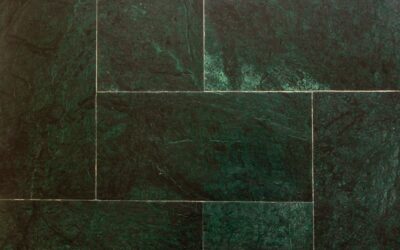
A green tile fireplace has quietly become one of the most sought-after focal points in modern interiors, and it is easy to see why. Green reads as both rich and calming, connecting a room to nature while giving a fireplace surround real personality that plain brick or beige stone can never match. From glossy emerald zellige that catches firelight to earthy matte sage in a stacked layout, green tile spans a huge range of moods. Whether you are building a new hearth or refacing a dated one, this guide covers the best green shades, tile styles, layout ideas, and the heat-safe material considerations that keep a beautiful fireplace safe and lasting.
Part of our Tile & Grout guide — explore the full guide →
Why Green Works So Well on a Fireplace
The fireplace is the natural anchor of a room, so it can carry a bolder color than the walls, and green delivers that impact without overwhelming. Because green sits between warm and cool on the color wheel, it plays beautifully off both the warm glow of a fire and the cool tones of surrounding decor. It pairs effortlessly with wood mantels, brass and black hardware, and natural materials, giving a layered, collected look.
Green also happens to be enjoying a strong design moment, showing up in everything from kitchen cabinets to velvet sofas. A green tile fireplace taps into that trend while remaining a timeless, nature-linked choice that will not feel dated the way a trendy accent color might. It works in traditional, modern, farmhouse, and eclectic rooms alike, which is a rare versatility for a statement color.
Choosing Your Shade of Green
Green covers an enormous spectrum, and the shade sets the entire tone of the room. Match the depth and undertone to the mood you want.
- Emerald and forest green: deep, saturated, and dramatic, perfect for a rich, moody living room or a jewel-box study. Stunning in a glossy glaze that reflects flame.
- Sage and muted green: soft, earthy, and calming, these lean organic and pair with warm neutrals for a serene, modern-farmhouse feel.
- Olive and moss: warm, complex greens that read almost as neutrals and blend with wood and terracotta tones beautifully.
- Teal and blue-green: cooler and more vibrant, ideal for a coastal or eclectic space that wants energy.
Consider the room’s light too. A north-facing room with cool light suits warmer olive and sage greens, while a sunny room can carry a cooler emerald or teal without feeling cold. As with any tile, view a full sample in the actual room and light before committing.
Tile Styles That Shine in Green
The tile format matters as much as the color, since texture and shape shape how the green catches light. A few styles are especially popular for fireplaces.
Zellige and handmade-look tiles are the current favorite, their slightly uneven, glossy surfaces creating gorgeous variation and depth as firelight moves across them. Each tile reflects a little differently, giving an organic, artisan quality that mass-produced tile lacks. Square and rectangular subway tiles offer a cleaner, more uniform look and can run vertically or in a herringbone for extra interest. Glossy glazed tiles amplify color and light for drama, while matte and satin finishes give a quieter, more contemporary feel. For texture lovers, three-dimensional or fluted green tile adds sculptural shadow lines that make the surround a true focal point.
Layout and Coverage Options
How much of the fireplace you tile changes the whole effect. A full floor-to-ceiling tile surround makes the greatest statement, drawing the eye up and turning the fireplace into a dramatic wall feature, ideal in rooms with tall ceilings. A more traditional approach tiles just the surround and hearth around the firebox, framed by a painted or wood mantel, which keeps the green as a contained accent.
Layout patterns add another layer of personality. A classic straight stack or grid feels clean and modern, a herringbone or chevron adds movement and a tailored look, and a vertical stack elongates the wall and feels current. For handmade zellige, a simple grid or offset brick layout lets the natural color variation be the star rather than competing with a busy pattern. Whatever you choose, plan the layout so cut tiles land in less visible spots and the pattern stays balanced around the firebox opening.
Heat-Safe Materials Matter
A fireplace surround has to handle heat, so material choice is not just aesthetic. Around a firebox, use tile rated for the application and follow the clearances the fireplace manufacturer and local code require between the opening and any combustible mantel or trim. Ceramic and porcelain tiles are well suited to fireplace surrounds because they are fired at high temperatures and tolerate heat well.
Natural stone and some glass tiles can also work but need appropriate installation, and glass in particular should be confirmed as suitable for the heat exposure at your specific surround. Use a heat-resistant thinset and grout rated for the location, especially close to the firebox where temperatures climb. If you have any doubt about clearances or a gas or wood-burning unit’s requirements, consult the appliance manual or a professional installer, since safety around a heat source is not the place to improvise.
Bringing the Look Together
Once the tile is set, the surrounding details make a green tile fireplace feel intentional and complete. A wood or painted mantel in a complementary tone grounds the color, and hardware or a fire screen in black or aged brass adds a crisp finishing accent. Repeat the green in small doses elsewhere in the room, a throw pillow, a plant, a piece of art, so the fireplace feels connected to the space rather than isolated.
Keep the surrounding walls and larger furniture in calm neutrals so the green tile stays the hero. Styled this way, a green tile fireplace becomes the warm, nature-inspired centerpiece that anchors the whole room and rewards you every time the fire is lit.
Cost and Installation Notes
Budget for a green tile fireplace depends heavily on the tile you choose and how much surface you cover. Handmade zellige and artisan tiles sit at the higher end, often running $15 to $40 or more per square foot for material, while standard ceramic and porcelain green tile can be found for a fraction of that. Installation labor typically adds $10 to $25 per square foot, with intricate patterns like herringbone and full floor-to-ceiling surrounds costing more than a simple grid on a modest surround. Because a fireplace face is a relatively small area, even premium tile stays affordable compared with tiling a whole floor or backsplash, which is part of why designers feel free to splurge here.
If you are refacing an existing brick or stone fireplace, tile can often be installed over a properly prepared surface with cement board and the correct thinset, avoiding a full tear-out. That said, respecting clearances around the firebox and choosing heat-rated materials is essential, so a professional install is money well spent on anything but the simplest surround. Done right, the green tile becomes a durable, easy-to-clean focal point that lifts the whole room for years.
Prefer to explore on your own?
See how new flooring looks in your actual room in seconds — free, no signup.
Try the free Floor Studio →