
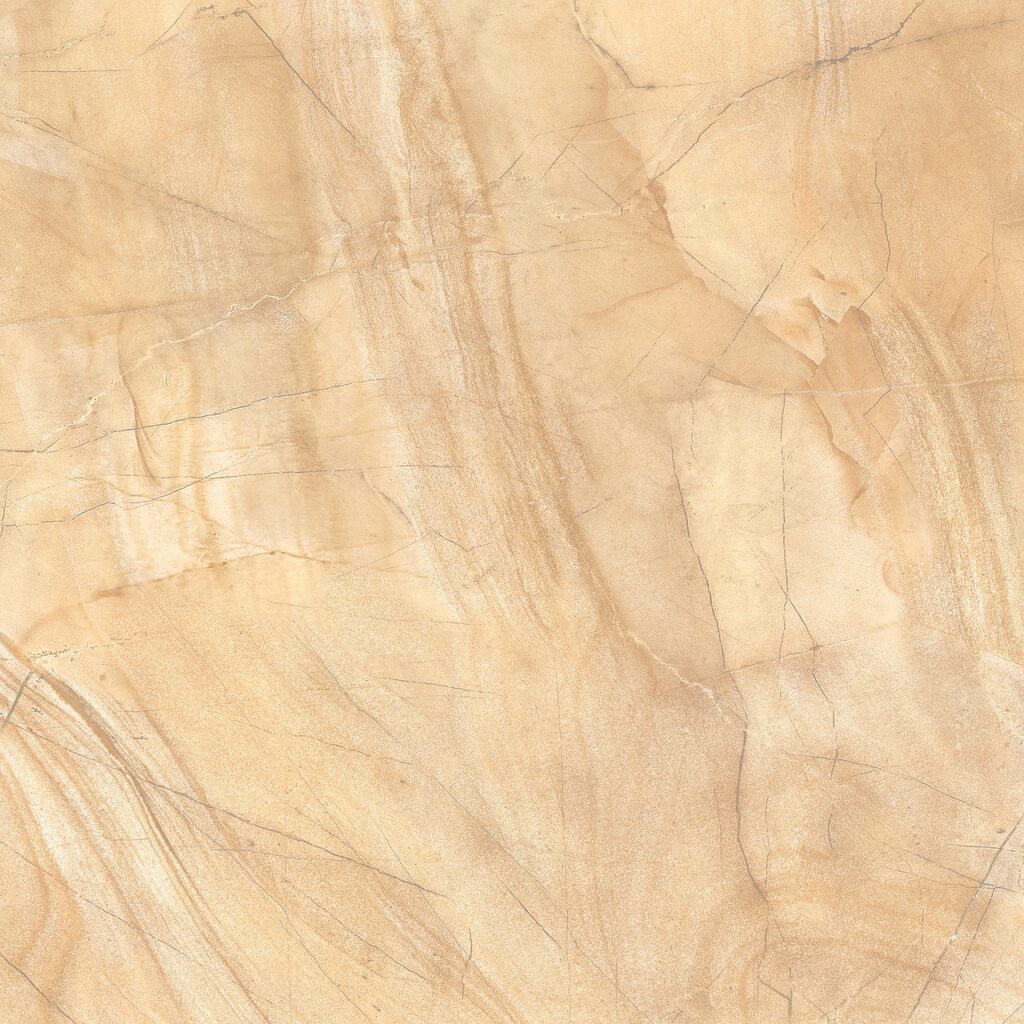
A stone tile fireplace turns a plain firebox into the focal point of an entire room, blending natural texture with the kind of permanence that drywall and paint can never match. Whether you are refacing a tired 1980s brick surround or building a feature wall from scratch, stone tile gives you the look of a full masonry fireplace at a fraction of the weight and cost. This guide walks you through the stone options, the heat-rated installation details that keep the project safe and code-compliant, realistic budgets, and the care routine that keeps the surface looking new for decades.
Part of our Tile & Grout guide — explore the full guide →
Why Stone Tile Works So Well on a Fireplace
Stone is one of the few finish materials that genuinely belongs near heat. Granite, marble, slate, travertine, and quartzite are all forged or compressed under heat and pressure, so moderate warmth from a firebox does not faze them the way it can warp vinyl or scorch paint. The tile format also solves the biggest drawback of full stone slabs, which is weight. A slab veneer or porcelain stone-look tile lets you cover a large surround without overloading the framing or hiring a mason to set hundreds of pounds of rock.
Beyond the practical side, stone reads as high quality the moment someone walks in. A honed limestone surround feels calm and architectural, while a stacked-ledger panel of split slate brings rugged depth and shadow lines. Because each piece carries unique veining and tone, no two stone tile fireplaces look exactly alike, which is a strong selling point in a market full of identical builder finishes.
Choosing the Right Stone
The stone you pick shapes both the look and the maintenance load. Here is how the popular choices compare for a fireplace application:
- Slate: Dark, dramatic, and naturally heat-tolerant. Often sold as stacked-stone ledger panels for a textured, no-grout-line appearance.
- Travertine and limestone: Warm beige and cream tones with a soft, classic feel. Porous, so they need sealing.
- Marble: Elegant veining for a refined surround, but it stains and etches easily, so keep it away from soot-heavy zones and seal it well.
- Granite and quartzite: The toughest of the bunch, highly heat- and scratch-resistant, ideal for hearths that take direct contact.
- Porcelain stone-look tile: Technically not natural stone, but it mimics the look, costs less, never needs sealing, and handles heat reliably.
For the hearth, where logs, tools, and embers actually land, lean toward a dense, durable stone like granite or a high-fired porcelain. Save softer, more decorative stones for the vertical surround where they will not take abuse.
Safety, Clearances, and Heat Ratings
This is the part you cannot shortcut. Fireplaces involve real fire, and finish materials have limits. Before you set a single tile, confirm the manufacturer’s required clearances for your fireplace or insert, and check your local building code. Manufactured fireplaces specify exactly how far combustible and non-combustible materials must sit from the firebox opening, and those numbers are not suggestions.
- Use non-combustible backing such as cement backerboard, not standard drywall, anywhere close to the firebox.
- Set tile with a thinset mortar rated for heat exposure; check the bag for use near fireplaces.
- Maintain the manufacturer’s clearance to the firebox opening and to any mantel, trim, or shelf above it.
- For wood-burning units, follow code for hearth extension dimensions so embers cannot reach the floor.
If you are dealing with a wood-burning firebox, a gas insert, or any electrical and gas connections, bring in a licensed professional for those components. A mason or qualified installer can confirm the assembly meets code, and a chimney sweep should inspect a working flue before you fire it up.
Surface Prep and Installation Overview
A lasting installation lives or dies on prep. If you are tiling over existing brick, the surface must be clean, sound, and flat enough to bond to; many installers skim brick with mortar or add backerboard to create a uniform plane. Over drywall away from the heat zone, you can tile directly, but anything near the firebox needs non-combustible backing.
- Clean the surface thoroughly to remove soot, dust, and any loose material.
- Establish a level layout line and dry-fit tiles to plan cuts and balance the pattern.
- Spread heat-rated thinset with the correct notched trowel and back-butter heavier stone pieces.
- Set tiles with consistent spacing, using levelers or wedges to keep faces flush.
- Let the mortar cure fully, then grout (or leave dry-stack ledger panels ungrouted per the product).
- Seal natural stone once the grout has cured.
Cutting stone produces silica dust, so wet-cut with a diamond blade when possible, wear eye protection, and use a respirator rated for fine dust. Work in a ventilated space.
What a Stone Tile Fireplace Costs
Costs swing widely based on the stone, the size of the surround, and whether you do the labor yourself. Treat these as rough estimates rather than quotes, since regional labor rates and stone availability move the numbers significantly.
- Porcelain stone-look tile: roughly $3 to $10 per square foot for material.
- Natural stone tile and slate ledger panels: roughly $7 to $25 per square foot for material, with premium marble running higher.
- Professional installation: often $10 to $30 per square foot in labor, more for intricate patterns or full floor-to-ceiling walls.
A typical surround and hearth refacing project lands somewhere in the low four figures when professionally installed, while a confident DIYer can cut that substantially. Budget extra for backerboard, heat-rated thinset, sealer, and a few spare tiles for future repairs.
Sealing and Long-Term Care
Natural stone is porous, and a fireplace throws off soot and the occasional spark, so sealing is your first line of defense. Apply a penetrating stone sealer after installation and reapply on the schedule the product recommends, typically every one to three years depending on traffic and stone type. Porcelain tile skips this step entirely.
For everyday cleaning, dust the surround and wipe it with a pH-neutral stone cleaner. Avoid vinegar, lemon, and other acidic cleaners on marble, limestone, and travertine, since acid etches and dulls the polish. Soot smudges usually lift with a damp microfiber cloth and a gentle cleaner; for stubborn buildup on rugged stone, a soft brush helps work it out of the texture.
Is a Stone Tile Fireplace Right for You?
If you want a high-impact upgrade that boosts both comfort and resale appeal, a stone tile fireplace is hard to beat. It suits nearly every style, from rustic cabin to modern minimalist, and the tile format keeps weight and cost manageable. The keys to a successful project are matching the stone to its job, respecting the manufacturer’s clearances and heat ratings, and sealing natural stone so it ages gracefully. Plan the layout carefully, lean on a professional for the firebox and any gas or electrical work, and you will end up with a centerpiece that earns its place for years to come.
Prefer to explore on your own?
See how new flooring looks in your actual room in seconds — free, no signup.
Try the free Floor Studio →

