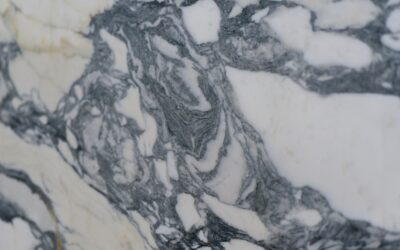
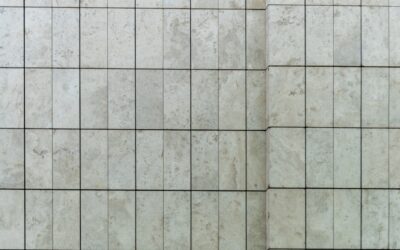
A bare drywall fireplace surround is the single biggest missed opportunity in most living rooms. Installing fireplace wall stone turns that flat, forgettable wall into the architectural anchor the whole room organizes around. The good news: you no longer need a mason and a month of work. Modern manufactured veneers weigh a fraction of full-bed stone and go up over a weekend. Here is exactly what you need to know before you start.
Natural Stone vs. Manufactured Veneer
Your first decision splits into two camps. Natural stone veneer is real rock sliced thin, typically 1 to 1.5 inches deep, running $15 to $30 per square foot for material alone. It has unmatched depth and color variation, but it is heavy at roughly 13 pounds per square foot and demands a sturdy substrate.
Manufactured stone veneer, molded from lightweight concrete and dyed to mimic ledgestone, fieldstone, or river rock, costs $8 to $15 per square foot and weighs about 7 pounds per square foot. For most interior fireplace walls, manufactured veneer is the smarter pick. It installs faster, costs less, and the better lines from companies like Eldorado Stone and ProVia are genuinely hard to distinguish from the real thing at viewing distance.
There is a third option worth knowing about: thin porcelain stone-look panels. These large-format sheets, often 24 by 48 inches, mimic stacked stone but install like tile and clean up with a simple wipe. They cost more upfront, around $12 to $20 per square foot, but cut labor dramatically because you are setting a handful of big panels instead of hundreds of individual stones. For a contemporary look on a tight timeline, they are worth a serious look.
Popular Stone Styles
- Stacked ledgestone — thin, linear pieces dry-stacked with no visible grout. The modern favorite.
- Fieldstone — rounded, irregular boulders set in mortar for a rustic farmhouse look.
- River rock — smooth, water-worn stones, great for cabin and lake-house interiors.
- Castle or cut limestone — squared, tailored blocks for a refined traditional surround.
- Stacked stone panels — pre-assembled mesh-backed sheets of small stones that speed installation considerably.
Stacked ledgestone in gray, charcoal, or warm tan dominates current builds because it reads contemporary and hides minor installation imperfections. If your home leans traditional, cut limestone with a defined grout line gives a more formal, tailored feel. Match the stone undertone to your existing trim and flooring rather than the wall paint, since paint is the easiest element to change later.
What It Costs Installed
Budget realistically. A standard floor-to-ceiling accent wall around a fireplace runs 40 to 80 square feet. With manufactured veneer at $10 per square foot plus mortar, lath, and trim, your material cost lands around $600 to $1,000. Hire a pro and labor adds $35 to $50 per square foot, pushing a finished wall to $2,500 to $4,500. Doing it yourself can cut that total by more than half.
Do not forget the supporting costs that catch first-timers off guard. Cement backer board runs about $12 to $15 per 3-by-5-foot sheet, a roll of galvanized metal lath is $15 to $25, and a bag of Type S mortar is $10 to $14. Corner pieces, which wrap the returns on a protruding fireplace, cost 25 to 40 percent more per linear foot than flat stones, so measure your outside corners carefully and order them separately. Most homeowners spend $150 to $250 on prep materials and consumables beyond the stone itself.
Prepping the Wall
Stone needs a solid mechanical bond, and drywall alone will not hold it. Over wood framing or drywall, fasten a layer of cement backer board, then staple galvanized metal lath over the entire surface. Brick or block walls only need a scratch coat. Always run a moisture barrier behind the lath on exterior-facing walls. Skipping the lath is the number-one cause of veneer failure I see on DIY jobs.
Before any of that, find your studs and mark them. Backer board screws need to bite into framing every 8 inches around the edges and 16 inches in the field. Check the wall for plumb with a 4-foot level; an out-of-square fireplace wall will throw off your stone courses and become obvious near the ceiling. If the wall bows more than a quarter inch over its height, shim the backer board to flatten it. Ten minutes of prep here saves hours of frustration later.
Installing the Veneer Step by Step
- Apply a scratch coat of Type S mortar over the lath, score it, and let it cure 24 hours.
- Dry-lay a section on the floor first to balance colors and sizes.
- Butter the back of each stone with a half-inch of mortar and press it onto the wall, starting at the bottom corners.
- Work upward, using corner pieces to wrap returns cleanly.
- Cut stones with an angle grinder and diamond blade where needed.
- For mortared looks, grout the joints with a bag and tool the lines after they firm up.
Work in horizontal courses and step back every few rows to check that you are not creating obvious color clumps or repeating patterns. Mix stones from several boxes at once, since dye lots vary subtly and pulling from one box at a time leaves visible bands. Wipe stray mortar off stone faces immediately with a dry brush, because cured mortar haze is miserable to remove without staining lighter stone.
Heat Clearances and Safety
Stone itself is fire-safe, but the mantel and any combustible trim are not. Most building codes require a wood mantel to sit at least 12 inches above the firebox opening, and farther if it projects out more than 1.5 inches. Gas inserts and wood-burning fireboxes have their own listed clearances printed on the unit. When in doubt, pull a permit and have an inspector sign off.
If you are stoning over a working masonry firebox, the area directly around the opening may need a noncombustible setting bed rather than backer board with a paper facing. Confirm your specific firebox rating before you start, and never mount a TV or heat-sensitive electronics in the warm pocket directly above an active wood-burning unit without checking surface temperatures during a full burn.
Sealing and Maintenance
Apply a breathable masonry sealer after the mortar fully cures, around 30 days. Sealer keeps soot from staining lighter stones and makes the occasional dusting easy. Beyond that, fireplace wall stone is nearly maintenance-free. Vacuum the surface with a brush attachment a couple times a year and wipe any soot near the firebox with a damp cloth. Done right, a stone wall outlives the house.
Avoid acidic cleaners on natural limestone and marble veneers, since vinegar and citrus etch the surface. For tougher soot stains, a paste of baking soda and water left for 15 minutes lifts most marks without harming the stone or sealer. Reseal lighter or porous stones every three to five years, or sooner if water stops beading on the surface.
Common Questions About Fireplace Wall Stone
Can I install stone directly over brick?
Yes. A clean, sound brick wall is an excellent substrate. Skip the backer board and lath, apply a scratch coat directly to the brick, and set your veneer once it cures. Just make sure the brick is free of loose mortar, paint, and efflorescence first.
How long does the project take?
A motivated DIYer can prep one day, set stone the next, and grout and clean up on the third. Pros often finish a single fireplace wall in one to two working days. Cure time between steps, not labor, is what stretches the calendar.
Does stone add resale value?
A well-executed stone fireplace is consistently cited by agents as a feature that helps homes show and sell. It will not single-handedly raise your appraisal, but it makes the room photograph better and feel more finished, which matters during showings.
Is It Worth It?
Few upgrades deliver the visual payoff of stone for the money. A weekend of work and under a thousand dollars in materials gives you a feature buyers remember and photographers love. Whether you choose dramatic charcoal ledgestone or soft limestone, fireplace wall stone is one of those rare projects that looks more expensive than it is.