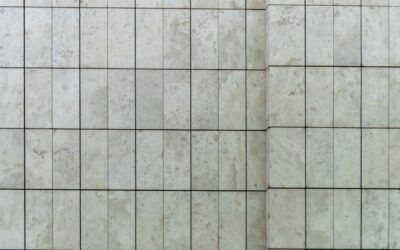
Nothing adds rugged, natural texture to a wall quite like stack stone tile, the layered stone paneling that has become a favorite for fireplace surrounds, accent walls, and outdoor facades. Made from thin strips of natural or manufactured stone assembled into interlocking panels, it delivers the dramatic dimensional look of a hand-laid stone wall with a fraction of the labor. Whether you want a cozy mountain-lodge fireplace or a sleek modern feature wall, this guide covers the types, costs, installation steps, and care that will help you get it right.
- What Is Stack Stone Tile
- Types of Stack Stone Tile
- Where to Use Stack Stone Tile
- How Much Does Stack Stone Tile Cost
- How to Install Stack Stone Tile
- Sealing and Maintenance
- Pros and Cons
- Natural Stone vs Manufactured Veneer
- Lighting a Stack Stone Wall
- Common Applications and Design Styles
- Indoor vs Outdoor Considerations
- Final Thoughts
What Is Stack Stone Tile
Stack stone, sometimes called stacked stone or ledgestone, consists of narrow strips of stone bonded together into panels, typically around 6 inches tall and 24 inches wide. Instead of setting individual stones one at a time, an installer sets the pre-assembled panels, which interlock to create a continuous, textured surface. The result mimics a dry-stacked stone wall, with layered horizontal courses and rich shadow lines. Panels come in natural stone such as quartzite, slate, and marble, as well as manufactured stone veneer that offers lighter weight and lower cost.
Types of Stack Stone Tile
There are several categories to choose from, each with distinct characteristics:
- Natural stone panels: Real quartzite, slate, or marble strips, prized for authentic color variation and durability.
- Manufactured stone veneer: Molded from concrete to mimic stone at lower weight and cost.
- Interlocking panels: Designed with staggered edges so seams between panels disappear.
- Flat versus dimensional: Flat panels sit nearly flush for a modern look, while dimensional or “3D” panels project outward for deep shadow and rugged texture.
Colors range from warm earth tones and rustic multicolor blends to cool grays, charcoals, and crisp whites for contemporary spaces.
Where to Use Stack Stone Tile
This material is almost always used vertically, as its texture is a wall feature rather than a floor surface. Popular applications include fireplace surrounds, living-room accent walls, kitchen island fronts, range hood surrounds, and entryway walls. Outdoors, it dresses up house facades, columns, retaining walls, and outdoor kitchen bases. Because the surface is textured and dimensional, it is not used underfoot, but it excels anywhere you want a wall to become a rich, tactile focal point.
How Much Does Stack Stone Tile Cost
Pricing depends heavily on whether you choose natural or manufactured stone:
- Manufactured stone veneer panels: $6 to $15 per square foot.
- Natural stone panels: $10 to $30 per square foot.
- Installation: $8 to $20 per square foot depending on height, complexity, and whether corners and outlets are involved.
A typical fireplace surround of about 40 square feet might total $800 to $2,000 installed. Corner pieces cost more than flat panels, so factor them in for any wall with outside corners. Order 10 percent extra to cover cuts and to have matching pieces for future repairs, since natural stone color blends can vary between production runs.
How to Install Stack Stone Tile
Installation is achievable for a confident DIYer on a small interior wall, though larger and heavier natural-stone projects often warrant a professional. The general steps are:
- Confirm the wall can bear the weight; heavy natural stone may require a cement-board backer and mechanical support.
- Install and waterproof a cement-board substrate, especially near fireplaces or outdoors.
- Plan the layout and start from a level line at the bottom, working upward.
- Apply a polymer-modified thinset with a notched trowel and press panels firmly into place.
- Stagger the panel seams and interlock edges so joints disappear.
- Cut panels with a wet saw or grinder fitted with a diamond blade.
- Use corner pieces on outside corners for a wrapped, seamless look.
Take care with heavy panels overhead, and support them until the mortar sets to prevent slippage.
Sealing and Maintenance
Natural stack stone tile is porous and benefits from sealing to resist moisture, dust, and staining, particularly in kitchens, bathrooms, and outdoor settings. Apply a penetrating stone sealer after installation and reapply periodically. For cleaning, dust or vacuum the textured surface with a soft brush attachment and wipe with a damp cloth and mild cleaner; avoid harsh acids that can etch stone. Manufactured veneer generally needs less sealing but still benefits from occasional cleaning to remove dust that settles in the crevices.
Pros and Cons
The advantages are strong visual impact, rich natural texture, faster installation than laying individual stones, and versatility indoors and out. The trade-offs include the weight of natural stone, the need for a sturdy substrate, dust that collects in the textured surface, and sealing requirements for porous options. For a dramatic focal wall, most homeowners find the texture well worth the effort.
Natural Stone vs Manufactured Veneer
The choice between natural and manufactured stack stone shapes your budget, installation, and long-term look. Natural stone panels are cut from real quartzite, slate, or marble, offering authentic color depth, unique variation, and excellent durability, but they are heavier, pricier, and demand a sturdier substrate and support. Manufactured stone veneer is molded from concrete to mimic stone at a fraction of the weight and cost, making it easier to install and gentler on wall structures, though up close it lacks some of the depth and randomness of the real thing. For a large exterior facade, weight and cost often favor veneer; for a jewel-box interior fireplace, natural stone rewards the closer viewing.
Lighting a Stack Stone Wall
Because stack stone is all about texture, lighting can make or break the effect. Light washing down or up across the surface, known as grazing, exaggerates the shadows between the stone courses and brings the dimensional texture to life, turning a flat wall into a dramatic focal point. A recessed fixture placed close to the wall, an LED strip at the top or base, or a well-aimed spotlight all achieve this. Flat, head-on lighting, by contrast, mutes the texture and makes the wall look ordinary. If you are building a stack stone feature, plan the lighting at the same time so the two work together.
Common Applications and Design Styles
Stack stone adapts to many design directions depending on its color. Warm, multicolor blends evoke a rustic mountain lodge or farmhouse, perfect for a cozy fireplace surround. Cool grays and charcoals lean modern and industrial, ideal for a sleek media wall or a contemporary entry. Crisp white and cream stone brings a clean, coastal, or transitional feel. Beyond fireplaces and accent walls, homeowners use it on kitchen island fronts, range hoods, outdoor kitchen bases, and exterior columns. Matching the stone color and finish to your overall style ensures the textured wall feels integrated rather than like an afterthought.
Indoor vs Outdoor Considerations
Where you install stack stone changes the requirements in important ways. Indoors, the main concerns are wall weight capacity and a clean, waterproofed substrate near fireplaces or wet areas. Outdoors, the stone must also withstand weather, freeze-thaw cycles, and moisture, so choose panels rated for exterior use and pay close attention to drainage and flashing so water does not get trapped behind the stone. Natural stone generally weathers well outdoors, while some manufactured veneers are formulated specifically for exterior durability. Sealing becomes even more important outside, protecting against staining, efflorescence, and moisture damage. For an outdoor kitchen, facade, or column, confirming that both the stone and the installation method are suited to your climate ensures the wall stays beautiful and structurally sound through years of sun, rain, and temperature swings rather than deteriorating prematurely.
Final Thoughts
A stack stone tile wall transforms a plain surface into a rich, dimensional focal point that brings the warmth and character of natural stone into your home. By choosing between natural and manufactured panels to suit your budget and weight limits, preparing a solid substrate, and taking care with layout and heavy panels during installation, you can achieve a rugged or refined stone wall that lasts for decades. Seal porous stone, keep the crevices dusted, and your stack stone feature will remain a striking centerpiece for years to come.
Prefer to explore on your own?
See how new flooring looks in your actual room in seconds — free, no signup.
Try the free Floor Studio →