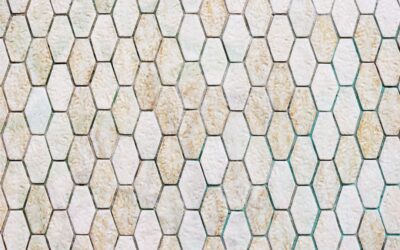
Green has quietly become the most-requested accent color in kitchens and baths, and nothing delivers it with more depth and personality than small-format tile. Green mosaic tile turns a flat surface into something alive, catching light across dozens of tiny faces and bringing in a color that feels fresh, natural, and surprisingly versatile. From a sage backsplash that calms a kitchen to an emerald shower niche that makes a bathroom feel custom, this material punches well above its size. This guide covers the materials, shades, best applications, and the installation details that separate a stunning result from a busy mess.
Part of our Tile & Grout guide — explore the full guide →
What Makes Mosaic Tile Different
Mosaic refers to small tiles, typically under 2 inches, mounted on a mesh or paper backing in sheets, usually 12 by 12 inches. That format is what gives mosaic its signature look: lots of grout lines, plenty of light reflection, and an intricate, handcrafted feel that large-format tile can’t replicate.
The mesh backing also makes mosaics easier to install over curves and small areas than you’d expect, since the sheets flex to follow shower niches, backsplash returns, and pool steps. The trade-off is more grout to seal and clean, which matters in wet areas.
Common Materials for Green Mosaics
Green mosaics come in several materials, each with its own look and best use:
- Glass: The most popular choice for green. It’s luminous, color-saturated, non-porous, and ideal for backsplashes and showers.
- Ceramic and porcelain: Durable and budget-friendly, with glazed surfaces in glossy or matte green.
- Natural stone: Marble and quartzite in green tones offer organic veining, but need sealing and gentler care.
- Smalti and handmade glass: Artisan tiles with rich, irregular color for high-end accent work.
For most homeowners, glass mosaics deliver the richest green color and the easiest maintenance, which is why they dominate kitchen and bath projects.
Choosing the Right Shade of Green
Green spans an enormous range, and the shade you pick sets the mood entirely. Soft sage and seafoam create a calm, organic backdrop that pairs with white and wood for a relaxed feel. Deep emerald and forest green read luxurious and dramatic, perfect for a statement wall or a moody powder room.
Consider the finish too. Glossy tiles bounce light and feel vibrant and modern, while matte and honed surfaces lend a more understated, natural look. Always view samples in your own space, because green shifts noticeably between daylight and warm interior bulbs, and it interacts strongly with nearby cabinet and countertop colors.
Best Places to Use It
Green mosaic tile is versatile enough for many spots, but it shines brightest as an accent:
- Kitchen backsplash: A classic application that adds color without overwhelming the room.
- Shower walls and niches: Glass mosaics create a jewel-box effect and handle moisture beautifully.
- Bathroom accent walls: A band or full feature wall behind a vanity adds depth.
- Pools and spas: Green and blue-green glass mosaics are pool favorites for their watery shimmer.
- Fireplace surrounds and bar fronts: Small doses of green mosaic add a custom, designer touch.
Installation Basics
Mosaic sheets install differently from large tile, and a few details make or break the result. Start with a smooth, clean substrate, since the small tiles telegraph any unevenness underneath. Use a white thinset for glass and light-colored tiles so it doesn’t show through translucent pieces, and apply it with a fine-notch trowel appropriate for the tile size.
Press each sheet firmly and use a grout float or a flat block to set the tiles evenly, checking that adjacent sheets line up so the grout-line spacing stays consistent. Mismatched sheet alignment is the most common amateur mistake. Let the thinset cure fully before grouting, then choose a grout color thoughtfully, a contrasting grout emphasizes the mosaic pattern, while a matching one lets the color read as a continuous field.
Sealing and Cleaning
Maintenance depends on the material. Glass, ceramic, and porcelain mosaics are non-porous and don’t need sealing, but the grout between them does. Apply a quality grout sealer after installation and reapply periodically, especially in showers and other wet areas, to prevent staining and mildew.
Natural stone mosaics require sealing of both the tile and the grout, plus gentler, pH-neutral cleaners that won’t etch the stone. For routine cleaning of any green mosaic, use a soft cloth or sponge with mild soapy water, and avoid abrasive pads that can scratch glass or dull a glaze. In showers, squeegee the walls after use to keep the grout cleaner longer.
Cost Expectations
Green mosaic tile spans a wide price range. Basic ceramic and porcelain mosaics start around $5 to $10 per square foot for materials, glass mosaics typically run $10 to $30, and handmade or natural-stone options climb higher. Because mosaic installation is more labor-intensive than large-format tile, expect installation costs to reflect that detail work. Order roughly 10 to 15 percent extra to cover cuts and future repairs, since dye-lot matching later can be difficult.
Choosing the Right Grout Color
Grout is the detail that quietly makes or breaks a mosaic install. With green mosaic, a matching or tonal grout, a soft sage or gray-green, lets the tile read as a smooth, continuous field of color, ideal for a calm backsplash. A contrasting grout, like a crisp white or charcoal, emphasizes each individual tile and plays up the handcrafted, geometric quality of the mosaic.
For wet areas like showers, consider an epoxy grout instead of standard cement grout. Epoxy resists staining and mildew far better and never needs sealing, which is a real advantage given how much grout surface a mosaic exposes. It costs more and is trickier to work with, but in a high-moisture spot the durability pays off over time.
Combining Green With Other Colors
Green mosaic rarely stands alone, and its companions shape the whole mood. With warm wood tones and brass fixtures, a green backsplash feels organic and inviting. Against white cabinets and marble counters it reads fresh and clean. Paired with black hardware and dark grout, deep emerald turns dramatic and luxurious.
Blue-green and teal mosaics blend beautifully in coastal and spa-style baths, while olive and sage tones suit earthy, nature-inspired palettes. The key is restraint: because mosaic already brings texture and lots of grout lines, let the surrounding finishes stay relatively simple so the tile remains the star rather than competing with busy patterns elsewhere in the room.
Final Thoughts
Green mosaic tile is one of the most rewarding ways to bring color and craftsmanship into a kitchen or bath. Choose glass for the richest, lowest-maintenance color, pick a shade and finish that suit your light and decor, and use it as a focused accent rather than overwhelming a whole room. Nail the substrate prep and sheet alignment during install, seal your grout, and you’ll have a surface with the kind of depth and character that makes a space feel genuinely custom.
Prefer to explore on your own?
See how new flooring looks in your actual room in seconds — free, no signup.
Try the free Floor Studio →