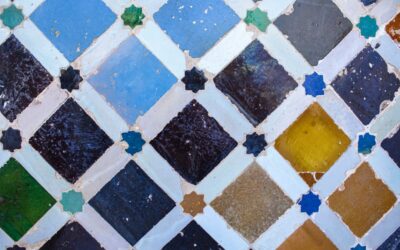
Few colors make a bolder statement than a deep, glossy blue that seems to glow from within. Cobalt blue tile has been prized for centuries, from Portuguese azulejos to Moroccan zellige, and it is enjoying a well-earned comeback in American kitchens and bathrooms. The color is dramatic, but it rewards restraint. As someone who has helped homeowners work this shade into their homes, I can tell you the difference between stunning and overwhelming comes down to how and where you use it.
Part of our Tile & Grout guide — explore the full guide →
What Gives Cobalt Its Signature Depth
Cobalt gets its name from cobalt oxide, the mineral pigment potters have fired into glazes for over a thousand years. In modern tile, that saturated blue is achieved with ceramic and porcelain glazes, glass, and hand-glazed zellige. The glossy versions read almost jewel-like under light, while matte cobalt feels more grounded and contemporary.
Because the color is so intense, the finish dramatically changes the mood. A high-gloss glazed cobalt reflects light and energizes a room, perfect for a small powder bath. Handmade zellige in cobalt shows subtle variation from tile to tile, giving walls an artisan, imperfect charm that mass-produced tile cannot replicate.
Best Places to Use Cobalt Blue Tile
A little cobalt goes a long way. I steer clients toward these applications where the color earns its keep without dominating:
- Kitchen backsplash — A cobalt subway or zellige backsplash pops against white cabinets and butcher-block counters.
- Powder room walls — Small rooms can handle full-wall drama that would overwhelm a larger space.
- Shower accent stripe — A single row of cobalt against neutral tile adds a custom detail on a budget.
- Fireplace surround — Glossy cobalt around a hearth becomes a year-round focal point.
- Pools and spas — Cobalt is a classic for waterline tile, deepening the water’s color.
Floors are the one place I use cobalt cautiously. A full cobalt floor can feel heavy, but a patterned cement tile with cobalt accents in an entryway or laundry room brings personality without swallowing the room.
Cost per Square Foot
Pricing spans a wide range depending on how the tile is made. Machine-glazed ceramic cobalt subway starts around $4 to $8 per square foot. Porcelain runs $6 to $12. Glass cobalt mosaics land at $12 to $22. Genuine handmade zellige, imported and individually glazed, commands $18 to $40 per square foot and often more once shipping is added.
Installation adds $8 to $15 per square foot for standard tile, and more for zellige because its irregular edges slow the setter down. For a typical 30-square-foot backsplash, plan on $500 to $1,600 installed depending on your tile choice. Always order 15 to 20 percent extra with handmade tile, since color and thickness vary between batches and a matching reorder may be impossible.
Colors That Pair With Cobalt
Cobalt is a strong personality, so its partners should either calm it down or match its confidence. Crisp white is the reliable classic, letting the blue take center stage. Warm brass and gold hardware create a rich, slightly nautical or Mediterranean feel. Natural wood tones soften the intensity and add warmth.
For a more daring scheme, cobalt pairs beautifully with terracotta and warm oranges, a combination pulled straight from Moroccan and Spanish design. Avoid combining cobalt with too many other saturated colors at once, though. The blue needs breathing room, and a neutral surrounding palette is what makes it read as elegant rather than chaotic.
Design Styles That Suit Cobalt
This tile is remarkably versatile across styles. In a Mediterranean or Spanish revival kitchen, patterned cobalt cement tile feels authentic and warm. In a coastal home, glossy cobalt evokes the sea without resorting to literal beach motifs. Modern spaces use flat matte cobalt as a bold graphic block against concrete and steel.
Even traditional interiors welcome cobalt in the form of a delft-inspired painted tile or a classic subway backsplash. The key is committing fully within a defined area rather than sprinkling small bits of blue everywhere, which quickly looks accidental instead of designed.
Maintenance and Sealing
Glazed ceramic, porcelain, and glass cobalt tiles are non-porous and easy to maintain. Wipe with a pH-neutral cleaner and avoid abrasive pads that can dull a glossy glaze over time. The grout, especially a light grout against dark blue tile, is the part that shows wear, so seal cement grout with a penetrating sealer and reapply annually in wet areas.
Zellige requires a gentler hand. Its handmade glaze can craze, meaning fine surface cracks develop, which is considered part of its character but does mean it should be sealed and kept out of harsh cleaning routines. For pool applications, confirm the tile is rated for constant water immersion and use the correct waterproof thin-set and grout.
Layout and Grout Strategy
With a color this strong, layout and grout choices carry unusual weight. A running-bond subway pattern keeps cobalt feeling classic and familiar, while a vertical stack pushes it modern and graphic. Herringbone amplifies the drama, turning an already bold color into a full statement wall, so reserve that for a spot that can handle the attention, like a range backsplash or a powder room feature wall. On a fireplace surround, a simple stacked or offset layout lets the color do the work without competing patterns.
Grout is your dial for turning the intensity up or down. A dark blue or charcoal grout that closely matches the tile makes the cobalt read as a seamless, saturated field of color, ideal when you want a sleek, immersive look. A contrasting light grout, such as a soft gray or greige, outlines every tile and emphasizes the pattern, giving that hand-crafted, old-world feel you see in Mediterranean kitchens. Bright white grout is the one combination I usually steer clients away from, because the harsh contrast can make the tile look busy and the joints show dirt quickly. For handmade zellige, expect grout to settle into the uneven surface unevenly, which is part of the charm but means you should test a small section first. Whatever you choose, buy sample grout colors and dry them against your tile before committing, since grout dries lighter than it looks wet and dramatically changes the finished effect.
Is Cobalt Blue Tile Right for You?
Choose cobalt when you want a room to feel intentional, rich, and memorable. It is one of the few colors that instantly signals a designed space rather than a builder-grade default. The tradeoff is commitment: this is not a neutral you can ignore, and repainting will not undo it, so be confident before you install a large expanse.
My advice is to start with an accent area, a backsplash or a powder room, where the color delivers maximum impact for a manageable cost. Order samples and view the tile under your own lighting, because cobalt shifts noticeably between daylight and warm bulbs. Get the finish and the surrounding palette right, and cobalt blue tile will look just as fresh a decade from now as the day it went in.
Prefer to explore on your own?
See how new flooring looks in your actual room in seconds — free, no signup.
Try the free Floor Studio →