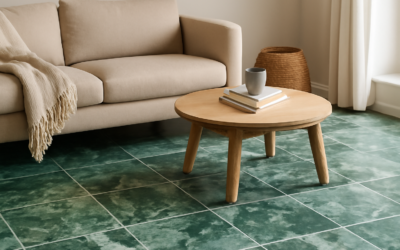
Few materials make a statement quite like blue marble tile, with its dramatic veining and depth of color that turns a floor or wall into a focal point. Blue marble is natural stone shot through with mineral veining in shades from soft slate to deep navy, and each tile is one of a kind. It brings luxury and personality to bathrooms, kitchens, and entryways, though that beauty comes with care requirements worth understanding before you buy.
What Gives Blue Marble Its Color
Marble is metamorphosed limestone, and its colors and veins come from mineral impurities present when the stone formed. Blue tones typically arise from minerals such as serpentine or other trace elements, producing the cool grays, teals, and deep blues that make these tiles so striking. Because the patterning is natural, no two slabs match exactly, which is part of the appeal.
That natural variation means you should view actual tiles or slabs before buying, not just a single sample photo. The veining can range from subtle and wispy to bold and dramatic, and you want to know what you are getting across the whole batch.
Popular Blue Marble Varieties
Several marbles are prized for their blue character, each with a distinct personality.
- Azul / blue-gray marbles: Cool, sophisticated stones with soft blue-gray fields and lighter veining.
- Bardiglio-style marbles: Gray marbles with bluish undertones and fine veining, elegant and versatile.
- Bold veined blues: Dramatic stones with strong contrasting veins for a statement installation.
Names and availability vary by supplier and quarry, so focus on the actual look and quality of the stone in front of you rather than the marketing name alone.
Best Uses Around the Home
Blue marble tile works in many places, but it shines where its drama can be appreciated and where it will not take excessive abuse.
- Bathroom floors and walls: A spa-like, luxurious feel, especially in showers and vanity surrounds.
- Kitchen backsplashes: A bold accent behind a range or sink that draws the eye.
- Entryways and feature floors: A memorable first impression in a foyer.
- Fireplace surrounds and accent walls: A focal point that elevates the whole room.
For kitchen countertops and heavy-traffic floors, weigh the maintenance, since marble is softer and more reactive than granite or porcelain.
Finishes and How They Change the Look
The finish dramatically affects both appearance and performance. Polished marble is glossy and reflective, deepening the blue tones and showing veining vividly, but it shows etches and scratches more readily. Honed marble has a matte, satin surface that is more forgiving of wear and offers better slip resistance underfoot, making it a smart pick for floors.
Tumbled and brushed finishes add texture and a softer, aged look, useful for a more rustic or organic design. Match the finish to the room: honed for wet or high-traffic floors, polished for walls and accents where you want maximum drama.
What Blue Marble Tile Costs
Marble sits at the premium end of tile pricing, and blue varieties can command more depending on rarity. As a general estimate, marble tile often ranges from about $7 to $25 or more per square foot for materials, with rare or exotic blue stones reaching higher. Installation adds labor, and natural stone typically costs more to set than ceramic because it requires careful handling and sealing.
Treat these as rough figures and gather local quotes. The price reflects a genuine luxury material, and the unique, one-of-a-kind result is a large part of what you are paying for.
Sealing and Everyday Care
Marble is porous and reactive to acids, so protection is essential. Seal blue marble tile after installation and reseal periodically, using a water test to gauge when the sealer has worn. For daily care, follow these rules:
- Clean only with pH-neutral stone cleaners; never use vinegar, lemon, or other acids that etch marble.
- Wipe spills immediately, especially wine, coffee, and citrus.
- Use coasters, trivets, and mats to limit etching and scratching.
- Avoid abrasive pads and harsh chemicals that dull the surface.
With sealing and gentle cleaning, marble keeps its beauty for many years, though it will develop a natural patina over time that many owners come to appreciate.
Designing With Blue Marble Tile
Because blue marble is a statement material, the surrounding design should let it breathe. Pair busy, heavily veined tile with simple, quiet finishes so the stone stays the focal point. In a bathroom, a dramatic blue marble shower wall looks best against plain cabinetry and restrained hardware, while a subtler blue-gray works as an all-over surface without overwhelming the room.
Color coordination makes or breaks the look. Blue marble pairs naturally with several palettes:
- White and bright: Crisp white walls and fixtures make the blue veining pop.
- Brass and gold: Warm metal fixtures contrast beautifully with cool blue tones.
- Gray and greige: Soft neutrals let blue-gray marble read elegant and understated.
- Deep navy accents: Echoing the darkest veins in cabinetry or textiles ties the scheme together.
Lighting deserves attention too. Marble’s depth and veining come alive under good light, so layer ambient and task lighting to show the stone at its best. In a windowless bathroom, warm LED lighting keeps the blues from reading flat or cold. Consider where the eye lands first and place your most striking tile there, whether that is the shower’s back wall, a vanity backsplash, or a feature floor in the entry. Thoughtful placement and restrained surroundings turn an expensive material into a genuinely memorable space.
Is Blue Marble Right for You?
If you want a luxurious, one-of-a-kind surface with genuine wow factor, blue marble tile delivers like little else. Choose a honed finish for floors and wet areas, polished for walls and accents, and commit to sealing and pH-neutral cleaning. Accept that marble is a living natural stone that ages with character, and you will enjoy a stunning, distinctive feature that elevates your home for decades. Before you buy, view the actual tiles or slabs in person and, when possible, hand-select pieces so the veining flows the way you want across the installation. Order extra from the same lot to account for cuts and future repairs, since matching natural stone later is nearly impossible. A little care at the selection stage ensures the finished surface looks like the intentional, one-of-a-kind centerpiece you are paying for.
Prefer to explore on your own?
See how new flooring looks in your actual room in seconds — free, no signup.
Try the free Floor Studio →