If you have been browsing tile for a kitchen, bathroom, or living area, you may have come across esmer tile as a style option and wondered what sets it apart. The name describes a warm, earthy, stone-inspired look that has grown popular for its natural appearance and versatility across both floors and walls.
Part of our Tile & Grout guide — explore the full guide →
Rather than a single product from one maker, think of esmer tile as a design family defined by its muted, organic tones and natural-stone aesthetic. This guide covers what the style looks like, where it shines, and how to install and maintain it well.
What Defines the Esmer Tile Look
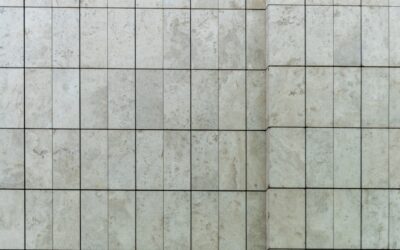
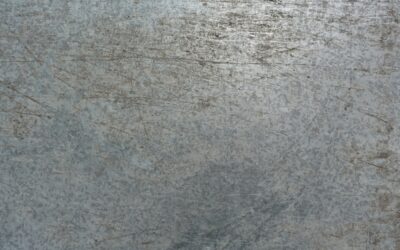
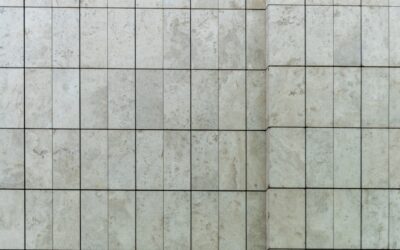
The defining quality is a soft, earthy palette. Esmer-style tiles tend toward warm beiges, taupes, greiges, sandy browns, and muted gray-greens, often with subtle tonal variation across each piece. The surface frequently mimics natural stone or aged concrete, with gentle veining, cloudy mottling, or a lightly textured face.
That understated character is the appeal. The tiles read as calm and grounded rather than flashy, which lets them work as a quiet backdrop in almost any room. Because the colors are nature-derived, they coordinate easily with wood, plaster, brass, and natural fabrics, making them a favorite in modern organic, Mediterranean, and transitional interiors.
Common Materials and Finishes
Stone-look tile styles like this are typically produced in porcelain or ceramic, with porcelain being the more durable and water-resistant choice. Porcelain’s density makes it suitable for floors and wet areas, while ceramic versions often suit walls and lighter-traffic spaces.
- Matte finish: The most common for an earthy look, offering a soft, non-reflective surface that hides smudges and adds slip resistance underfoot.
- Honed or natural finish: A smooth but low-sheen face that reinforces the natural-stone feel.
- Textured finish: A slightly raised or sandy surface that improves grip, useful for shower floors and entryways.
Sizes generally span large-format floor tiles, rectangular wall planks, and smaller mosaic sheets, so you can carry one cohesive look across multiple surfaces.
Best Places to Use Esmer Tile
The neutral, natural character makes this style remarkably flexible. A few applications stand out.
- Bathroom floors and walls: The spa-like, stone-inspired tones suit showers, vanity walls, and floors beautifully.
- Kitchen backsplashes: An earthy backdrop that pairs well with both light and dark cabinetry.
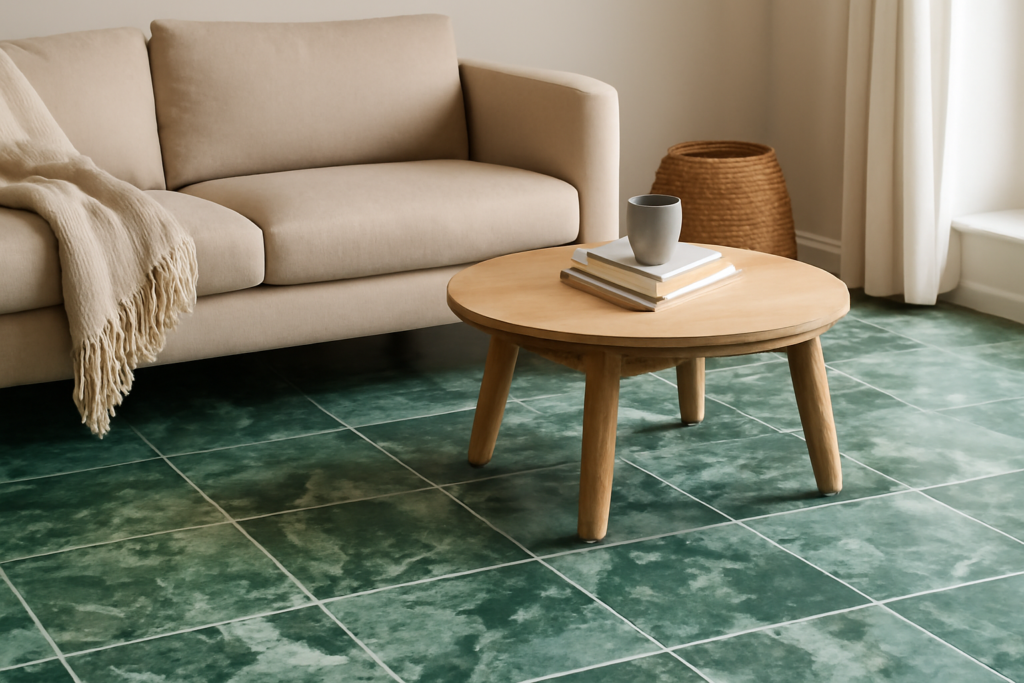
- Living areas and entryways: Large-format floor tiles give an open, seamless stone look that wears well.
- Outdoor patios: Textured porcelain versions handle covered patios and transition spaces nicely.
Because the palette is so neutral, esmer-style tile rarely clashes with paint colors or fixtures, which makes it a safe long-term choice that will not feel dated as trends shift.
Installation Considerations
Tile of this style installs much like any quality porcelain or ceramic, but a few details improve the result. The natural tonal variation means you should dry-lay several boxes and mix tiles from different cartons before setting, so the color blend looks random and organic rather than blotchy.
For floors, the substrate must be clean, flat, and structurally sound. Large-format tiles in particular demand a flat subfloor, since any dip causes lippage where tile edges sit unevenly. Use the correct trowel size and a high-quality thinset rated for the tile size, and consider a leveling clip system on large tiles to keep edges flush.
Grout color makes a big difference with an earthy tile. A matching or slightly darker grout keeps the look seamless and natural, while a contrasting grout emphasizes each tile’s outline. For most esmer-style installations, a tonal grout that blends into the field gives the cleanest, most expensive-looking result.
Caring for Esmer Tile
One of the practical strengths of porcelain and ceramic tile is easy upkeep. Routine cleaning takes only a damp mop and a pH-neutral tile cleaner. Avoid harsh acidic or abrasive products, which can dull certain finishes over time, and skip oil-based soaps that leave a film.
The tile itself is non-porous when it is porcelain, but the grout is not. Seal cement-based grout after installation and reseal it periodically, especially in showers and high-moisture areas, to prevent staining and mildew. Wipe up spills on textured matte surfaces reasonably promptly, since deeply textured faces can trap grime if neglected. With minimal effort, this style of tile keeps its look for decades.
Pros and Cons to Weigh
Before committing, it helps to balance the strengths against the tradeoffs.
- Pro: Timeless, neutral aesthetic that coordinates with nearly any decor.
- Pro: Natural-stone look without stone’s maintenance, since porcelain needs no sealing of the tile face.
- Pro: Durable and water-resistant, suitable for kitchens, baths, and floors.
- Con: Cold and hard underfoot, which matters in bedrooms or chilly climates without radiant heat.
- Con: Installation skill matters, as large-format and variegated tiles are less forgiving to set well.
- Con: Grout maintenance remains a small ongoing task in wet areas.
For the cold-underfoot concern, electric radiant floor heating mats installed under the tile are a popular fix in bathrooms and kitchens. They add cost and require professional electrical work, but they transform a hard stone-look floor from chilly to genuinely comfortable on bare feet during winter mornings, which is often the deciding factor for homeowners on the fence.
Is Esmer Tile Right for Your Project?
If you want a warm, natural, stone-inspired surface that feels current without chasing a trend, esmer tile fits the bill. It suits homeowners who love the look of natural stone but prefer the durability and low maintenance of porcelain, and it adapts to bathrooms, kitchens, floors, and patios alike.
Pairing matters as much as the tile itself. Esmer-style tones look their best alongside natural materials, so consider warm wood vanities, linen textiles, matte black or brushed brass fixtures, and live plants. Against a stark, glossy white kitchen the earthy tile can look muddy, while next to natural wood and soft neutrals it reads rich and intentional.
Order samples and view them in your own lighting before buying, since earthy tones shift noticeably between daylight and artificial light. Mix your boxes during installation, choose a tonal grout, and keep the grout sealed. Do that, and an esmer-style tile installation will deliver a calm, grounded look that ages gracefully for years to come.
Prefer to explore on your own?
See how new flooring looks in your actual room in seconds — free, no signup.
Try the free Floor Studio →