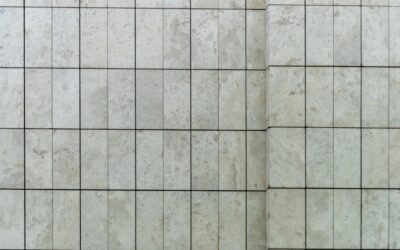
Imagine the soft, woven texture of natural linen fabric rendered in a material you can mop, soak, and walk on for decades. Linen tile flooring is porcelain or ceramic tile printed and textured to mimic the subtle crosshatch weave of linen cloth, delivering a warm, fabric-inspired look with all the toughness of tile. It has quietly become a designer favorite for bathrooms, kitchens, and modern living spaces that want softness without sacrificing durability. This guide explains what linen-look tile is, where it shines, how to style it, and what to check before you buy.
Part of our Tile & Grout guide — explore the full guide →
What Linen-Look Tile Actually Is
Linen tile is not made of fabric. It is standard porcelain or ceramic tile whose surface is given a fine, woven visual pattern and a lightly textured finish that imitates the threads of linen. High-resolution inkjet printing creates the subtle warp-and-weft pattern, while a matte or softly structured glaze adds the tactile fabric feel.
The effect is a floor that reads as soft and textile-like from across the room but performs like any quality tile underfoot. Porcelain versions are denser and more water-resistant than ceramic, making porcelain the better pick for floors and wet areas, while ceramic is often fine for walls and lighter-traffic spaces.
The Look and Color Range
The appeal of linen tile is its quiet, neutral character. The weave pattern is subtle rather than loud, so it functions almost like a textured solid, adding depth without competing with cabinetry, rugs, or furniture. That makes it a versatile backdrop.
Common colorways follow natural fabric tones:
- Warm neutrals — beige, oatmeal, greige, and soft taupe that read cozy and timeless.
- Cool grays — light to charcoal grays for a contemporary, minimalist feel.
- Crisp whites and ivories — bright and airy, ideal for small bathrooms.
- Deep charcoals and blacks — dramatic floors that show off the weave texture in good light.
Best Places to Use It
Bathrooms are the classic application. Porcelain linen tile resists moisture, cleans easily, and the soft fabric look warms up a space that can otherwise feel clinical. The textured surface also offers a bit more grip than glossy tile, which matters on wet floors.
It also works beautifully in kitchens, laundry rooms, entryways, and open living areas, especially in modern, Scandinavian, and transitional interiors. Large-format linen tiles on a living-room floor create a calm, upholstered feeling that pairs well with natural wood and soft textiles. It can climb the wall too, as a shower surround or a subtle accent.
Sizes and Layout Options
Linen tile comes in a wide range of formats, and the size you choose changes the whole effect. Large-format tiles such as 24×24 inches or 12×24 inches minimize grout lines and emphasize the continuous fabric look, which is the most popular direction for contemporary floors. Smaller squares and mosaics suit shower floors and accents where grip and drainage matter.
Because the weave pattern has a directional quality, plan your layout deliberately. Running all tiles the same orientation reinforces the woven illusion, while alternating can create a basketweave-style rhythm. Discuss grout color with your installer; a closely matched grout makes the floor read as one soft surface, while a contrasting grout turns each tile into a defined panel.
The Pros
You get the cozy, textile aesthetic of fabric or carpet with none of the staining, moisture, or wear problems. Porcelain linen tile is extremely durable, water-resistant, and easy to clean, holding up to heavy traffic, pets, and spills for decades.
The matte, textured finish hides dust, footprints, and water spots far better than glossy tile, and it tends to be less slippery. The neutral weave pattern is also remarkably forgiving in design terms, working with nearly any cabinet color or decor style and aging well as trends shift.
The Cons
Tile is hard and cold underfoot, and linen-look tile is no exception. In bedrooms or chilly climates you may want in-floor radiant heat or area rugs to add comfort, which adds cost. Like all tile, it requires a flat, properly prepped subfloor and skilled installation to avoid lippage and cracking.
The textured surface that resists slips can also trap a little more grime in its micro-grooves, so it benefits from occasional scrubbing rather than just a damp mop. And while the fabric look is convincing, it is still a hard surface; anyone expecting the actual softness of carpet will be reminded otherwise the moment they kneel down.
Cleaning and Maintenance
One of the quiet joys of linen tile is how little it asks of you. Day to day, sweep or dust-mop to remove grit, then damp-mop with warm water and a pH-neutral tile cleaner. Skip harsh acidic or abrasive cleaners, which can dull glazes and erode grout over time, and avoid oil-based or wax products that leave a film and undercut the matte look.
The textured weave can hold a little more grime in its micro-grooves than glossy tile, so every few weeks give it a more thorough scrub with a soft brush in high-traffic zones. Seal the grout lines on installation and reseal periodically to keep them from staining; this is where most tile floors actually show their age. Done right, a linen tile floor looks fresh for decades with minimal effort.
Pairing Linen Tile With Your Decor
Because the weave reads as a soft, neutral texture, linen tile is one of the most flexible floors to design around. In a bathroom, pair warm oatmeal or greige tones with natural wood vanities and brushed-brass fixtures for a spa-like calm. In a kitchen, a light linen-look floor brightens the space and lets bold cabinetry or a statement backsplash take center stage. Cool gray versions suit minimalist and contemporary rooms, while charcoal floors anchor an airy, light-walled space with quiet drama. Layer in natural-fiber rugs, linen upholstery, and soft textiles to echo the fabric theme and play up the cozy, textile-inspired feel that makes this tile special.
Buying and Installation Tips
Choose porcelain over ceramic for floors and wet areas because of its lower water absorption and higher density. Order samples and view them in your space’s lighting, since the subtle weave and color shift noticeably between showroom and home. Check the tile’s slip-resistance rating if it is going in a bathroom or kitchen. Buy 10 to 15 percent extra to cover cuts, waste, and future repairs from the same production batch, and confirm all your tile shares one lot number to avoid color variation. Finally, budget for proper subfloor prep and a quality installer, because even the best tile fails over an uneven or flexing base.
The Bottom Line
Linen tile flooring gives you the warm, woven softness of fabric with the waterproof durability and easy upkeep of porcelain. It is a smart, stylish choice for bathrooms, kitchens, and modern living spaces, especially in neutral tones and large formats. Pick porcelain for floors, plan your layout and grout to suit the weave, account for the hardness underfoot, and you will have a floor that feels designer and lasts for the long haul.
Prefer to explore on your own?
See how new flooring looks in your actual room in seconds — free, no signup.
Try the free Floor Studio →