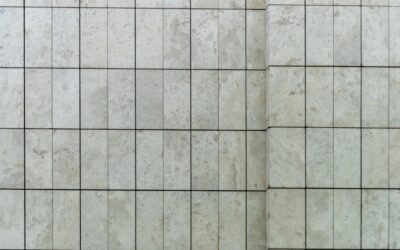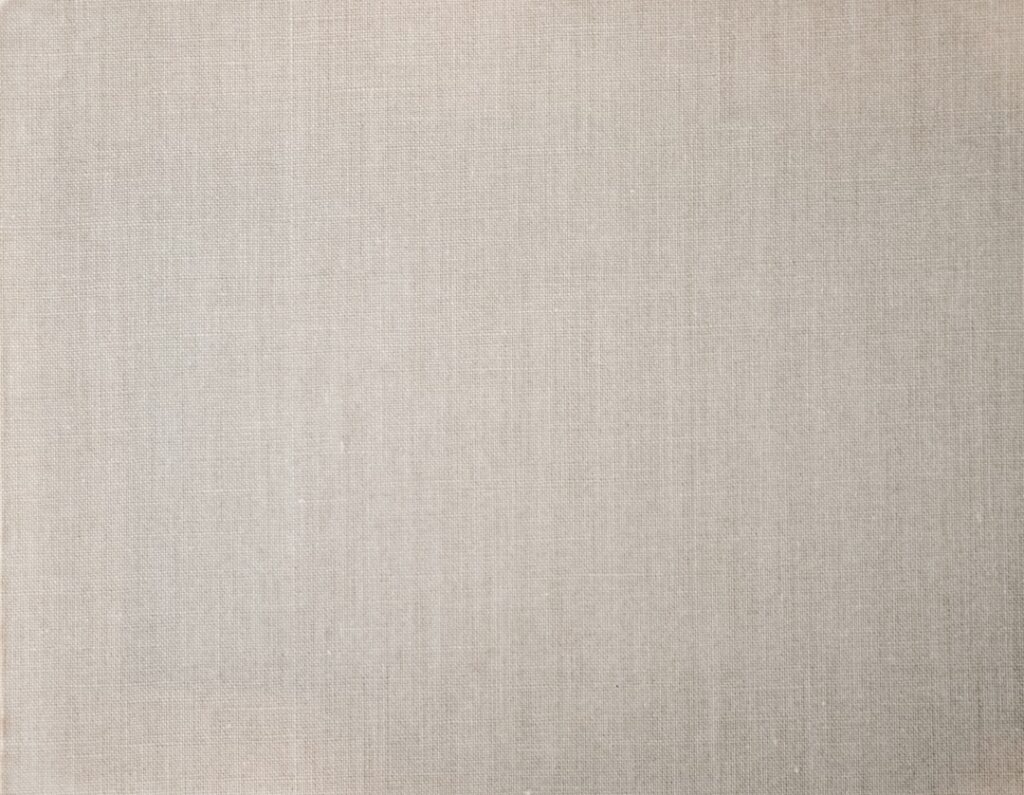
Imagine the gentle weave of natural linen fabric translated into a durable, wipeable surface, and you have the appeal of linen look tile. This porcelain and ceramic tile is embossed and printed to mimic the fine crosshatch texture of woven cloth, bringing warmth and tactile softness to spaces that would otherwise feel cold or flat. It is a quietly sophisticated choice that reads as texture rather than pattern, which makes it endlessly versatile across kitchens, bathrooms, and living areas.
Part of our Tile & Grout guide — explore the full guide →
What Gives It the Fabric Effect
Linen look tile achieves its convincing appearance through a combination of surface embossing and high-definition printing. The tile’s face is molded with a subtle woven texture you can feel with your fingertips, while digital printing adds the color variation and fine threads that make it read as real fabric. The result is a matte, tactile surface that catches light softly rather than reflecting it. Because it is porcelain or ceramic at heart, the tile is fully water resistant, stain resistant, and far tougher than the material it imitates, giving you the coziness of textiles without any of the maintenance headaches.
The Color Palette
True to its inspiration, linen look tile leans into soft, natural, undyed tones. The most popular options include:
- Neutral whites and creams: The quintessential linen shades, airy and calming, perfect for a light, contemporary space.
- Greige and taupe: Warm mid-tones that ground a room and hide everyday marks well.
- Soft gray: A cooler option that feels modern and pairs with both warm and cool accents.
- Charcoal and deep navy: Dramatic darks that show off the woven texture with striking contrast.
- Warm sand and beige: Sunny, organic tones that lean coastal or Mediterranean.
Because the color runs subtle and the texture does the talking, linen look tile behaves like a sophisticated neutral in almost any scheme.
Where Linen Look Tile Works Best
This tile is remarkably adaptable. On bathroom walls and shower surrounds, its soft texture creates a serene, spa-like envelope that feels far warmer than glossy tile. As a kitchen backsplash it adds subtle interest without stealing the show from cabinetry or countertops. On floors, larger-format linen look porcelain gives an expansive, seamless look with just enough texture to feel intentional. It also makes a beautiful accent wall in a bedroom or living room, and its understated character suits both minimalist and traditional interiors. Because it is porcelain, it handles moisture and traffic that real fabric never could.
Design Ideas to Try
The beauty of a textured neutral is how easily it layers with other materials. Consider these approaches:
- Tone on tone: Pair cream linen look tile with white cabinetry and warm wood for a soft, cohesive, light-filled room.
- Texture mixing: Combine it with natural stone, rattan, or matte metal fixtures to build a rich, layered, organic aesthetic.
- Contrast grout: Use a slightly darker grout to define large tiles, or a matching grout for a seamless woven expanse.
- Full-height feature wall: Run dark charcoal linen tile floor to ceiling behind a freestanding tub for a dramatic focal point.
- Warm metals: Brass and bronze fixtures echo the fabric warmth and elevate the whole look.
What It Costs
Linen look tile is priced like other quality porcelain and ceramic. Ceramic versions typically run $3 to $7 per square foot, while porcelain, including larger formats and premium designer collections, ranges from about $5 to $14 per square foot. Installation generally adds $6 to $13 per square foot for standard layouts, more if you choose a complex pattern or oversized slabs that require special handling. Budget for thinset, grout, spacers, and a 10 to 15 percent overage for cuts and future repairs. Because the texture is baked into a durable tile, the long-term value is strong compared with fabric or wallpaper that would need replacing.
Choosing the Right Finish and Format
Most linen look tile comes in a matte finish, which best captures the fabric feel and offers good slip resistance for floors. Format matters as much as color. Large-format tiles, such as 12 by 24 inches or bigger, minimize grout lines and let the woven texture flow across a wall or floor uninterrupted, which reads more luxurious. Smaller tiles and mosaics create more pattern and are handy for shower niches and accent bands. For floors, confirm the slip rating suits the room, especially in bathrooms. If you are covering a large area, ordering from a single production lot keeps the color and texture consistent.
Care and Maintenance
One of the joys of linen look tile is how little it asks of you. Because it is porcelain or ceramic, it needs no sealing on the tile body itself. Routine care involves sweeping or vacuuming to remove grit, then damp mopping with a pH-neutral cleaner. The subtle texture can trap a bit more dust than a glossy tile, so an occasional scrub with a soft brush keeps the weave looking crisp. Seal the grout lines in wet areas to prevent staining and mildew, and wipe shower walls after use to minimize soap film. Avoid abrasive pads that could dull the matte surface over time.
Pros and Cons
The advantages are compelling: a soft, tactile, fabric-inspired look with none of the fragility of real textiles, full water and stain resistance, low maintenance, and a neutral palette that works with virtually any style. The texture also helps hide minor scuffs and water spots. The drawbacks are minor. The recessed weave can collect dust and needs occasional deeper cleaning, very cheap versions may look flat rather than convincingly woven, and like all tile it feels harder and cooler underfoot than the fabric it imitates. Choosing a quality porcelain solves most of these concerns.
Pairing Linen Look Tile With Other Materials
Because linen look tile is fundamentally a textured neutral, it becomes far more interesting when you layer it with complementary materials rather than using it alone. Natural wood is perhaps its best partner. The organic grain of oak, walnut, or ash echoes the fabric-inspired texture and warms up the whole palette, whether that means a wood vanity beneath a linen-tiled wall or wood-look flooring beside a linen backsplash. Rattan, cane, and woven baskets reinforce the tactile, handcrafted theme and give a room that collected, lived-in quality designers prize.
Metals offer another easy way to shift the mood. Brass and bronze fixtures amplify the tile’s warmth and lend a soft, luxurious glow, ideal for a spa bathroom or a cozy kitchen. Cooler chrome or brushed nickel pushes the same tile toward a crisp, contemporary feel, which works well with gray-toned linen. Stone counters and natural marble also pair beautifully, since their veining adds movement without clashing with the tile’s subtle weave. For softness, layer in linen and cotton textiles, whether curtains, towels, or upholstery, so the woven look extends beyond the tile itself and the whole space feels cohesive. The one rule worth remembering is contrast in texture, not chaos in pattern: because linen look tile is quiet, it lets you mix several natural textures without the room ever feeling busy. Combine it thoughtfully with wood, woven fibers, warm metals, and soft textiles, and the tile becomes the calm foundation that makes every other material look intentional and refined.
Final Thoughts on Linen Look Tile
Linen look tile is proof that texture can be just as powerful as color or pattern. It brings the softness and warmth of natural fabric to surfaces that demand durability, giving you a calm, tactile backdrop that flatters everything around it. Whether you wrap a shower in serene cream, add a subtle woven backsplash to your kitchen, or make a statement with a charcoal feature wall, linen look tile delivers understated elegance that stays timeless. Pair it with warm woods, natural textures, and thoughtful metals, and you will have a space that feels both refined and inviting for years to come.
Prefer to explore on your own?
See how new flooring looks in your actual room in seconds — free, no signup.
Try the free Floor Studio →