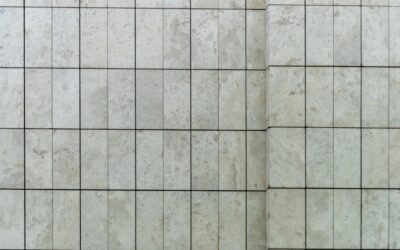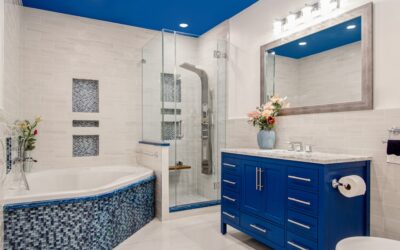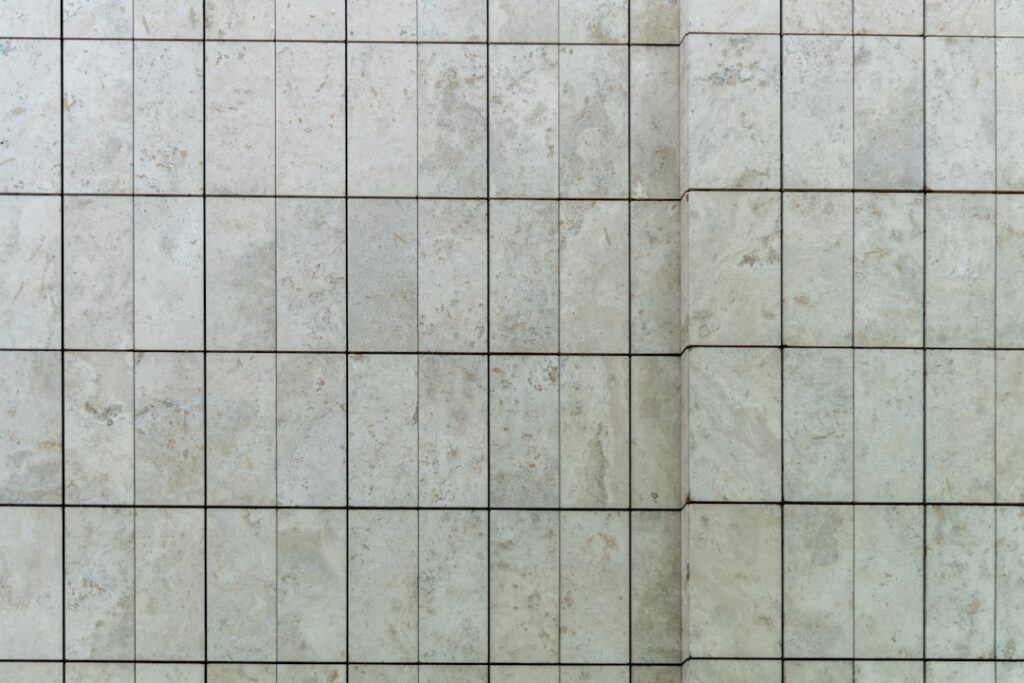
If you want the softness of woven fabric with the durability of porcelain, a linen tile bathroom gives you exactly that, wrapping the room in a subtle textile texture that feels warm and calming underfoot and against the wall. The tiles mimic the fine weave of real linen cloth, complete with faint threads and a matte, cloth-like surface.
Part of our Bathroom Remodeling & Flooring guide — explore the full guide →
The result is a bathroom that reads spa-like and understated rather than loud. Linen-look tile has become a favorite for exactly this reason: it delivers quiet texture and a neutral palette that never goes out of style, while shrugging off the water, steam, and scrubbing that would destroy actual fabric. Here is how to design and build one that lasts.
- What Linen-Look Tile Actually Is
- Why It Works So Well in a Bathroom
- Colors and Formats to Consider
- Where to Use Linen Tile in the Room
- What a Linen Tile Bathroom Costs
- Installation and Waterproofing Essentials
- Grout Choice and Everyday Care
- Design Ideas to Elevate the Look
- Common Mistakes to Avoid
- Is a Linen Tile Bathroom Right for You?
What Linen-Look Tile Actually Is
Linen tile is almost always glazed porcelain or ceramic printed and textured to imitate woven fabric. Modern inkjet glazing reproduces the crosshatch weave and slight color variation of real linen so convincingly that people reach out to touch it. Underneath, though, it is a dense, water-resistant porcelain body that behaves like any quality tile.
That combination is the whole appeal. You get the visual warmth and softness of textiles, a look that would be impossible and impractical to achieve with actual cloth in a wet room, paired with the waterproof, stain-resistant, long-lasting nature of fired porcelain. The texture is usually a gentle matte, sometimes with a faint fabric grain you can feel with your fingertips.
Why It Works So Well in a Bathroom
Bathrooms benefit from softness because so many surfaces are hard, glossy, and cold. Linen tile breaks that up. The matte, woven texture diffuses light instead of bouncing harsh reflections, so the room feels serene rather than clinical. It is the visual equivalent of a soft towel in a space full of glass and chrome.
Neutral coloring is the other advantage. Linen tile typically comes in white, cream, greige, soft gray, taupe, and charcoal. Those tones form a calming backdrop that pairs with any vanity, fixture finish, or accent color you bring in later. You can lean fully minimalist or layer in warm wood and brass without the tile ever fighting you.
Colors and Formats to Consider
The shade and size you pick set the entire mood of the room. Lighter linens open up a small bathroom, while deeper tones add cozy drama to a larger one.
- White and cream linen: Brightens and enlarges compact bathrooms; timeless and airy.
- Greige and taupe: Warm neutrals that feel inviting and hide water spots well.
- Soft gray: Cool, modern, and endlessly flexible with fixtures.
- Charcoal linen: A dramatic feature-wall or floor choice that anchors a spa palette.
Popular Sizes
- 12 by 24 inch: The workhorse format for walls and floors, with fewer grout lines for a clean look.
- 24 by 24 inch and larger: Big-format tiles that minimize joints and read seamless.
- 2 by 2 inch mosaics: Textured, grippy option ideal for shower floors.
Where to Use Linen Tile in the Room
One of the best things about this material is that you can run it nearly everywhere for a cohesive, wrapped effect. Many homeowners use the same linen tile on the floor and shower walls to create a seamless, enveloping look that makes the space feel larger and more resort-like.
On floors, choose a tile with a slip rating suitable for wet areas, ideally something with a DCOF rating of 0.42 or higher, and use smaller mosaics on the shower pan where more grout lines add grip. On walls, larger formats keep the surface calm and uninterrupted. A single charcoal linen accent wall behind a floating vanity or freestanding tub gives you a focal point without adding clutter.
What a Linen Tile Bathroom Costs
Linen-look porcelain sits in the mid-range of tile pricing, which is part of its appeal. You get a high-end textile look without a natural-stone price tag. Plan your budget around these figures.
- Basic linen porcelain: $3 to $7 per square foot
- Mid-grade large-format linen: $7 to $14 per square foot
- Premium designer collections: $14 to $25 per square foot
Professional installation runs $10 to $18 per square foot for walls and floors, more for intricate shower work with waterproofing and niches. A full 40-square-foot floor plus a tiled shower can range from roughly $2,500 to $6,000 installed depending on your tile grade and market. Buy 10 to 15 percent overage for cuts and future repairs, and confirm all boxes share the same dye lot so the weave and color match perfectly.
Installation and Waterproofing Essentials
A bathroom is a wet environment, so the hidden work behind the tile matters more than the tile itself. Skimp on waterproofing and even the best linen tile will sit over a rotting wall.
Prep and Membrane
Set tile over cement backer board or a foam tile backer, never plain drywall, in shower and splash zones. Apply a waterproofing membrane such as a liquid-applied coat or a sheet membrane over the substrate and treat all seams and corners. Slope the shower pan a minimum of 1/4 inch per foot toward the drain so water never pools.
Layout and Setting
Because linen tile has a directional weave, keep the grain running the same way across every tile unless you deliberately want a basket-weave effect. Use a large-format modified thinset for 12-by-24 and bigger tiles, back-butter each piece, and set leveling clips to prevent lippage. Keep grout joints tight and consistent, usually 1/16 to 1/8 inch, to preserve the seamless fabric look.
Grout Choice and Everyday Care
Match your grout closely to the tile color for a continuous, woven appearance, or go one shade darker on floors to disguise dirt. I recommend a high-quality stain-resistant grout, and many pros now use epoxy or a pre-mixed stain-proof grout in showers to eliminate mildew worries entirely. Seal cement-based grout after it cures, then reseal every year or two.
Daily upkeep is genuinely easy, which is the payoff for choosing porcelain over fabric. Wipe surfaces with a pH-neutral cleaner and a soft cloth or mop. The porcelain body never needs sealing and resists stains, mold, and moisture on its own. Squeegee shower walls after use to cut down on water spots, and avoid abrasive powders that could dull the matte texture over time.
Design Ideas to Elevate the Look
Because linen tile is so quiet, you have freedom to layer texture and warmth around it without creating chaos. A greige linen floor paired with a white oak vanity, a matte black faucet, and a large frameless mirror gives you a calm, modern spa in a compact footprint. The tile carries the texture so the rest of the room can stay simple.
For a larger primary bath, try running charcoal linen tile as a full accent wall behind a freestanding soaking tub, then wrap the floor and shower in a lighter cream or greige linen from the same collection. The tonal shift adds depth while keeping the woven texture consistent throughout. Warm the palette with brass fixtures, a wood stool, and plenty of plush towels.
Lighting matters more than people expect. Because linen tile is matte, it drinks in light rather than reflecting it, so layer your sources. Combine overhead lighting with sconces beside the mirror and, if possible, a warm dimmable fixture near the tub. Soft, warm light at around 2700K to 3000K flatters the fabric texture and reinforces the restful mood.
Common Mistakes to Avoid
A linen tile bathroom is forgiving, but a few errors can undercut the finished result. Watch for these.
- Mixing weave directions by accident: The grain should run consistently unless you plan a basket-weave. Check every tile before it sets.
- Using a glossy floor tile: It gets slick when wet. Pick a slip-rated matte surface, DCOF 0.42 or higher.
- Skimping on waterproofing: The membrane behind the tile matters more than the tile. Never tile a shower over plain drywall.
- Choosing hard-to-clean grout: Match the color and consider epoxy or stain-proof grout in wet zones to avoid mildew.
- Buying across dye lots: Slight color and weave shifts show badly. Confirm one dye lot and order overage.
Sidestep those and the installation looks intentional and seamless. The material does most of the work; your job is consistency in layout, safety underfoot, and solid waterproofing beneath it all.
Is a Linen Tile Bathroom Right for You?
Choose this look if you want a calm, spa-inspired space that stays low-maintenance and timeless. A linen tile bathroom delivers the warmth and softness of textiles with the waterproof toughness of porcelain, at a friendlier price than stone. The neutral palette guarantees it will still look current a decade from now, and the durable body shrugs off the daily abuse a bathroom dishes out.
The keys to success are proper waterproofing behind the tile, a slip-rated surface on the floor, consistent weave direction, and a grout you will not have to fuss over. Get those right and your linen tile bathroom becomes a serene, easy-care retreat you will enjoy every single morning.
Prefer to explore on your own?
See how new flooring looks in your actual room in seconds — free, no signup.
Try the free Floor Studio →