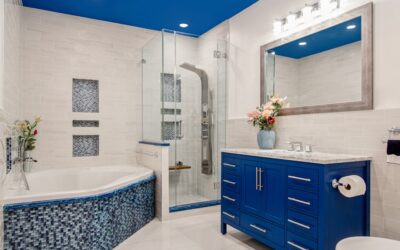
Choosing the right bathroom tile texture is one of those decisions that quietly determines whether your bathroom is safe, easy to clean, and pleasant to stand in every morning. Texture is not just a design flourish; it dictates how much grip a wet floor offers, how visible soap scum and water spots become, and how the room feels underfoot. A glossy tile that looks stunning on a showroom wall can turn dangerously slick on a shower floor, while a heavily textured surface that grips beautifully can trap grime. This guide walks through the main texture categories and where each one belongs.
Part of our Bathroom Remodeling & Flooring guide — explore the full guide →
Why Texture Matters More in a Bathroom
Bathrooms are the one room in the house where water on the floor is a given, and that changes the calculus entirely. The right bathroom tile texture provides the slip resistance that keeps a wet floor safe, particularly for children and older adults. Tile slip resistance is measured by the DCOF rating, the dynamic coefficient of friction, and industry guidance generally calls for a DCOF of at least 0.42 for floors expected to get wet.
Texture also shapes maintenance and mood. Smoother surfaces wipe clean in seconds but reveal every water droplet and can feel cold and slick. Rougher surfaces grip well and hide minor grime but demand more scrubbing to clean thoroughly. The trick is matching texture to location, using grippier tiles where water pools and smoother tiles on walls where slip resistance is irrelevant.
The Main Texture Options
Understanding the common finishes makes it far easier to pick the right tile for each surface in the room.
- Polished: a glossy, reflective surface that brightens a room and cleans easily, but becomes slippery when wet. Best reserved for walls, vanity backsplashes, and tub surrounds, not shower or bathroom floors.
- Matte: a flat, non-reflective finish with moderate slip resistance that hides water spots and soap film well. A dependable all-around choice for bathroom floors.
- Honed: smoothed but not polished, giving a soft satin look on stone and porcelain. Slightly more grip than polished but still best kept off wet floors unless rated for it.
- Textured or structured: deliberately raised, ridged, or sandy surfaces engineered for maximum grip, ideal for shower pans and pool-adjacent baths.
- Mosaic: small tiles with abundant grout lines that provide traction underfoot, which is why shower floors so often use two-inch or penny-round mosaics.
Notice that the safest floor options, textured tile and mosaics, both work by breaking up the smooth plane, either through the surface itself or through many grout joints that give your feet something to catch on.
Matching Texture to Location
A well-designed bathroom rarely uses a single texture everywhere. On the shower floor, prioritize grip above all: choose a textured tile or a small mosaic with plenty of grout lines, since this is where water and soap combine to create the highest slip risk. On the main bathroom floor, a matte porcelain in a 12×24 or larger format gives a clean look with reasonable traction and easy cleaning.
On the walls, you have far more freedom because slip resistance does not apply. This is where a glossy or polished tile earns its place, reflecting light to make a small bathroom feel larger and brighter while wiping clean effortlessly. Many designers pair a polished wall tile with a coordinating matte or textured floor from the same collection, achieving visual harmony while keeping each surface functionally correct.
Texture and Cleaning
Every gain in grip comes with a small cost in cleaning effort, and it helps to go in with clear expectations. Smooth, glossy, and matte tiles wipe down quickly with a damp cloth or mop and mild cleaner, though glossy surfaces show water spots and require drying to look streak-free. Heavily textured and structured tiles grip your feet precisely because their surface is irregular, and that same irregularity holds soap scum and mineral deposits.
For textured floors, a stiff-bristle brush and a tile-safe cleaner beat a flat mop that skims over the peaks and misses the valleys. Sealing the grout, regardless of tile texture, is essential in a bathroom to prevent staining and mildew in the porous joints. On natural stone textures, use a stone-safe pH-neutral cleaner and avoid acidic products that etch the surface over time.
Style Considerations Beyond Safety
Texture is a powerful design tool once you have the safety basics handled. A three-dimensional textured wall tile, such as a fluted, wavy, or geometric relief, adds depth and shadow that a flat tile cannot, turning a shower niche or accent wall into a focal point. Handmade-look tiles with subtle surface irregularity bring warmth and an artisanal feel that reads as high-end.
Consider the overall mood you want. Matte finishes feel modern, calm, and spa-like, while polished surfaces feel bright, crisp, and traditional. Mixing textures thoughtfully, such as a glossy subway wall against a matte hexagon floor, creates contrast that keeps a neutral bathroom from feeling flat. Just avoid combining too many competing textures, which can make a small room feel cluttered rather than layered.
Making the Right Choice
How Texture Affects a Small Bathroom
Texture carries extra weight in a compact bathroom, where every choice is magnified. In a small space, a highly polished, reflective tile can be a genuine asset on the walls, because it bounces light around and creates the illusion of more room, making a cramped bathroom feel brighter and larger than it is. That same reflectivity, however, becomes a liability on the floor, where a slick surface in a tight space puts you closer to fixtures and corners if you slip. The trick in a small bathroom is to concentrate the light-reflecting glossy surfaces up on the walls and keep the floor firmly in matte or textured territory. Large-format matte floor tiles also help a small bathroom feel more spacious by minimizing grout lines, which reduces visual clutter, while a busy mosaic floor can make a tiny room feel even busier. Balancing a bright, glossy wall against a calm, grippy matte floor gives you the best of both worlds: the room reads open and airy, yet stays safe and easy to navigate when the floor is wet.
The smartest approach to bathroom tile texture is to let function lead and let style follow. Put the grippiest surfaces, textured tile or mosaics, where water pools on shower and bath floors. Use durable matte tile on the main floor for a balance of traction and easy cleaning. Save your polished and glossy tiles for the walls, where they add light and shine with no safety penalty. Check the DCOF rating on any floor tile, seal your grout, and match textures within a coherent palette. Handle those fundamentals and your bathroom will be safe, low-maintenance, and beautiful for years.
Prefer to explore on your own?
See how new flooring looks in your actual room in seconds — free, no signup.
Try the free Floor Studio →