Choosing the right red carpet texture changes everything about how a room feels underfoot and how it photographs in daylight. The same crimson dye can read as a deep, formal jewel tone in a tight twist or as a soft, casual blanket in a thick plush, so texture matters as much as color when you shop.
This guide walks you through the main pile constructions, how each one wears, and which rooms suit them best. By the end you’ll be able to walk into a showroom, run your hand across a sample, and know exactly what you’re touching and whether it belongs in your home.
Why Texture Matters More Than You Think
Color gets all the attention, but texture decides daily performance. A red carpet with a dense, low pile resists crushing in hallways, while a tall, airy pile feels luxurious in a bedroom but flattens fast in a busy living room. Texture also controls how light bounces off the fibers, which is why two carpets dyed the same shade of red can look two shades apart on the floor.
Think about three things as you compare samples: how the surface feels under bare feet, how it hides footprints and vacuum tracks, and how it holds up to traffic. Red is a bold, attention-grabbing color, so any matting or wear shows up quickly. The right texture buys you years of clean, even-looking floor.
Common Carpet Textures Explained
Carpet texture comes down to how the yarn is cut, twisted, and looped during manufacturing. Here are the styles you’ll see most often:
- Plush (velvet): Evenly cut tips create a smooth, formal surface. It feels soft but shows footprints and vacuum lines, which can look dramatic in a saturated red.
- Saxony: A refined cut pile with longer fibers and a slight twist. Elegant and dense, but prone to matting in heavy traffic.
- Frieze (shag): Long fibers with a tight, kinked twist that lie in random directions. It hides footprints and dirt extremely well, making it forgiving for family rooms.
- Textured cut pile: Slightly twisted, varied-length fibers that diffuse light. This is the all-purpose workhorse and a smart choice for a red that you don’t want to babysit.
- Loop (Berber): Uncut loops create a durable, low-profile surface. Great for stairs and hallways, though loops can snag.
- Cut-and-loop (pattern): Combines cut and looped yarns to form sculpted patterns that mask soil and add visual depth.
How Texture Changes the Look of Red
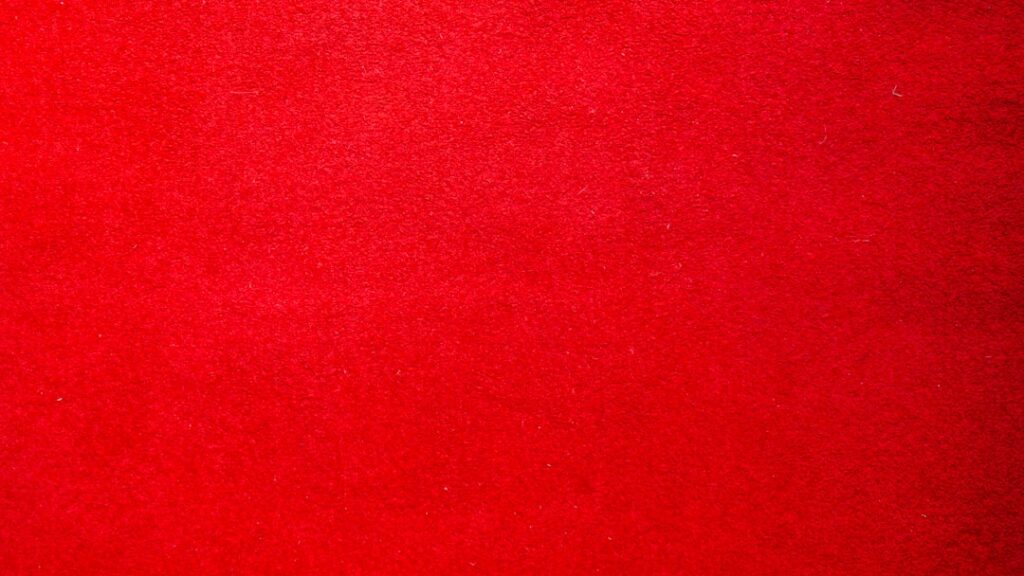
Red is unusually sensitive to surface construction. In a smooth plush, red reflects light in broad sheets, so the floor looks rich and almost satiny, leaning formal and dramatic. In a frieze, the twisted fibers scatter light in every direction, muting the intensity into a warm, casual, heathered red that feels relaxed rather than loud.
Loop carpets give red a tailored, low-key appearance because the rounded tops reflect less light. If you love a vivid, pure red, lean toward cut pile. If a brick or wine tone feels safer in your space, a textured or frieze construction will soften and ground the color naturally.
Best Textures for Each Room
Matching texture to the room is the single most useful decision you can make. Consider how each space gets used before you commit.
- Bedrooms: Plush or Saxony deliver the soft, indulgent feel you want underfoot first thing in the morning, and traffic is light enough that matting isn’t a concern.
- Living and family rooms: Textured cut pile or frieze hides daily mess and resists the crushing that comes from couches, kids, and pets.
- Stairs and hallways: Dense loop or textured cut pile holds its shape under constant footsteps and won’t telegraph every step.
- Home offices and dens: A patterned cut-and-loop adds character and disguises chair-wheel paths and dropped crumbs.
- Formal dining or entry: A tight Saxony or a sculpted pattern reads dressy and intentional, suiting a red meant to make a statement.
Durability, Density, and Twist
Two numbers tell you most of what you need to know about how a red carpet will hold up. Density measures how tightly the fibers are packed; press your fingers into the pile, and if you feel the backing easily, the carpet is loose and will crush. Twist level counts how many times each fiber is turned per inch, and a higher twist resists untangling and matting.
For a high-traffic red carpet, look for a high twist number and dense backing. Frieze styles naturally score well on twist, which is why they wear so cleanly. Fiber type matters too: nylon offers the best resilience and stain resistance for the money, while polyester (including recycled PET) shows off rich, vivid reds beautifully but flattens sooner under heavy use. Wool is luxurious and naturally resilient but commands a premium price.
Cleaning and Maintaining Your Red Carpet
Texture also dictates upkeep. Loop and frieze styles release dirt readily and tolerate regular vacuuming with a brush-and-suction machine. Deep plush and Saxony trap more debris down at the base, so they reward slow, thorough vacuuming and benefit from a beater bar set to the correct pile height.
Whatever the texture, blot spills immediately rather than rubbing, which can untwist fibers and create a permanently fuzzy spot. Test any spot cleaner on a hidden area first, since a red dye can occasionally bleed. Plan on a professional hot-water extraction every 12 to 18 months to keep the color saturated and the pile lofted. Always follow the carpet manufacturer’s cleaning instructions and warranty guidelines, because using the wrong solvent or steam temperature can void coverage.
Budgeting for Red Carpet by Texture
Texture and fiber drive price far more than color does. As a general guide, expect basic textured polyester to fall in the lower range, durable nylon cut pile and frieze in the middle, and wool Saxony at the top. Installation, padding, and removal of old flooring are usually separate line items, so ask for an all-in quote.
Material costs commonly run from roughly $2 to $7 per square foot, with premium wool reaching $10 or more, and professional installation often adds $1 to $3 per square foot. Prices vary widely by region, retailer, and current promotions, so gather two or three quotes. A slightly higher upfront spend on a denser, higher-twist texture frequently pays off, because a red carpet that resists matting keeps its showroom appeal for years longer than a cheap, loosely tufted alternative.
Making Your Final Choice
Bring sample swatches home and view them in the actual room at different times of day, since red shifts dramatically between warm evening light and cool daylight. Walk on a large sample if the store allows it, scuff it, and check how quickly the pile recovers.
The best red carpet texture is the one that matches how hard the room works while delivering the look you want, whether that’s a glamorous velvet plush or an easygoing, dirt-hiding frieze. Take your time, weigh density and twist alongside the shade, and you’ll end up with a floor that stays as striking as the day it was laid.