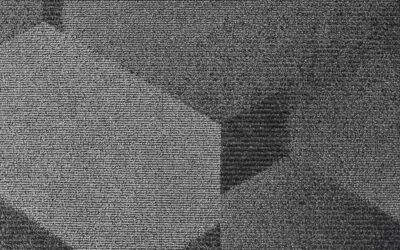
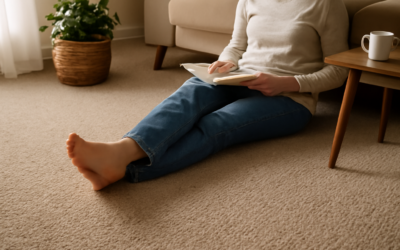
Two carpets made from identical fiber can perform and feel completely differently depending on one thing: their texture. Carpet texture refers to how the yarn is cut, looped, and twisted to form the surface you walk on, and it determines softness, durability, how visible footprints are, and which rooms a carpet suits best. Understanding the main textures helps you pick a carpet that looks great in the showroom and still looks great after years of real life. Here is how the major styles compare.
Why Texture Matters as Much as Fiber
People shop for carpet by color and softness, but texture quietly controls performance. A tightly twisted, low-pile texture hides foot traffic and resists matting, making it ideal for busy areas. A long, soft pile feels luxurious but shows every footprint and vacuum mark. The construction also affects cleaning, stain resistance, and how the carpet wears over time. Choosing the right texture for each room is the difference between carpet that ages gracefully and carpet that looks tired in a year.
Cut Pile Textures
Cut pile carpet has the yarn loops sheared at the top, creating an upright, soft surface. Within cut pile there are several distinct styles.
- Plush (velvet): Dense, smooth, and formal, with a luxurious feel, but it shows footprints and vacuum lines easily, so it suits low-traffic bedrooms and formal rooms.
- Saxony: Similar to plush with slightly longer, twisted yarns, soft and elegant but prone to showing marks and crushing.
- Textured (trackless): Yarns twisted in varied directions, which hides footprints and dirt well, making it the popular all-purpose choice for family rooms.
- Frieze (twist): Long, tightly twisted, curled fibers that create a casual, durable surface that hides traffic and wear beautifully.
Loop Pile Textures
Loop pile leaves the yarn in uncut loops, which makes for a very durable, low-profile surface. Berber is the best-known loop carpet, recognized by its level loops and often flecked color. It resists crushing and hides dirt, which makes it excellent for hallways, stairs, and busy households. The main caution with looped carpet is snagging; pet claws and sharp objects can pull a loop, so it may not be ideal for homes with active pets. Loop pile also tends to feel firmer underfoot than soft cut piles.
Cut and Loop Combinations
As the name suggests, cut and loop carpet mixes both constructions in the same carpet, combining cut tufts with looped areas to create patterns, sculpted designs, and texture. This versatile style hides dirt and footprints well thanks to the varied surface, and the patterning adds visual interest without a printed-on look. Cut and loop carpets work in many rooms and are a smart middle ground for homeowners who want durability and a bit of style without the formality of plush.
Matching Texture to the Room
Choose texture based on how hard the room works.
- Bedrooms and formal rooms: Plush or Saxony for maximum softness where traffic is light.
- Family rooms and living areas: Textured cut pile or frieze, which hide everyday wear and footprints.
- Hallways and stairs: Loop pile like Berber for crush resistance and durability.
- Homes with pets: Textured or frieze cut pile to avoid the snagging risk of loops.
- Whole-home practicality: Cut and loop for a balance of looks and durability.
Other Factors to Weigh
Texture works alongside two other numbers worth checking: density and twist level. Density measures how tightly the fibers are packed; press your fingers into a sample, and if you easily reach the backing, the carpet is less dense and will wear faster. Twist level describes how tightly each yarn is wound, and higher twist generally means better resilience. A textured or frieze carpet with high density and a tight twist will outlast a soft, loosely constructed plush in any busy space.
How Texture Affects Cleaning
The surface you choose also shapes how easy the carpet is to maintain. Dense, low-pile textures like frieze and tight loop release dirt readily and vacuum quickly, since debris does not sink deep into long fibers. Long, soft plush and Saxony trap more dust and footprints and need more frequent vacuuming to keep them looking fresh, and they show vacuum lines and crush marks that some homeowners dislike. Looped Berber resists matting and hides soil well, but spills can spread along the loops, so prompt blotting matters. Whatever the texture, a quality vacuum with adjustable height protects the pile, and regular cleaning preserves both appearance and lifespan.
Texture and Color Working Together
Texture and color influence each other more than most shoppers expect. A multi-tone or flecked color, common in Berber and many textured cut piles, hides dirt, stains, and footprints far better than a solid shade, which is why it is the go-to for busy households. Solid light colors look elegant but reveal every mark and vacuum line, so they suit low-traffic formal rooms. Textured surfaces naturally diffuse light, softening how a color reads, while smooth plush reflects light and can appear to shift shade as you walk across it. When you pick texture and color together with the room’s traffic in mind, the carpet stays looking good with far less effort.
The Bottom Line
Carpet texture shapes how your floor feels, looks, and lasts. Soft plush and Saxony reward low-traffic rooms with luxury, textured and frieze cut piles handle daily family life while hiding wear, and loop styles like Berber stand up to the busiest hallways and stairs. Match the texture to the room, check density and twist, and you will end up with carpet that stays comfortable and good-looking for years.
When you are shopping, take samples home and test them against real life rather than relying on the showroom. Walk across a sample in your sock feet to judge softness, press your fingers in to feel the density, and bend a corner back to see how visible the backing is. Set the sample on your own floor in your own lighting alongside the furniture and paint it will live with. Ask about the carpet’s traffic rating and warranty, since manufacturers often grade their textures for specific levels of use. By understanding texture, density, and twist together, you can confidently choose a carpet that matches both the look you want and the way your household actually lives.