
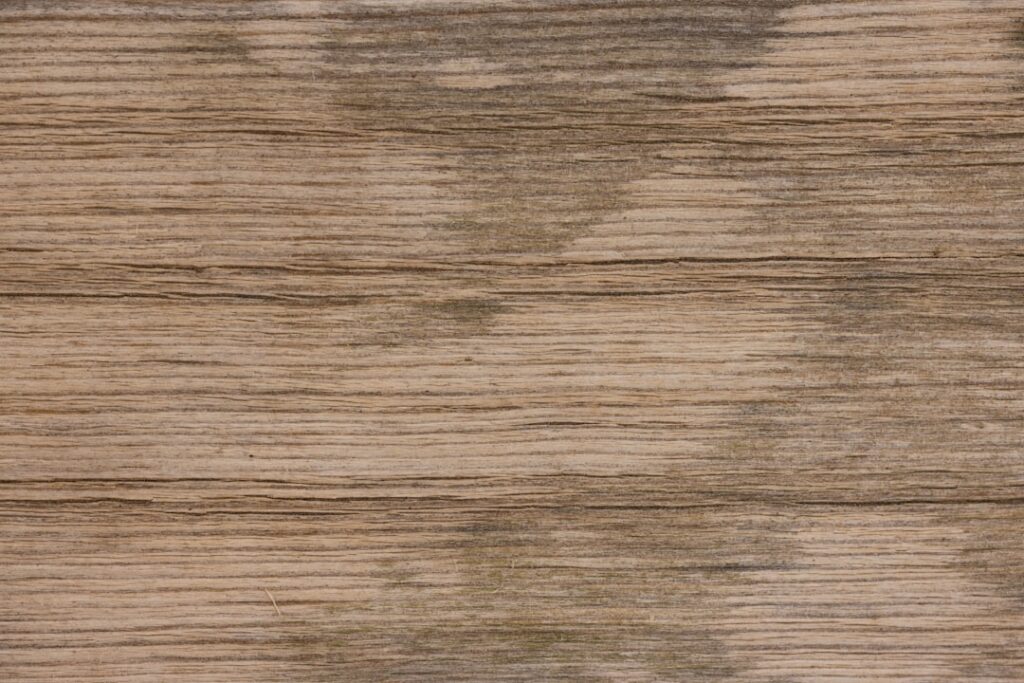
Two vinyl planks can print the exact same oak photo and look worlds apart, and the reason is almost always what you feel, not what you see. Wood vinyl flooring texture is the embossed surface that gives a plank grain you can run your fingers along, and it is the single biggest factor separating floors that pass for real hardwood from ones that read as plastic across the room. Understanding the texture options, and the terms manufacturers hide them behind, lets you buy realism instead of just a pretty picture. Here is what to look for.
- Why Texture Beats the Photo
- EIR: The Term That Matters Most
- Common Wood Texture Styles
- Sheen Level Works With Texture
- How to Judge Texture Before You Buy
- Texture, Wear Layer, and Durability
- What It Costs
- How Texture Is Manufactured
- Matching Texture to Your Room and Style
- Texture and Cleaning
- Frequently Asked Questions
Why Texture Beats the Photo
The printed image on luxury vinyl plank is genuinely good now; high-resolution scans of real boards give convincing color, grain, and knots. But a flat, glossy surface reflects light in a uniform way that your eye instantly reads as fake, because real wood has depth. Texture breaks up that reflection, catches light in the grain valleys, and gives the plank the low-sheen, dimensional look of an actual board. Texture also adds grip underfoot and helps hide fine scratches and footprints.
EIR: The Term That Matters Most
The gold standard is embossed-in-register (EIR) texture. This means the physical embossing lines up precisely with the printed grain, so the groove you feel sits exactly where the grain line is printed. Press your finger into a knot and there is an actual dip; drag it along a grain line and you feel the channel. Cheaper “embossed” vinyl has a generic texture stamped over the print that does not align with the image, which looks off on close inspection. When a product lists EIR, you are getting real registration between look and feel, and it is worth the modest upcharge.
Common Wood Texture Styles
Manufacturers borrow finish names straight from hardwood. Each mimics a way real wood is surfaced:
- Hand-scraped: Irregular, rolling grooves that imitate boards finished by hand with a drawknife. Great for rustic, farmhouse, and traditional looks, and excellent at hiding wear.
- Wire-brushed: Fine, linear grooves that pull out the grain, mimicking wood brushed to expose its texture. Reads as modern rustic and hides scratches well.
- Distressed/reclaimed: Dents, saw marks, and worm holes for a salvaged-barnwood character. The most texture-heavy look.
- Smooth/matte: Light, subtle grain with a low sheen, imitating a modern site-finished floor. Cleaner and more contemporary.
- Embossed/pebbled: A basic overall grain texture; common on budget planks and less realistic than registered options.
Sheen Level Works With Texture
Texture and gloss go hand in hand. Real hardwood floors today are usually satin or matte, not shiny. A high-gloss vinyl plank looks plasticky no matter how good the embossing is, because genuine wood rarely has that mirror shine. Look for a low-gloss or matte finish paired with EIR texture; that combination is what fools the eye. High sheen also shows every scuff and footprint, so matte wins on maintenance too.
How to Judge Texture Before You Buy
You cannot assess texture from an online photo, so get samples and use your hands:
- Feel the grain. Close your eyes and run a finger across it. Real EIR texture has grooves that match visible grain lines. Uniform, random bumps mean generic embossing.
- Tilt it to the light. Angle the plank under a lamp. Good texture creates shadow and depth in the grain; a flat plank stays uniformly reflective.
- Check the sheen. Compare against a real hardwood sample. If the vinyl is noticeably shinier, it will read as fake on the floor.
- Look at the edges. Beveled (micro-beveled) edges create the shadow line of individual boards and boost realism; painted bevel edges add color depth.
Texture, Wear Layer, and Durability
Deeper texture holds up better over time when it is protected by a thick wear layer. On a thin 6 mil wear layer, embossing can buff smooth in high-traffic lanes, and once the texture flattens the plank starts to look fake. Pair a nicely textured plank with at least a 12 mil, ideally 20 mil, wear layer so the grain stays crisp for the life of the floor. A urethane or ceramic-bead topcoat further protects the texture from abrasion.
What It Costs
Better texture usually rides along with better overall quality, so it tracks with price:
- Basic embossed planks: $1.50 to $2.50 per sq ft.
- EIR with matte finish (mid-range): $3 to $5 per sq ft.
- Premium hand-scraped or wire-brushed EIR: $5 to $8 per sq ft.
How Texture Is Manufactured
Understanding how the texture gets there explains why quality varies so much. During production, the printed film is fused to the core and then a heated press with an engraved plate stamps the surface. On budget goods, that plate carries a generic wood-grain pattern applied over any print, so the texture and image do not match. On EIR products, the press plate is engineered to align with a specific print design, so the embossed grooves land exactly on the printed grain and knots. Some premium lines add painted bevels and multiple print faces per box to complete the illusion. This extra tooling and registration is why EIR planks cost more, and why they look and feel so much more like real wood.
Matching Texture to Your Room and Style
The right texture depends on both aesthetics and traffic. For a formal, contemporary space, a smooth or lightly wire-brushed matte plank reads clean and modern. For a farmhouse, rustic, or high-traffic family home, hand-scraped and distressed textures not only fit the style but hide scratches, dents, and daily wear far better because the busy surface camouflages imperfections. Households with big dogs or heavy foot traffic benefit from more texture for exactly this reason. If you want the floor to look freshly refinished for years with minimal fuss, a textured matte plank with a thick wear layer is the most forgiving choice; a smooth high-gloss plank will show every scuff.
Texture and Cleaning
Deeper textures trap slightly more dust in the grain valleys, but the practical difference is small. Regular sweeping or vacuuming (on a hard-floor setting, no beater bar) keeps grooves clear, and a damp microfiber mop with a pH-neutral cleaner handles the rest. Avoid steam mops and abrasive scrubbers, which can wear the texture and dull the finish over time. The payoff for that tiny bit of extra dusting is a floor that hides scratches and footprints and holds its realistic wood look for years, which most homeowners find well worth it.
Frequently Asked Questions
What does EIR mean on vinyl flooring?
EIR stands for embossed-in-register, meaning the physical texture is aligned precisely with the printed grain. The grooves you feel sit exactly where the grain is printed, which gives a far more realistic look and feel than generic embossing that does not match the image.
Is textured vinyl harder to clean?
Slightly. Deep hand-scraped or distressed textures can trap a little more dust in the grooves, but a normal sweep and damp mop handles it. The trade-off is worth it, since texture hides scratches and footprints better than a smooth, glossy surface.
Does more texture mean more slip resistance?
Generally yes. A textured, matte surface provides more grip underfoot than a smooth, high-gloss plank, which is a bonus in kitchens and entries. It is not a substitute for a rated slip-resistant floor in truly wet commercial areas, but it helps at home.
Which texture looks most like real hardwood?
An EIR wire-brushed or lightly hand-scraped texture with a matte or satin sheen and micro-beveled edges is the most convincing. It matches how most real hardwood is finished today and creates the light-catching depth that flat, glossy planks lack.
When you shop wood-look vinyl, the printed image will be good on almost everything; the texture is where the money shows. Get samples, feel for EIR grain that matches the print, insist on a matte sheen and beveled edges, and back it with a 12 to 20 mil wear layer so the texture lasts. Do that and your vinyl will convince guests it is the real thing underfoot.
Prefer to explore on your own?
See how new flooring looks in your actual room in seconds — free, no signup.
Try the free Floor Studio →

