In a world of glassy, perfectly smooth floors, the appeal of a rugged, textured surface keeps growing, and rough flooring answers that desire for character you can feel underfoot. Whether it is saw-cut hardwood, wire-brushed oak, or genuinely reclaimed barn wood, rough-textured flooring trades flawless uniformity for warmth, depth, and a lived-in story. It hides scuffs and wear beautifully and adds rustic personality that polished floors simply cannot. The trick is choosing the right kind of texture for your space and lifestyle.
What “Rough” Flooring Means
Rough flooring is a design category defined by deliberate surface texture rather than a single product. Instead of sanding boards perfectly smooth, manufacturers and craftsmen leave or create texture that catches light and feels tactile. The result ranges from subtly brushed to dramatically hand-hewn.
Worth a quick note: in construction, “rough flooring” can also mean the rough subfloor or structural sheathing beneath a finished floor. That is a different, behind-the-scenes meaning. This guide focuses on the popular, visible sense, rustic and textured finished flooring you actually live on.
The Main Rough-Texture Styles
Several techniques create the rough, rustic look, each with its own character.
- Wire-brushed: Wire brushes scrape away the soft grain, leaving the hard grain raised. The result is a subtle, hard-wearing texture that highlights the wood’s natural figure and hides scratches.
- Saw-cut (band-sawn): Visible saw marks left across the surface for a raw, mill-fresh look that reads industrial and authentic.
- Hand-scraped: Each board is scraped to mimic old hand-finished floors, giving gentle waves and an antique, artisan feel.
- Distressed: Intentional dents, scrapes, and wear marks simulate decades of use, hiding real future wear in the process.
- Reclaimed wood: Genuinely old timber salvaged from barns, factories, and warehouses, full of authentic patina, nail holes, and natural texture.
The Advantages
Rough flooring earns its popularity with practical perks on top of its looks.
- Hides wear brilliantly: Texture and variation camouflage scratches, dents, and dirt that would show on a smooth glossy floor, ideal for busy homes, kids, and pets.
- Warm, characterful look: Rustic texture adds depth, story, and personality that flat floors lack.
- Slip resistance: Textured surfaces can offer slightly better grip than slick polished floors.
- Eco appeal (reclaimed): Reclaimed and salvaged wood reuses existing timber, a strong sustainability story.
- Forgiving over time: New scuffs blend into the existing character rather than standing out.
The Honest Drawbacks
Rough textures come with real trade-offs. Cleaning is the most common complaint: deep grooves, saw marks, and crevices trap dust and grime that a flat floor wouldn’t, so heavy textures need more thorough sweeping and care to keep clean. Barefoot comfort can suffer too, since aggressive textures feel coarse and may snag socks.
Cost and consistency vary widely. Genuine reclaimed wood is often expensive and limited in supply, with variable quality and sometimes hidden issues like old fasteners or pests if not properly processed. Manufactured rough textures are more consistent but range from convincing to cartoonish, so quality matters. And not every interior suits a rustic floor; in a sleek modern space, heavy distressing can look out of place. Choose the texture intensity to match both your decor and your tolerance for cleaning.
Materials That Take a Rough Finish
Rough textures appear across several flooring materials, not just solid hardwood.
- Solid and engineered hardwood: The classic home for wire-brushed, saw-cut, and hand-scraped finishes, with oak and hickory especially popular.
- Luxury vinyl and laminate: High-end LVT and laminate now reproduce wire-brushed and reclaimed textures convincingly, with waterproofing and lower cost as bonuses.
- Reclaimed timber: Authentic salvaged wood, the most characterful but most demanding option.
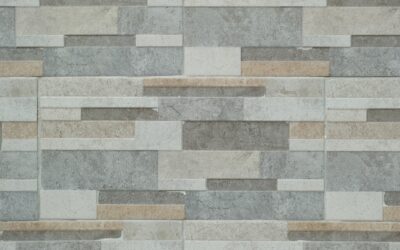
- Textured tile and concrete: Porcelain wood-look tile and brushed or broom-finished concrete deliver rough texture in wet-prone areas.
Buying Guide: What to Look For
Match texture intensity to your room, then verify quality.
- Texture depth: Choose subtle wire-brushing for easier cleaning and modern-rustic looks; reserve heavy saw-cut and deep distressing for statement spaces.
- Material and durability: For wet or busy areas, consider textured LVT or porcelain; for authenticity, choose real or reclaimed wood.
- Finish protection: Look for durable matte finishes (oil or quality lacquer) that suit the rustic look and protect the wood.
- Reclaimed sourcing: If buying reclaimed, confirm the wood is properly cleaned, de-nailed, kiln-dried, and pest-treated.
- Sample in your light: Texture changes how color reads, so view samples in your own room before deciding.
Expect textured engineered hardwood around $6 to $12 per square foot, textured LVT and laminate roughly $2.50 to $6, and genuine reclaimed wood often $10 to $20-plus depending on species and provenance.
Installation and Care
Installation follows the same rules as the underlying material, float, glue, or nail depending on the product and subfloor, with reclaimed wood often needing extra prep and milling. Acclimate real wood and keep indoor humidity between 35 and 55 percent.
For care, sweep or vacuum often to keep grit out of the texture, and clean with the appropriate product for your material, avoiding excess water on wood. Microfiber tools reach into grooves better than a flat mop. Maintained sensibly, rough flooring delivers warmth, character, and forgiving good looks that only improve with the inevitable marks of daily life.
Matching Rough Flooring to Your Decor
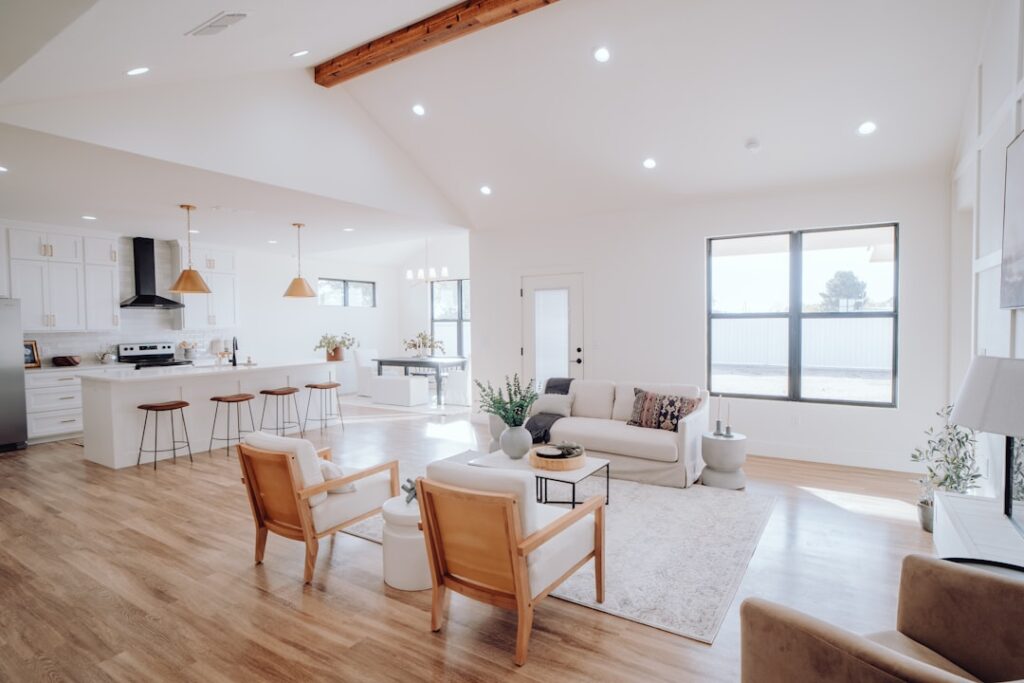
Rough textures span a wide stylistic range, so the intensity you choose should suit the room. Subtle wire-brushing complements modern and transitional interiors, adding tactile interest without looking overtly rustic, and it pairs well with clean-lined furniture and neutral palettes.
Heavier saw-cut, hand-scraped, and reclaimed looks lean farmhouse, industrial, or rustic, and they shine in spaces that embrace that character, exposed beams, mixed metals, vintage pieces. In a sleek contemporary room, an aggressively distressed floor can feel mismatched, while in a cabin or loft it feels exactly right. Order samples and view them with your furniture and wall colors before committing, since texture changes how the floor’s tone reads in your light.
Authentic Reclaimed vs Manufactured Looks
One of the biggest decisions is whether to buy genuine reclaimed wood or a manufactured product that imitates the rough, aged look. Each has clear pros and cons worth weighing honestly.
- Authentic reclaimed: Unmatched character, real patina, and a strong sustainability story, but higher cost, variable supply, and the need for proper cleaning, de-nailing, and pest treatment.
- Manufactured rough hardwood: Consistent quality and easier sourcing with convincing texture, at a more predictable price.
- Rough-look LVT and laminate: The most affordable and waterproof, with textures that range from very realistic to obviously printed, so quality matters.
If authenticity and story drive you, reclaimed is worth the premium and the extra care. If you want the look with less cost and fuss, a quality manufactured rough hardwood or high-end textured LVT delivers most of the character with far fewer surprises.
Prefer to explore on your own?
See how new flooring looks in your actual room in seconds — free, no signup.
Try the free Floor Studio →