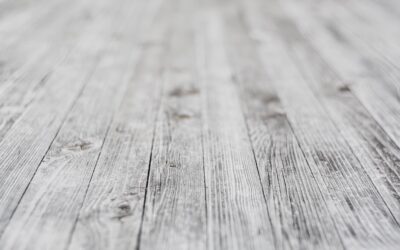
The hand-scraped, weathered look of an old barn floor used to require reclaimed wood, hours of labor, and a tolerance for splinters and gaps. Today, distressed vinyl flooring delivers that same rustic, lived-in character through high-definition printing and embossed texture, while staying completely waterproof, scratch-resistant, and easy to clean. It’s the floor for anyone who loves the warmth and story of aged, reclaimed, or hand-scraped wood but doesn’t want to deal with the upkeep, cost, or unevenness of the real thing.
What makes modern distressed vinyl convincing is the marriage of realistic visuals with genuine surface texture, so the floor doesn’t just look weathered, it feels weathered under bare feet.
What “Distressed” Actually Means
Distressed flooring imitates the natural wear, marks, and irregularities that wood develops over decades of use. Rather than a smooth, uniform plank, you get character: knots, saw marks, color variation, scrapes, and the slightly uneven surface of timber that has lived a long life. On vinyl, all of this is engineered in rather than earned over time.
The look spans several distinct styles, and knowing the difference helps you pick the right vibe for your space.
- Hand-scraped: Long, sweeping gouges mimicking timber smoothed by hand tools, for an old-world, artisanal feel.
- Wire-brushed: Fine texture that highlights the grain, subtle and contemporary while still tactile.
- Reclaimed/barnwood: Heavy weathering, color variation, nail holes, and a salvaged, rustic look.
- Antique/aged: Softened edges, patina, and gentle wear for a refined, time-worn character.
The Role of EIR Texture
The single most important feature in convincing distressed vinyl is EIR, or Embossed In Register texture. This means the physical surface texture is precisely aligned with the printed image, so when you see a knot or a scrape, you actually feel the corresponding dip or ridge. Your hand and your eye get the same message, which is what fools the brain into reading vinyl as real wood.
Cheaper distressed vinyl uses a generic embossing pattern that doesn’t line up with the print, and the illusion falls apart up close. When you’re shopping specifically for a rustic, weathered look, EIR is the spec to insist on, because the entire appeal depends on texture realism.
Where Distressed Vinyl Shines
Because vinyl is waterproof and tough, distressed LVP lets you put a rustic wood look in places where real reclaimed wood would be a maintenance nightmare. Kitchens get the farmhouse charm without worrying about spills swelling the boards. Bathrooms and mudrooms gain warm, weathered character that shrugs off moisture.
It’s a natural fit for farmhouse, rustic, industrial, and cottage interiors, and the busy, varied surface has a practical bonus: it hides everyday scuffs, dirt, pet scratches, and dropped crumbs far better than a smooth, uniform floor. For high-traffic family homes, that forgiveness is a real advantage.
Formats and Durability
Distressed vinyl comes in the usual luxury vinyl plank constructions, and the choice affects feel and installation.
- Rigid-core (SPC/WPC): The most popular for distressed looks, with a solid feel, dent resistance, and click-together installation over imperfect subfloors.
- Flexible glue-down LVP: Lies flat and thin, a good choice over stable, level subfloors.
- Plank dimensions: Longer, wider planks enhance the reclaimed-wood look by showing more variation per board.
Look for a wear layer of at least 12 to 20 mil, and choose products with multiple plank designs (a dozen or more) so the floor doesn’t repeat the same “weathered” board across the room.
Pros and Cons
- Pro: Authentic rustic character with full waterproofing and easy cleaning.
- Pro: Textured, varied surface hides scratches, dirt, and everyday wear.
- Pro: Far cheaper and easier to install than real reclaimed or hand-scraped wood.
- Con: Deep textures can trap dirt in the grooves and need occasional thorough cleaning.
- Con: Lower-quality products with non-registered embossing look obviously fake up close.
- Con: Very heavy distressing isn’t for everyone; some prefer a cleaner, smoother look.
Cleaning Textured Vinyl
The deep, realistic texture that makes distressed vinyl so convincing is also the one thing that changes how you clean it. Smooth vinyl wipes clean in seconds; a heavily hand-scraped or wire-brushed surface has grooves and valleys that can trap dust and grime if you only run a flat mop across the top.
The fix is simple. Vacuum regularly with the beater bar switched off so the bristles can lift dirt out of the texture, and when you mop, use a slightly damp microfiber and a pH-neutral cleaner rather than a sopping-wet mop that just pushes water into the grooves. For built-up grime in deep textures, an occasional pass with a soft-bristled brush works the cleaner into the low points. Avoid abrasive pads and steam, which can wear the finish and force moisture into seams. With this small adjustment to your routine, a distressed floor stays looking rich rather than dingy.
Cost and Choosing Well
Distressed LVP typically runs $2.50 to $5.50 per sq ft for the material, a fraction of reclaimed hardwood, which can exceed $10 to $20 per sq ft before the labor-intensive installation. The savings on installation and ongoing maintenance widen the gap further.
When you shop, always look at several planks together in good light and run your hand across the surface. The realism of distressed vinyl flooring lives in the texture, so a floor that looks great in a photo but feels like smooth plastic will disappoint. Choose registered embossing, a generous wear layer, and plenty of plank variation, and you’ll get a rustic, characterful floor that captures the soul of aged wood while being far easier to live with than the real thing.
Color choice plays a big role in how the distressing reads. Lighter, gray-washed, and driftwood tones lean coastal and contemporary, with the weathering coming across as soft and sun-bleached. Mid-brown and honey tones with visible scrapes feel classically rustic and farmhouse. Deep, dark distressed planks with heavy graining read as dramatic and old-world, suiting industrial and traditional interiors alike. Whatever direction you choose, mixing several plank designs across the floor and staggering the joints randomly prevents the eye from spotting repeated “weathered” boards, which is the single biggest giveaway of a cheap installation. Done right, the floor looks like genuinely reclaimed timber that’s been quietly aging in place for decades.
Prefer to explore on your own?
See how new flooring looks in your actual room in seconds — free, no signup.
Try the free Floor Studio →