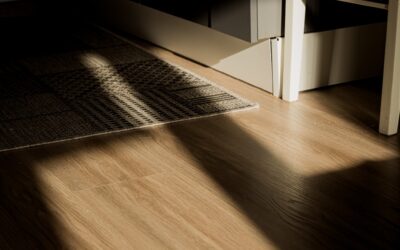
If you love the look of a hundred-year-old barn floor but not the splinters, gaps, and upkeep, distressed vinyl plank flooring delivers the weathered charm without the headaches. These planks are printed and textured to mimic reclaimed, hand-scraped, and time-worn hardwood, complete with knots, saw marks, and color variation. The best part is practical: all that visual busyness hides scratches, dents, and everyday dirt far better than a smooth, uniform floor ever could. Here is what to know before you buy.
What Makes a Plank “Distressed”
Distressed styles recreate the marks that real wood earns over decades. Manufacturers build this character into distressed vinyl plank flooring through a combination of high-resolution printing and physical surface texture. The common effects you will see include:
- Hand-scraped texture: gentle undulations that mimic old planed-by-hand boards.
- Wire-brushed grain: raised grain lines that add depth and a tactile feel.
- Saw marks and cracks: printed knots, splits, and mineral streaks for reclaimed character.
- Color variation plank to plank: mixed tones that read like salvaged wood from many sources.
The goal is an authentically imperfect look, the opposite of the flat, repetitive vinyl of a decade ago.
Texture Realism: How Good Is It Now?
Modern LVP has come a long way, and the realism is the main thing to evaluate. The key feature is embossed-in-register texture, where the physical surface bumps line up precisely with the printed grain. Run your hand across a good distressed plank and the dips and ridges match the visual wood pattern, so it feels like wood, not a photo under plastic.
Cheaper products print a distressed image but emboss a generic texture that does not align, and the illusion breaks the moment you touch it or catch it in raking light. When shopping, request samples, feel them in daylight, and look for embossed-in-register or EIR construction. That single feature separates convincing distressed vinyl from the fake-looking stuff.
The Practical Advantage: Hiding Wear
Beyond looks, distressed finishes are genuinely functional. A busy, varied surface camouflages the scratches, scuffs, pet claw marks, and dust that show glaringly on smooth, dark, or uniform floors. New dings blend into the intentional distressing, so the floor looks good longer between cleanings and forgives an active household.
This makes distressed vinyl plank a smart pick for high-traffic and messy zones: entryways, kitchens, family rooms, and homes with dogs and kids. What would be an obvious flaw on a glossy plank simply disappears into the rustic pattern.
Choosing a Style That Fits Your Home
Distressed does not mean one look. The category spans a wide range of moods, so match it to your decor:
- Reclaimed barnwood: gray-brown tones with heavy character for farmhouse and rustic-industrial spaces.
- Weathered coastal: soft grays and whitewashed tones for airy, relaxed interiors.
- Hand-scraped traditional: warm browns with subtle scraping for classic, cozy rooms.
- Rustic oak and hickory: pronounced grain and knots for a lived-in, natural feel.
Wider planks, often 7 inches and up, and longer lengths enhance the reclaimed-wood illusion and suit open spaces, while narrower boards feel more traditional.
What to Look For When Buying
Not all vinyl is built the same underneath the pretty surface. Beyond texture, check these specs so your floor performs as well as it looks:
- Wear layer: aim for 12 mil or more for residential, 20 mil for busy or pet-heavy homes.
- Core type: rigid SPC or WPC cores resist dents and handle uneven subfloors better than flexible glue-down.
- Overall thickness: thicker planks feel more substantial and quieter underfoot.
- Waterproof rating: most rigid-core LVP is fully waterproof, ideal for kitchens and baths.
A convincing distressed print on a thin wear layer will look great briefly and abrade fast, so do not choose on looks alone.
Distressed Vinyl vs. Real Reclaimed Wood
It is worth being honest about how distressed vinyl compares to the authentic reclaimed wood it imitates. Genuine reclaimed barnwood carries real history, unrepeatable character, and the ability to be sanded and refinished, but it also brings splinters, gaps, uneven thickness, possible pests, high cost, and demanding installation. Distressed vinyl gives you the look without those headaches:
- Waterproof where real reclaimed wood swells and warps.
- Consistent thickness and flat backs for easy click-lock installation.
- No splinters, nails, or surprises hiding in salvaged boards.
- A fraction of the cost of sourcing and milling true reclaimed lumber.
The trade is that vinyl cannot be refinished and lacks the provenance collectors prize. For most homeowners chasing the rustic look for daily living, the practical wins outweigh the romance.
Matching Grout and Trim
Distressed planks look their best when the surrounding details support the rustic theme. Choose transition strips, quarter round, and stair nosing in a coordinating finish rather than a jarring bright white, so the eye stays on the floor. If you are running the vinyl into a tiled area, a matching or bronze-toned T-molding keeps the rustic feel intact across the threshold.
Because distressed styles carry so much color variation, they pair flexibly with both warm and cool wall colors. Warm greige and cream walls amplify the cozy reclaimed feel, while crisp white or soft sage keeps things fresh and modern-farmhouse. Bring a plank sample home and test it against your walls and cabinetry before committing to a whole room.
Installation and Upkeep
Most distressed vinyl plank uses a click-lock floating system that installs over most existing hard surfaces with minimal prep, well within reach of a confident DIYer. The textured surface cleans with regular sweeping and a damp mop; the grooves can hold a bit more dust than a smooth floor, so a vacuum with a hard-floor setting helps in deeply textured styles.
When you order, always buy an extra box or two beyond your square footage. Dye lots and print runs shift over time, so a plank purchased a year later to patch a damaged board may not match. Keeping spares from the same lot means an invisible repair down the road. Store them flat in a climate-controlled space so they stay dimensionally stable and ready to click in when you need them.
Avoid steam mops and harsh abrasives, which can dull the finish over time. Rugs and mats add both style and protection: place them at entry points to trap grit before it reaches the floor, and use felt pads under furniture legs to prevent dents in the soft wear layer. Choose rug backings labeled safe for vinyl, since some rubber and latex backings can react with the surface and leave permanent yellow staining. A quick test with a hidden corner before laying a large rug saves an unpleasant surprise later. Otherwise, distressed vinyl plank flooring is about as low-maintenance as flooring gets, giving you the soul of a reclaimed wood floor with the toughness and easy care of modern vinyl.
Prefer to explore on your own?
See how new flooring looks in your actual room in seconds — free, no signup.
Try the free Floor Studio →