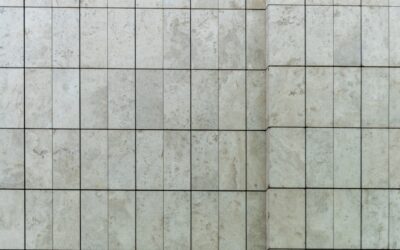
Few surfaces transform a room as quickly as a wall or backsplash dressed in shimmering metal. Metallic tile brings a reflective, light-catching quality that flat ceramic simply cannot match, and it has moved from high-end hotel lobbies into ordinary kitchens and bathrooms over the past decade. If you want a finish that reads as luxurious without a full renovation, this is one of the most efficient upgrades you can make.
Part of our Tile & Grout guide — explore the full guide →
Before you commit, it helps to understand what these tiles actually are, where they perform well, and where their shine can become a liability. This guide walks you through materials, finishes, realistic pricing, installation, and the maintenance habits that keep that metal looking new for years.
What Metallic Tile Actually Is
The term covers several very different products that share one trait: a metal-like surface. True solid-metal tiles are stamped or cast from stainless steel, copper, aluminum, or bronze, and they feel cool and heavy in the hand. Far more common, and much more affordable, are tiles that only look metallic. These include ceramic or porcelain bases coated with a metallic glaze, glass tiles backed with foil or paint, and resin tiles with embedded metal powder.
Each construction behaves differently. Solid copper develops a living patina that shifts toward brown and green over time, which some homeowners prize and others dislike. Glazed porcelain holds a fixed color and resists tarnish, making it the low-maintenance choice. Knowing which type you are buying matters more than the marketing photo, so always check the product specification sheet for the actual base material.
Popular Finishes and Looks
Finish drives the entire mood of the installation. A polished mirror surface throws light aggressively and emphasizes any unevenness in your wall, while a brushed or satin finish softens reflections and hides fingerprints far better. Many homeowners underestimate how much a high-gloss metal will reveal dust and water spots in daily use.
- Polished: bright, mirror-like, dramatic; shows smudges and needs frequent wiping.
- Brushed/satin: directional grain, subdued shine, far more forgiving day to day.
- Antiqued or oxidized: mottled, aged appearance that hides wear and adds character.
- Iridescent: color shifts with the viewing angle, common on glass mosaics.
Shape and format expand the options further. You will find penny rounds, hexagons, classic subway rectangles, herringbone mosaics on mesh sheets, and large-format panels. Mosaic sheets are by far the most popular for residential projects because they install quickly and forgive minor layout mistakes.
Best Places to Use It
Vertical surfaces are where metallic tile shines, both literally and practically. Kitchen backsplashes top the list, since the reflective surface bounces light around the work zone and wipes clean of grease with a damp cloth. Bathroom accent strips, niche backings, fireplace surrounds, and a single feature wall behind a vanity all make strong showcases without overwhelming a space.
Flooring is a more cautious recommendation. Solid-metal and metallic-glazed porcelain rated for floors do exist, but polished surfaces become slippery when wet and scratch under grit and furniture. If you want metal underfoot, limit it to low-traffic powder rooms or use it as a decorative inlay border rather than a full floor, and confirm the tile carries a floor-rated slip resistance value.
Cost and Budget Expectations
Pricing spans an enormous range depending on whether you choose real metal or a look-alike. As a general estimate, metallic-glazed porcelain and glass mosaics tend to run roughly $8 to $25 per square foot, while solid stainless steel or copper tiles often climb to $30 to $75 per square foot or more. Specialty handmade or antiqued pieces can exceed that.
Remember that the tile itself is only part of the total. Professional installation typically adds $7 to $15 per square foot depending on your region and the complexity of the pattern, and intricate mosaics cost more to set than plain field tile. Budget for thinset, grout, edge trim, and a sealer if your product requires one. A modest backsplash of 25 to 30 square feet remains an achievable weekend-scale project for many homeowners.
Installation Basics
Solid-metal tiles demand special handling that surprises many first-time installers. They usually require a specific adhesive recommended by the manufacturer, cannot be cut with a standard wet saw without scratching, and may need metal-cutting tools or a carbide blade. Glazed porcelain and glass, by contrast, install much like any other tile with a notched trowel and thinset.
- Confirm the wall is clean, flat, and primed; reflective tiles magnify any bump or dip.
- Use the adhesive the manufacturer specifies, since some metals react with standard mortar.
- Dry-lay a section first to plan cuts and keep the reflective grain running consistently.
- Apply grout carefully and wipe haze promptly, because dried grout film dulls the shine.
- Seal porous metals or natural-stone-backed mosaics per the product instructions.
If your project involves a full wall of real metal, electrical outlets, or floor applications, hire an experienced tile setter. The material cost is high enough that a botched cut becomes an expensive mistake, and a licensed professional will guarantee the layout and waterproofing.
Cleaning and Long-Term Care
Routine cleaning is simple but should be gentle. Wipe the surface with a soft microfiber cloth and a mild, pH-neutral cleaner; skip abrasive pads, steel wool, and harsh acidic or ammonia-based products, all of which can scratch finishes or strip protective coatings. For solid copper or brass, you can either polish the metal to restore brightness or leave it to patina naturally, depending on the look you want.
Water spots and fingerprints are the most common complaints with polished metal, so a quick buff after cleaning keeps things crisp. In bathrooms, run the exhaust fan to limit moisture, and reapply sealer on porous products according to the maker’s schedule, often every year or two. Treated well, a quality installation holds its finish for the long haul.
Is Metallic Tile Right for You?
The decision comes down to your tolerance for upkeep and your design goals. If you love a glamorous, reflective accent and do not mind the occasional wipe-down, a polished mosaic backsplash delivers high impact for a reasonable investment. If you want metal that ages gracefully with almost no fuss, choose a brushed or antiqued finish on a porcelain or glass base.
Used as an accent rather than wall-to-wall coverage, this material adds real personality and a sense of craftsmanship to a room. Order a sample, view it in your own lighting at different times of day, and you will quickly know whether the shine works for your space. A thoughtfully placed run of metallic tile can become the detail guests remember most.
Prefer to explore on your own?
See how new flooring looks in your actual room in seconds — free, no signup.
Try the free Floor Studio →