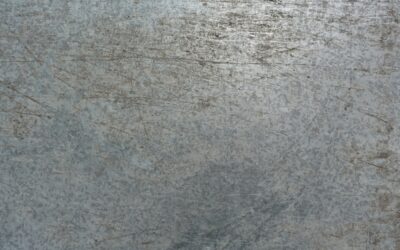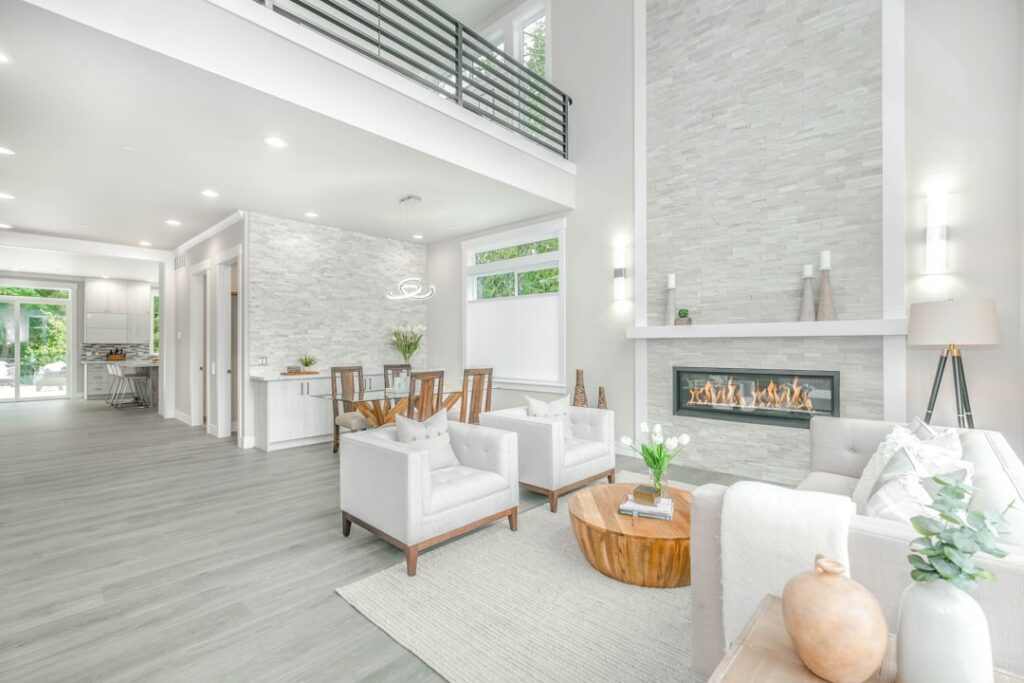
Walk into any paint store and you will find dozens of greys, but the metallic versions are easy to miss because most are stocked with specialty finishes rather than standard interior lines. Grey metallic paint reflects light differently from flat or eggshell finishes, creating depth that flat paints cannot achieve. Used correctly, it transforms an accent wall, furniture piece, or front door from ordinary to architectural. Used incorrectly, it looks like a botched auto-body job.
Part of our Paint & Walls guide — explore the full guide →
What Makes Paint Metallic
Metallic paints contain suspended flakes of aluminum, mica, or pearl pigments that reflect light back through the binder. Aluminum flakes give the strongest mirror effect and the most pronounced color shift between viewing angles. Mica produces a softer, more pearlescent sheen. Pearl pigments fall somewhere between.
Flake size determines the look. Coarse flakes (around 100 to 200 microns) create a chunky, automotive shimmer that reads industrial. Fine flakes (under 50 microns) produce a smooth metallic surface that looks more like brushed steel. For interior walls, fine flake is almost always the better choice.
Best Brands to Consider
Modern Masters Metallic Paint
Modern Masters dominates the decorative metallic market. Pewter, Platinum, and Smoke are the three grey metallics worth knowing. A quart covers about 75 square feet at proper coverage and runs $30 to $42. Water-based, low-odor, and forgiving for DIY application.
Benjamin Moore Studio Finishes Metallic Glaze
Benjamin Moore’s metallic glaze layers over a base color to create depth. The Silver Reflection and Pewter Patina options work beautifully over a charcoal or warm grey base. Plan on $48 to $58 per quart plus the base coat.
Sherwin-Williams Faux Impressions Metallic
Sherwin’s Argentum Silver and Pewter shades come tinted from the can. Coverage is decent at 75 to 100 square feet per quart, and pricing lands around $40 per quart. Available at any SW store, which makes color matching easier than mail-order specialty brands.
Rust-Oleum Metallic Accents
For furniture and small accent projects, Rust-Oleum’s Metallic Accents line costs $14 to $18 per quart and dries to a hard, durable finish. Not the best choice for walls because the coarse flakes and quick dry time create lap marks, but excellent for cabinet hardware, light fixtures, and table bases.
Choosing the Right Grey Tone
Metallic paints shift dramatically based on lighting and underlying base color. The same Modern Masters Pewter applied over white primer looks bright silver in daylight and warm taupe in incandescent light. Painted over a charcoal base coat, it reads as deep gunmetal.
- Cool greys (blue-undertone): work in modern, minimalist spaces with white trim
- Warm greys (taupe-undertone): pair with wood floors and traditional decor
- Neutral mid-greys: safest choice for resale and accent walls
- Charcoal metallics: dramatic in powder rooms and entry foyers; needs strong lighting
Always sample at least three options on poster board, then move them around the room at different times of day. Metallic paint can look completely different from morning to evening.
Surface Preparation Is Non-Negotiable
Metallic finishes magnify every flaw in the underlying surface. A small dent that disappears under flat latex becomes a glaring shadow under metallic light reflection. Skim coat any wall imperfections with joint compound, sand to 220 grit, and prime with a tinted primer that matches the metallic undertone.
For furniture, sand to bare wood or use a deglosser like Krud Kutter Gloss-Off, then prime with a quality bonding primer like Zinsser BIN. Skipping primer guarantees adhesion failure within a year.
Application Techniques That Work
Roll on the base coat with a standard 3/8-inch nap roller. For the metallic top coat, switch to a 1/4-inch microfiber roller, which lays the flakes flatter and reduces stipple. Apply two thin coats rather than one thick coat. Thick coats trap flakes in vertical orientation, killing the reflective effect.
Maintain a wet edge by working in three-foot sections from ceiling to floor. Metallic paints dry faster than standard latex and show lap marks brutally if you stop in the middle of a wall.
The Crosshatch Method
After rolling each section, immediately back-roll in the opposite direction with the same roller. This randomizes flake orientation and eliminates the directional sheen that makes amateur metallic jobs look striped. Some pros follow with a final light brush stroke using a high-quality synthetic brush for an even softer look.
Sealing the Finish
Most water-based metallic paints do not require a topcoat for walls, but high-traffic areas like powder rooms and kitchens benefit from a clear water-based polyurethane like Minwax Polycrylic in matte. Use matte specifically; gloss topcoats fight the metallic sheen and create a cloudy appearance.
For furniture, two coats of polycrylic protect against handprints and surface wear without obscuring the metallic depth.
Where Grey Metallic Works Best
Accent walls behind beds, dining room feature walls, powder room walls, fireplace surrounds, and built-in cabinet interiors all benefit from metallic finishes. The reflective quality bounces ambient light into corners that flat paint would swallow.
Avoid metallic paint on full-room treatments unless the space has excellent natural light. In a dim room, even a bright silver metallic ends up looking dull and the wow factor disappears.
Budget and Timeline Expectations
A typical 12-by-14-foot accent wall project costs $80 to $140 in materials (primer, base coat, metallic topcoat, roller covers, and brushes) and takes a weekend with full drying time. Hiring a decorative painter for the same wall runs $400 to $900 depending on region.
Grey metallic paint rewards careful prep and proper technique with a finish that looks expensive and architectural. Cut corners on either and the result reads cheap. Sample first, prep thoroughly, and apply thin coats with a back-roll, and the project will hold up for a decade or longer.