Classic white subway tile has been the safe default for a century, but homeowners craving personality without chaos keep landing on the same answer. Blue subway tile delivers that hit of color while keeping the timeless, rectangular shape that never goes out of style. From soft sky tones to deep navy, blue brings warmth and character to backsplashes and shower walls without the risk of a trendy pattern you will regret in five years. The key is choosing the right shade, finish, and layout for your space.
Part of our Tile & Grout guide — explore the full guide →
- Why Blue Works So Well
- Choosing Your Shade of Blue
- Glossy vs. Matte Finish
- Best Places to Use Blue Subway Tile
- Layout Patterns That Shine
- Picking the Right Grout
- What Blue Subway Tile Costs
- Ceramic vs. Porcelain vs. Glass
- Pairing Blue Tile With Your Palette
- Design Ideas to Try
- Installation Considerations
- Care and Maintenance
Why Blue Works So Well
Blue is one of the most versatile colors in tile because it spans so many moods. Pale blues feel airy and coastal, mid-tones read cheerful and classic, and deep navies bring a moody, sophisticated edge. Because subway tile keeps the shape simple and familiar, even a bold blue feels grounded rather than overwhelming. That balance of color and restraint is why designers reach for it again and again.
Choosing Your Shade of Blue
The right blue depends on your room’s light and palette:
- Light blue and powder blue: Brighten small or low-light kitchens and baths, pairing well with white cabinets and brass hardware.
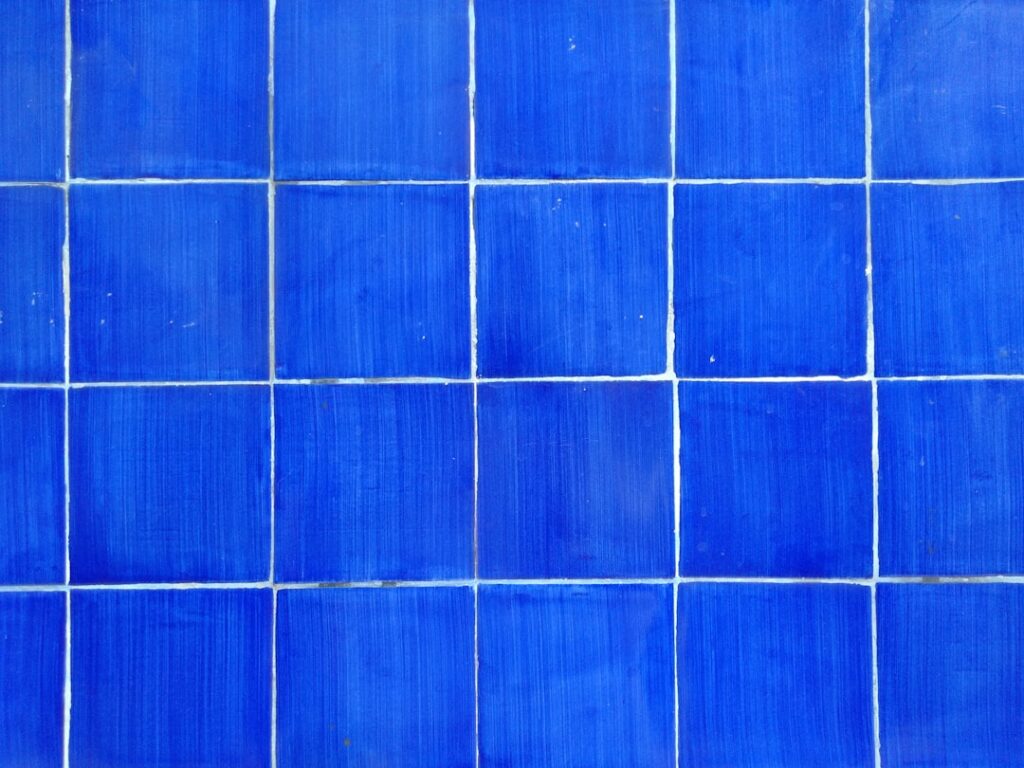
- Cobalt and true blue: Make a vivid statement, beautiful against white or natural wood.
- Navy and indigo: Add depth and drama, stunning with gold fixtures or as a dark anchor below white uppers.
- Teal and blue-green: Bring a vintage or coastal vibe, especially in handmade-look tiles.
Glossy vs. Matte Finish
Finish dramatically changes the look. Glossy blue tile reflects light, intensifies the color, and reads crisp and clean, which is why it is the most popular choice for backsplashes. Matte finishes are softer and more contemporary, hiding water spots and fingerprints better, an advantage in busy kitchens. Handmade or crackle-glaze tiles add subtle variation and an artisanal, old-world feel that mass-produced tile cannot match.
Best Places to Use Blue Subway Tile
This tile is at home throughout the house:
- Kitchen backsplash: The most popular use, adding color behind a range or sink.
- Bathroom walls and showers: Glazed ceramic and porcelain handle moisture beautifully.
- Laundry and mudrooms: A durable, easy-clean splash of personality.
- Fireplace surrounds: A striking focal point in a living room.
Layout Patterns That Shine
The layout you choose shapes the whole feel. A classic 50 percent offset brick pattern is the timeless standard. A vertical stack looks modern and can make ceilings feel taller. Herringbone adds movement and a custom feel, while a straight stacked grid reads crisp and contemporary. With a strong color like blue, sometimes the simplest layout lets the tile speak for itself.
Picking the Right Grout
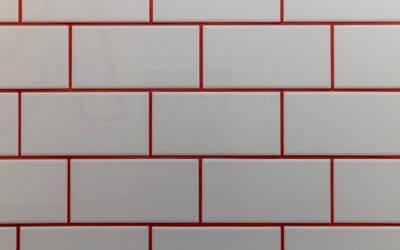
Grout color can completely transform blue tile. White grout creates classic contrast and highlights each tile’s shape. Gray grout softens the contrast and hides dirt better. A matching blue-gray grout makes the surface read as a seamless color field. For a bold, graphic look, dark grout outlines every tile. Always order a sample board or test a small area before committing, since grout is hard to change later.
What Blue Subway Tile Costs
Price depends heavily on material and origin. Basic ceramic blue subway tile typically runs $2 to $8 per square foot. Porcelain and higher-grade ceramic fall around $5 to $15 per square foot. Handmade, crackle-glaze, or designer tiles can reach $15 to $30 or more per square foot. Add roughly $7 to $14 per square foot for professional installation, plus grout, thinset, and trim pieces.
Ceramic vs. Porcelain vs. Glass
Blue subway tile comes in several materials, each with strengths. Glazed ceramic is the most affordable and widely available, perfect for backsplashes and walls. Porcelain is denser, harder, and more water resistant, making it a better pick for showers and floors, though it costs a bit more. Glass subway tile glows with depth and reflects light beautifully, ideal for a luminous backsplash, but it shows scratches and requires careful installation. For most kitchen backsplashes, glazed ceramic offers the best balance of price, durability, and color.
Pairing Blue Tile With Your Palette
Blue plays well with a wide range of colors, which is part of its appeal. White cabinets and counters keep the look crisp and let the blue pop. Natural wood tones bring warmth and a Scandinavian or coastal feel. Brass and gold hardware add a touch of glamour against deeper blues, while chrome and nickel keep things cool and classic. For a moody scheme, pair navy tile with dark counters and warm metal accents. Always view samples in your own lighting, since blue shifts noticeably under warm versus cool bulbs.
Design Ideas to Try
If you want to push beyond a standard backsplash, consider these approaches:
- Ombre effect: Blend several shades of blue from light at the top to dark at the bottom.
- Full-height feature wall: Run tile from counter to ceiling behind a range for drama.
- Two-tone bathroom: Blue subway on the lower wall with white above for a wainscot look.
- Accent niche: Line a shower niche in glossy blue against neutral surrounding tile.
Installation Considerations
Installing blue subway tile follows the same fundamentals as any subway tile, with a few color-specific notes. Buy roughly 10 percent extra to cover cuts and breakage and to keep a few spares in your exact dye lot for future repairs, since blue shades can vary slightly between production runs. Plan your layout from a focal point, such as the center of a backsplash or the middle of a wall, so cut tiles fall evenly at the edges. For glass tile, use a white thinset and follow the manufacturer’s setting instructions, because the wrong adhesive can show through translucent glass. If you are tiling a wet area, confirm your tile and grout are rated for moisture.
Care and Maintenance
Glazed blue subway tile is easy to maintain. Wipe it with a mild cleaner and avoid abrasive pads that can dull the glaze. Seal cement grout to prevent staining, or choose an epoxy or pre-sealed grout for high-splash areas. With basic care, blue subway tile keeps its color and shine for decades, giving you a colorful classic that ages gracefully.
Prefer to explore on your own?
See how new flooring looks in your actual room in seconds — free, no signup.
Try the free Floor Studio →