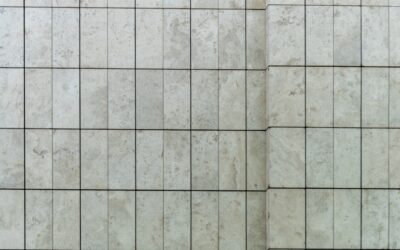
Walk into almost any tiled room and you will spot the steady, grid-like rhythm of square tile. It is the oldest format in the trade for a reason: squares lay out predictably, waste less material than complex shapes, and read as clean and timeless on both floors and walls. Whether you are retiling a bathroom floor or planning a kitchen backsplash, understanding sizes, materials, and layout options will help you avoid the awkward cuts and crooked joints that plague rushed jobs.
Part of our Tile & Grout guide — explore the full guide →
Common Square Tile Sizes
Square tile spans a wide range, and the size you pick shapes the look more than almost anything else. Smaller squares feel busy and detailed; larger ones feel calm and modern. Here are the formats you will see most often:
- 1 in. and 2 in. mosaics — sold mesh-mounted on 12 in. sheets, ideal for shower floors where small joints add slip resistance.
- 4 in. x 4 in. — the classic backsplash and wainscot square, with a retro feel.
- 6 in. x 6 in. — a versatile mid-size square for floors and walls.
- 12 in. x 12 in. — the workhorse floor tile for decades, still common and affordable.
- 18 in. x 18 in. and 24 in. x 24 in. — large-format squares that reduce grout lines and visually enlarge a room.
Large-format squares above 15 inches usually require a flatter substrate and a leveling clip system to prevent lippage, the small height differences between adjacent tiles that catch toes and light.
Materials to Choose From
The word “tile” covers several materials, and each behaves differently underfoot and under a wet saw.
Porcelain is the most popular choice for square floor tile. It is dense, absorbs less than 0.5 percent water, and rates highly for wear, making it suitable for entryways and busy kitchens. Ceramic is softer and cheaper, fine for walls and light-traffic floors. Natural stone squares such as travertine, marble, and slate bring unique veining but need sealing and gentler cleaners. For outdoor patios, look for tiles rated for freeze-thaw cycles and a slip rating of R10 or higher.
Layout Patterns for Square Tile
Squares are not limited to a basic grid, even though that remains the most common and economical layout. Consider these options:
- Straight (stacked) grid — joints align in both directions for a crisp, contemporary look.
- Diagonal — tiles rotated 45 degrees can make a narrow room feel wider, though it increases cut waste by 10 to 15 percent.
- Brick or offset — each row shifted by half a tile, softening the grid and hiding minor size variation.
- Pinwheel — mixing two square sizes for a patterned floor.
Before committing, dry-lay a few rows. Snap a chalk line for your reference grid and start from the room’s center so cut tiles land evenly at opposite walls instead of leaving a sliver on one side.
Grout and Joint Width
Grout color and joint size change the entire mood of a square tile installation. Tighter joints around 1/16 to 1/8 inch suit rectified tiles with crisp factory edges and create a seamless, modern field. Wider joints near 3/16 to 1/4 inch work better for stone or budget tiles with slightly irregular edges, since the grout absorbs size differences.
For color, matching the grout to the tile minimizes the grid and emphasizes the surface; contrasting grout celebrates the pattern. On floors, choose a stain-resistant epoxy or a quality cement grout, and seal cement grout once it cures to keep mopping easy.
Estimating How Much You Need
Measure the room’s length and width, multiply for square footage, then add 10 percent for standard cuts and waste. Bump that to 15 percent for diagonal layouts or rooms with many corners and obstacles. Buying from a single dye lot matters, because shade can shift slightly between production runs. Keep a box of spares after the job for future repairs, since matching discontinued tile years later is nearly impossible.
Installation Basics
A successful square tile floor starts below the surface. The substrate must be flat, clean, and rigid, with deflection limits met so tiles do not crack over a bouncy floor. Many pros install a cement backer board or an uncoupling membrane over a wood subfloor.
Spread thin-set mortar with a notched trowel sized to the tile, comb it in one direction, and back-butter large-format squares to reach 80 to 95 percent coverage. Use tile spacers for consistent joints and check every few tiles with a straightedge. Let the mortar cure 24 to 48 hours before grouting, and wait the time the grout label specifies before sealing or heavy use.
Caring for Square Tile
One of the quiet advantages of square tile is easy upkeep. Sweep or vacuum grit that can dull the surface, then mop porcelain and ceramic with a neutral pH cleaner. Skip vinegar and harsh acids on stone and on cement grout, since acids etch stone and erode grout over time. Re-seal stone and cement grout periodically based on traffic, and address cracked grout promptly before water reaches the substrate.
Choosing a Size for the Space
Picking the right square size is one of the most consequential decisions, because it changes how the room feels. In a small bathroom, a 12-inch square or smaller can read appropriately scaled, while a large 24-inch tile may require many cut edges that waste material and look chopped up. In an open living area or large kitchen, big squares of 18 or 24 inches reduce the number of grout lines, calm the visual field, and make the space feel more expansive. As a rule, larger rooms can carry larger tiles, and busy or detailed designs suit smaller formats. When unsure, tape out a few tile footprints on the floor to judge the scale before buying.
Square Tile vs. Rectangular Tile
Homeowners often weigh squares against rectangular planks and subway formats. Squares lay out faster and waste less material because the grid is symmetrical and forgiving. Rectangles can make a room feel longer or taller depending on orientation, but long planks are prone to lippage and demand a flatter substrate. Squares also tend to read as more traditional or timeless, while rectangles feel more current. Neither is better universally; the right choice depends on the room’s proportions, the look you want, and how flat your floor is. For a fuss-free, classic result, squares remain the easiest path.
Is Square Tile Right for You?
Square tile fits nearly any room and budget, from a $1 per square foot ceramic wall tile to premium porcelain and stone running several times higher. If you want a clean, predictable, and durable surface that will not look dated in five years, the square remains hard to beat. Match the size to the room, plan your layout, and invest in proper prep, and you will get a floor or wall that performs for decades.
Prefer to explore on your own?
See how new flooring looks in your actual room in seconds — free, no signup.
Try the free Floor Studio →