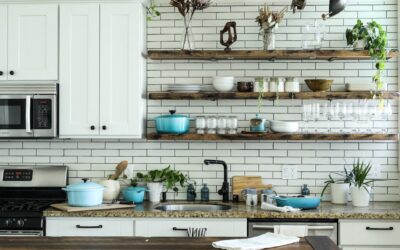
Subway tile dominated kitchens for a decade, but the square is quietly taking its place as designers rediscover the clean, grid-based geometry that squares bring to a wall. A square tile backsplash offers a crisp, balanced look that works in both modern and classic kitchens, and it ranges from tiny mosaic squares to bold oversized formats. The shape is endlessly flexible: stack it for a contemporary grid, run it on a diagonal for movement, or choose a glossy color for a retro pop. If you are planning a backsplash, here is everything you need to know about working with square tile.
Part of our Kitchen Remodeling guide — explore the full guide →
Why Choose Square Tile
The square’s appeal is its honesty. There is no rectangle to align, no directional grain to worry about, just a clean repeating grid that reads as orderly and timeless. A square tile backsplash feels less trendy than subway tile and tends to age well because the geometry is so fundamental. It also offers more layout creativity than people expect, from tight mosaic patterns to dramatic large-format walls.
Squares also play beautifully with grout. Because the grid is symmetrical, a contrasting grout color turns the joints into a deliberate design feature rather than a flaw.
Choosing the Right Size
Tile size dramatically changes the personality of the wall. Pick the format that matches your kitchen’s scale and style.
- Mosaic squares (1 inch and under): lots of grout lines, great texture, ideal for a busy, detailed look or curved areas.
- 2 by 2 inch: a classic mid-scale square with a slightly retro feel.
- 4 by 4 inch: the traditional standard, clean and familiar.
- 6 by 6 inch and larger: fewer grout lines, a modern, expansive look that suits large walls.
Smaller tiles forgive uneven walls better but mean more grout to clean. Larger squares are faster to install and easier to wipe down but show layout errors more readily.
Layout Patterns to Consider
Even a simple square can be arranged several ways for very different effects.
- Stacked grid: tiles align in perfect vertical and horizontal rows for a crisp, modern look.
- Diagonal (diamond): rotate the grid 45 degrees so tiles sit as diamonds, adding energy and the illusion of width.
- Offset or brick: stagger each row by half a tile for a softer, more traditional rhythm.
- Checkerboard: alternate two colors for a bold, graphic statement.
The stacked grid is the most popular contemporary choice because it lets the tile color and grout do the talking without visual noise.
Material Options
Square tile comes in nearly every material, and each suits different budgets and looks. Ceramic and porcelain are the workhorses, affordable and easy to clean. Glass squares add depth and luminosity and reflect light beautifully behind a stove. Natural stone like marble brings luxury but needs sealing. Metal and zellige (handmade Moroccan) tiles offer texture and character for a higher-end design. For most kitchens, glazed ceramic or porcelain delivers the best balance of durability, cleanability, and cost.
Grout Color Strategy
Grout is half the design with square tile, so choose it deliberately. A matching grout makes the wall read as a smooth, seamless field, perfect for a calm, modern kitchen. A contrasting grout, like charcoal grout with white tile, emphasizes the grid and creates a graphic, on-trend look. For backsplashes behind a stove, lean toward a slightly darker grout than pure white, since cooking splatter shows less and cleanup is easier. Always use a quality grout and seal it to resist grease stains.
Cost and Budget
A square tile backsplash is one of the more affordable kitchen upgrades. Material costs typically run:
- Ceramic or porcelain: $2 to $10 per square foot.
- Glass: $7 to $20 per square foot.
- Natural stone and specialty: $15 to $40 per square foot.
Professional installation adds $8 to $15 per square foot in labor. A typical backsplash covers 30 to 40 square feet, so DIYing the tile work can save several hundred dollars on a project that is well within reach of a confident homeowner.
Before you buy, order a sample or two and tape them to the wall to judge the color in your own lighting, since tile that looks crisp white under store fluorescents can read cream or gray under warm kitchen bulbs. Account for waste when you calculate quantity, adding about 10 percent for cuts and breakage, and keep a few spare tiles after the job for future repairs. Tools for a square tile backsplash are modest: a notched trowel, a tile cutter or wet saw for the cuts around outlets and the range, spacers, a grout float, and sponges. Most of these can be rented inexpensively if you do not own them, keeping the project firmly in budget-friendly territory.
Installation Tips
Squares are forgiving to install, but a few habits ensure a professional finish. Start with a level layout line rather than trusting the countertop, which is rarely perfectly level. Dry-lay a row first to plan where cut tiles fall, keeping them at the ends rather than the focal center. Use consistent spacers, typically 1/16 to 1/8 inch, for even grout lines. Mosaic squares come on mesh sheets that speed installation dramatically. Mix tiles from several boxes as you go to blend any shade variation across the wall.
One layout detail worth solving on paper first is how the tile meets the edges of the wall and the cabinets. A backsplash that ends in a sliver of cut tile at the top or in an awkward partial square next to the upper cabinets looks unfinished, so plan your starting point to balance the cuts on both ends. Many homeowners also choose a finishing edge for the exposed sides, such as a metal Schluter trim, a bullnose tile, or a simple caulked edge, which gives the installation a clean, intentional border. Where the backsplash meets the countertop and the wall, use a color-matched flexible caulk rather than rigid grout in that joint, since the two surfaces move independently and grout there will crack. Getting these transitions right is what separates a professional-looking square tile backsplash from an obvious DIY job, and it costs only a little extra planning.
Final Thoughts
A square tile backsplash brings clean, timeless geometry to a kitchen and offers far more design flexibility than its simple shape suggests. Choose your size to match the room’s scale, pick a layout from stacked grid to diagonal diamond, and treat grout color as a real design decision. Glazed ceramic or porcelain keeps costs reasonable and cleanup easy. Plan your layout carefully so cut tiles land at the edges, and you will have a backsplash that looks fresh today and stays handsome for years.
Prefer to explore on your own?
See how new flooring looks in your actual room in seconds — free, no signup.
Try the free Floor Studio →