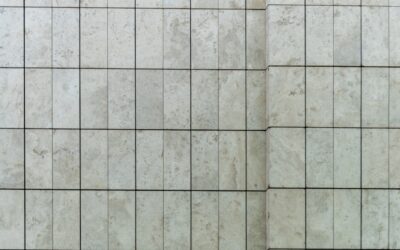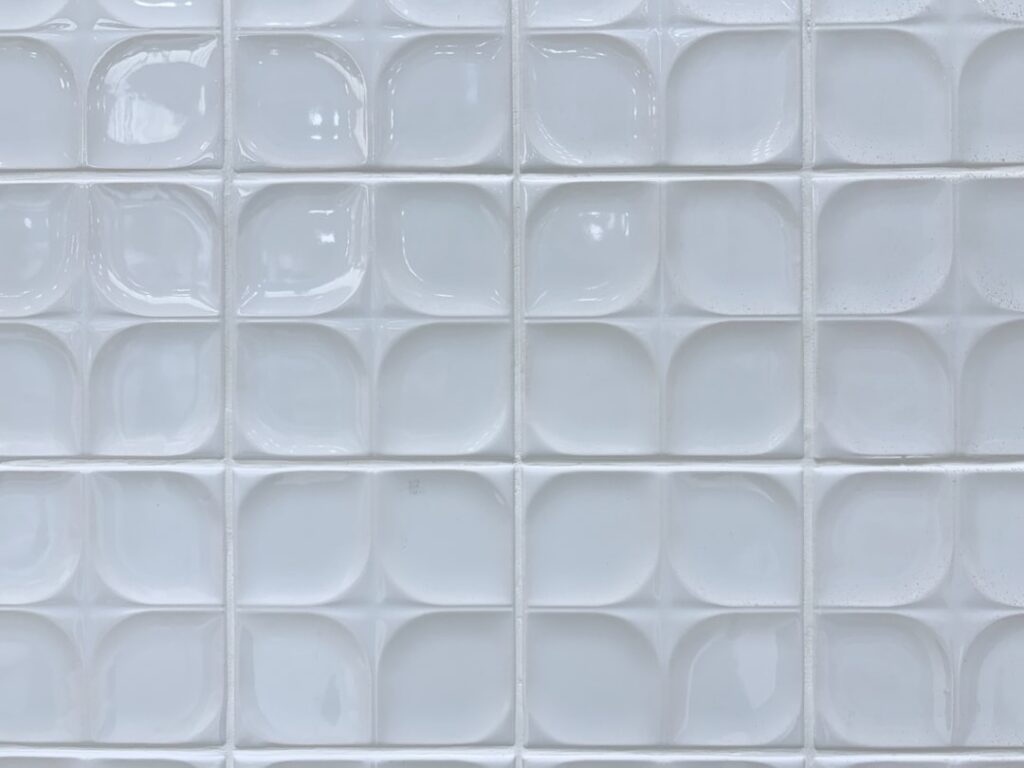
White square tile is one of the most versatile and enduring choices in home design, working equally well on kitchen backsplashes, bathroom walls, shower surrounds, and floors. The simple geometry of a square paired with a clean white finish reads as fresh and timeless, which is exactly why it never seems to go out of style.
Part of our Tile & Grout guide — explore the full guide →
Because “white” and “square” each cover a wide range, the real decisions come down to size, material, finish, and how you lay the tile out. Getting those details right is what separates a flat, builder-grade look from a polished, intentional one. This guide covers everything you need to choose and install white square tile with confidence.
Why White Square Tile Stays Popular
Few materials offer the flexibility of plain white tile. It reflects light, making small or dim rooms feel larger and brighter, and it pairs with virtually any color scheme, so you can change paint, fixtures, and decor over the years without the tile ever clashing. That adaptability protects your investment, since the tile rarely needs replacing just because tastes shift.
White also reads as clean, which is part of its appeal in kitchens and bathrooms. A bright, uniform surface signals freshness and is easy to inspect for dirt, encouraging the kind of regular wiping that keeps these rooms hygienic.
Common Sizes and Where They Work
Square tile comes in a wide span of dimensions, and the size you pick changes the feel of a room dramatically. Smaller squares create more grout lines and a busier, more textured look, while large squares feel sleek and modern with fewer seams.
- Mosaic squares (1×1 to 2×2 inch): Often mesh-mounted in sheets, ideal for shower floors, backsplash accents, and curved surfaces because the many grout lines add grip and flex.
- Standard wall squares (4×4 inch): A classic backsplash and bathroom tile with a retro, clean look.
- Mid-size (6×6 to 8×8 inch): A balanced option for walls and smaller floors.
- Large format (12×12, 18×18, 24×24 inch): Best for floors and full walls, giving an open, contemporary feel with minimal grout.
As a rule, larger tiles suit larger, flatter areas, while small squares shine where you need traction, flexibility, or fine detail.
Material Options
The material behind the white surface determines durability, water resistance, and price. The main choices include:
- Ceramic: Affordable and easy to cut, well suited to walls and light-traffic floors. Generally the budget-friendly option.
- Porcelain: Denser and harder than standard ceramic, with low water absorption that makes it ideal for floors, showers, and high-traffic areas.
- Glass: Bright and reflective for backsplashes and accents, though it scratches more easily and is not used on floors.
- Natural stone (marble, limestone): Offers a luxurious white with natural veining, but it is porous, needs sealing, and demands more care.
For most floor and shower applications, porcelain is the dependable workhorse. For backsplashes and walls, ceramic and glass give you more design options at a lower cost.
Finish and Texture Choices
White tile is far from one-note once you consider finish. A glossy finish bounces light and looks crisp, but it shows water spots and can be slippery, which matters on floors. A matte finish hides smudges better and offers more slip resistance underfoot, making it a smart pick for bathroom and entry floors.
Texture adds another layer of interest. Beveled-edge squares cast subtle shadow lines that give a wall depth, while handmade-look tiles with slight surface variation add warmth and character. Picking a finish is as much about how the room is used as it is about looks, so weigh slipperiness and cleaning alongside appearance.
Layout Patterns That Change the Look
How you arrange identical white squares can completely transform a space. The pattern is a free design lever, since it costs nothing extra in material:
- Straight grid (stacked): Squares aligned in clean rows and columns for a crisp, modern, gallery-like look.
- Diagonal: The grid rotated 45 degrees, which can make a narrow room feel wider.
- Offset or running bond: Each row shifted halfway, softening the grid and hiding minor alignment imperfections.
- Pinwheel or hopscotch: Squares of two sizes combined for a more intricate, custom pattern.
A stacked grid emphasizes the modern simplicity of square tile, while a diagonal or pinwheel layout adds movement and visual interest to an otherwise plain field of white.
Grout: The Detail That Defines the Design
Grout color may be the single most important choice with white tile, because it controls how much the pattern stands out. White or light grout blends in for a seamless, expansive look that downplays the grid. Gray or darker grout frames each tile, turning the grout lines into a deliberate graphic element, which is popular in modern and farmhouse kitchens.
Keep practicality in mind too. Light grout on floors and behind stoves shows stains and discoloration over time, so many homeowners choose a slightly gray-toned grout in high-use areas to keep things looking clean longer. Sealing cement-based grout, or choosing an epoxy grout, helps resist staining and moisture, especially in showers and on kitchen backsplashes.
Installation and Cost Considerations
Installing white square tile follows the same fundamentals as any tile job: a flat, clean, properly prepared substrate, the right thinset mortar, consistent spacers for even grout lines, and careful leveling so no tile lips above its neighbor. Large-format squares in particular demand a very flat surface, since any dip or hump shows as a raised edge. A tile-cutting tool, whether a manual snap cutter or a wet saw, is needed for edge and outlet cuts.
For budgeting, ceramic white square tile often runs in the rough range of $1 to $5 per square foot for the tile itself, with porcelain commonly $3 to $8 and natural stone or specialty glass climbing well above that. Professional installation typically adds another $5 to $15 per square foot depending on complexity and region. Treat these as general estimates, since prices vary with material grade, pattern difficulty, and local labor rates.
Cleaning and Long-Term Care
One of the quiet advantages of tile is how easy it is to maintain. For routine cleaning, sweep or vacuum floors to remove grit, then wipe with a pH-neutral cleaner and warm water; harsh acidic or abrasive cleaners can dull glaze and erode grout over time. On walls and backsplashes, a quick wipe after cooking or showering prevents buildup.
Grout needs a little extra attention to keep white tile looking its best. Periodically scrub grout lines with a soft brush, reseal cement-based grout as recommended by the manufacturer, and address any cracked or missing grout promptly to keep moisture out. Cared for this way, white square tile rewards you with a bright, clean surface that holds its appeal for decades.
Prefer to explore on your own?
See how new flooring looks in your actual room in seconds — free, no signup.
Try the free Floor Studio →