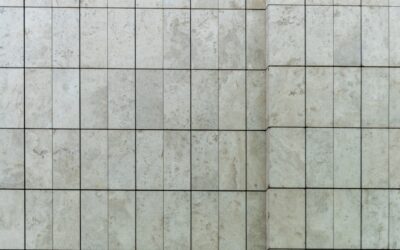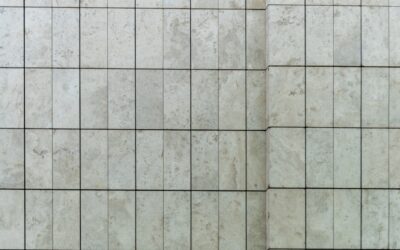
Pure white tile looks crisp in a catalog and cold in a real room. That is why so many homeowners, after living with a stark white bathroom for a while, wish they had chosen something softer. Off white tile — the family of creams, ivories, alabasters, and warm whites — delivers the bright, clean look people want without the clinical, sterile edge of true white. It is more forgiving of dust and water spots, more flattering under warm lighting, and it pairs with a far wider range of colors. If you are deciding between white and off-white, understanding the undertones will guide you to the right one.
- What "Off White" Actually Means
- Why Choose Off White Over Pure White
- Popular Off White Tile Styles
- Choosing the Right Grout
- What to Pair With Off White Tile
- What Off White Tile Costs
- Finish Choices for Function
- Is Off White Tile Right for You?
- Off White Tile in Kitchens vs. Bathrooms
- Keeping Off White Looking Fresh
- The Bottom Line on Off White
What “Off White” Actually Means
Off white is any white with a subtle undertone that pulls it away from pure, bright white. Those undertones matter enormously. A cream or ivory carries yellow undertones for a warm, cozy feel. An alabaster or greige-white leans slightly gray or taupe for a soft, sophisticated look. Some off-whites have a barely-there pink or green cast. The undertone determines what the tile pairs with, so identify it before you buy — hold the sample against a sheet of pure-white printer paper, and the undertone will jump out immediately.
Why Choose Off White Over Pure White
The practical advantages add up quickly:
- Warmer atmosphere: Off white feels inviting rather than institutional.
- Hides imperfections better: Water spots, dust, and minor stains show less than on stark white.
- More flattering light: Under warm bulbs, pure white can look dingy; off white glows.
- Easier to match: Off white pairs with wood, warm metals, and earthy tones that clash with cold white.
Pure white still wins for a crisp, ultra-modern, high-contrast look, but for everyday warmth and livability, off white is the more forgiving choice.
Popular Off White Tile Styles
The neutral works across nearly every tile format. Off-white subway tile is a kitchen and bath staple, warmer than bright white and endlessly versatile. Large-format off-white porcelain creates bright, open floors with minimal grout lines. Handmade-look zellige and crackle-glaze tiles in cream add artisanal texture and gentle color variation. Marble-look porcelain in warm white gives an elegant, upscale surface without the maintenance of real stone. Hexagon and penny-round mosaics in off white bring vintage character to bathroom floors.
Choosing the Right Grout
Grout can transform an off-white installation. A matching off-white or cream grout keeps the surface soft and seamless — the go-to for a calm, monochromatic look. A slightly darker greige or gray grout defines each tile and hides dirt far better, which is smart for floors and high-traffic backsplashes. Avoid stark white grout with off-white tile; the contrast makes the tile look dingy by comparison. Whatever color you choose, use a stain-resistant grout and seal it, since light grout shows every bit of grime in busy areas.
What to Pair With Off White Tile
Off white’s warmth opens up pairing options that cold white forecloses. It works beautifully with:
- Natural wood: Oak and walnut warm cabinets, floating shelves, and vanities.
- Warm metals: Brass, gold, and bronze fixtures echo the tile’s warmth.
- Earthy and muted colors: Sage, terracotta, taupe, and soft blues.
- Black accents: Matte black hardware adds crisp contrast without coldness.
Match your undertone to your palette — a yellow-cream off white pairs with warm woods and brass, while a greige-white leans better with cooler grays and chrome.
What Off White Tile Costs
Because off white spans every material, prices vary widely. Ceramic off-white subway runs $2 to $6 per square foot. Porcelain, including large-format and marble-look, ranges $4 to $12. Handmade zellige and specialty crackle-glaze tiles command $12 to $30 per square foot. Installation adds $6 to $15 per square foot for floors and $10 to $20 for backsplashes, depending on tile size and pattern complexity. A standard off-white porcelain bathroom floor of 40 square feet typically runs $600 to $1,400 installed.
Finish Choices for Function
The finish should match the location. Matte and honed finishes are ideal for floors — they hide water spots, offer more slip resistance (look for a DCOF of 0.42 or higher in wet areas), and read soft and modern. Glossy off-white tile reflects light and brightens walls and backsplashes, but shows smudges and gets slick underfoot, so keep it vertical. Textured and handmade surfaces add depth and grip. In a shower, choose a matte or textured off-white floor tile for safety and a glossier wall tile for easy cleaning.
Is Off White Tile Right for You?
If you want the brightness and timelessness of white but with warmth and everyday practicality, off white tile is almost always the smarter choice. It flatters warm lighting, forgives the mess of daily life, and pairs with the natural woods and brass hardware that dominate current design. Reserve pure white for high-contrast, ultra-modern spaces where crispness is the goal. As with any neutral, order samples, identify the undertone against white paper, and view them in your own light morning and evening — the right off white will feel like a warm, quiet backdrop you never tire of.
Off White Tile in Kitchens vs. Bathrooms
The neutral behaves a little differently depending on the room. In kitchens, off-white subway or large-format tile brightens the space and pairs effortlessly with wood cabinets, quartz counters, and warm-metal hardware — but choose a stain-resistant grout, because a kitchen backsplash catches grease and sauce splatter that will yellow white grout fast. In bathrooms, off-white creates a soft, spa-like calm and its warmth flatters skin tones under vanity lighting far better than stark white. For bathroom floors, a matte or honed off-white with a DCOF of 0.42 or higher keeps footing safe when wet. In both rooms, the goal is warmth without dinginess, which is exactly what a well-chosen off white delivers.
Keeping Off White Looking Fresh
Light tile shows grime if you neglect it, so a simple routine keeps it bright. Sweep or vacuum floors to remove grit, and damp-mop with a pH-neutral cleaner rather than harsh chemicals that can dull the surface over time. On backsplashes, wipe up cooking splatter promptly before it sets. The grout, not the tile, is usually the first thing to look tired — sealing cement grout and choosing a slightly darker greige color in traffic areas hides dirt and buys you time between deep cleanings. An epoxy grout eliminates the sealing chore entirely and resists staining, which is worth the extra cost in busy kitchens and entryways.
The Bottom Line on Off White
Off white tile is the choice for homeowners who want the brightness and timelessness of white with everyday warmth and forgiveness. It flatters warm lighting, hides the minor mess of daily life better than stark white, and pairs with the natural woods and brass hardware defining current design. The single most important step is identifying the undertone — hold your sample against pure-white paper, note whether it leans cream, greige, or cool, and match that to your palette. View the finalists in your own space morning and evening, choose the right finish for each surface, and you will land on an off white that feels like a warm, quiet backdrop you never tire of.
Prefer to explore on your own?
See how new flooring looks in your actual room in seconds — free, no signup.
Try the free Floor Studio →