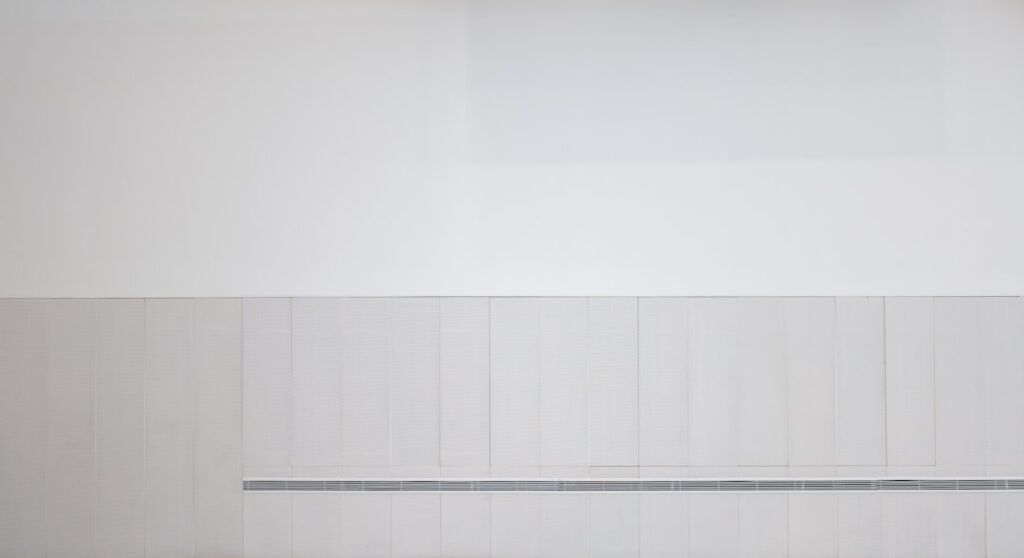
Bright, stark white can feel clinical under kitchen lighting, throwing a cool blue cast that makes a warm room feel like a hospital corridor. An off white backsplash solves that by softening the palette with a whisper of cream, greige, or ivory, giving you the clean, timeless look of white without the glare. It is the shade designers reach for when a client says they want white but the pure version feels too harsh.
- Why Choose an Off White Backsplash
- Understanding Off White Undertones
- Best Tile Types for an Off White Look
- Grout Color Makes or Breaks It
- Pairing With Cabinets and Countertops
- Layout and Design Ideas to Try
- Cost and Installation Notes
- Keeping an Off White Backsplash Clean
- A Timeless, Livable Choice
Off white is not one color but a whole family of near-neutrals, and choosing the right undertone is the difference between a wall that glows and one that looks dingy. This guide covers the shades, tile choices, pairings, and upkeep so your backsplash reads intentional and warm.
Why Choose an Off White Backsplash
The appeal starts with flexibility. A soft neutral wall works with nearly every cabinet color, countertop, and hardware finish, so it survives the trends that date a bold tile within a few years. When you sell or simply restyle, an off white backsplash is a blank canvas rather than a commitment.
It also flatters kitchen light. Warm-white LED bulbs at 2700K to 3000K, the most common kitchen temperature, make a soft cream tile glow, while they can make a bright white look yellowed and uneven. Starting with a hint of warmth in the tile means the color you see at night matches the color you chose in the store.
Understanding Off White Undertones
Every off white leans slightly toward another color, and naming that undertone is the key to a successful pairing. Hold a sample against your cabinets and counter in daylight to spot which way it tilts.
- Warm cream and ivory: A yellow or gold undertone that feels cozy and traditional. Pairs beautifully with wood cabinets and brass fixtures.
- Greige: A gray-beige blend that reads modern and grounded, ideal alongside cool quartz counters and matte black hardware.
- Alabaster and eggshell: Barely-there warmth that stays crisp without going stark, a safe middle ground for most kitchens.
- Pink or peach-leaning: Rare and tricky; these can look dated, so test carefully against your counters.
The trap to avoid is mismatched undertones. A warm cream tile next to a cool blue-gray countertop can make both look muddy, so keep the temperatures in the same family.
Best Tile Types for an Off White Look
Off white translates across nearly every material, and the one you pick sets the mood from farmhouse to sleek modern.
Ceramic and Porcelain Subway
The classic choice, a 3×6 inch cream subway tile, costs $6 to $15 per square foot and never looks wrong. A hand-glazed version adds subtle tonal variation that keeps a large wall from looking flat.
Zellige and Handmade
Moroccan zellige in a warm off white brings gentle color shifts and a glossy, uneven surface that catches light. Expect $20 to $45 per square foot for the artisan look.
Natural Stone
Honed marble, limestone, and travertine carry creamy tones with natural veining, running $12 to $40 per square foot. They need sealing but deliver depth no manufactured tile matches.
Mosaic and Textured
Off white glass, pebble, or fish-scale mosaics add pattern while keeping the neutral palette, perfect for an accent band above the range.
Grout Color Makes or Breaks It
Grout is the detail that decides whether your off white backsplash reads seamless or graphic. A matching cream or greige grout makes the wall look like one soft, continuous surface, calm and expansive. That is the go-to for a serene, high-end feel.
Go a few shades darker, a soft taupe or greige, and you outline every tile, highlighting the pattern and adding subtle contrast. Avoid bright white grout with a cream tile, which fights the warmth, and be cautious with dark gray grout, which can look busy across a whole kitchen wall. Whatever you choose, seal the grout so it does not absorb grease and turn splotchy.
Pairing With Cabinets and Countertops
The near-neutral of off white gives you enormous freedom, but a few combinations are reliable winners.
- White or cream cabinets: A tonal, layered look. Vary the shades slightly so the backsplash reads as its own element rather than a color match gone wrong.
- Wood and walnut cabinets: Warm cream tile bridges natural wood and stone counters for a classic, inviting kitchen.
- Sage or navy cabinets: An off white backsplash keeps a bold cabinet color from overwhelming the room, acting as a quiet breathing space.
- Quartz and marble counters: Match the undertone; a greige tile suits cool gray-veined quartz, while cream suits warm Calacatta-style marble.
Layout and Design Ideas to Try
Because the color stays quiet, the layout is where you inject personality without breaking the timeless feel. A vertical stack of off white subway tile reads modern and makes a low backsplash feel taller, while a classic herringbone adds movement that a plain neutral wall can lack. Both use the same affordable field tile, so the upgrade costs only a little extra labor.
Consider running the tile all the way to the ceiling behind the range for a full-height feature that frames the hood. In a smaller kitchen, a glossy off white tile bounces daylight around and makes the whole space feel larger and brighter. For a layered look, pair a matte cream field tile with a single row of polished marble pencil trim as a subtle accent line.
Mixing finishes within the same off white family is another quiet trick. A honed limestone-look tile beside a glossy ceramic border reads custom and expensive even though every piece shares one restrained color. The eye picks up the texture shift long before it registers any change in hue, which keeps the wall calm but far from boring.
Cost and Installation Notes
An off white backsplash spans the full price range because the color exists in every material. A basic ceramic subway install runs $10 to $20 per square foot including labor, while handmade zellige or natural stone can reach $40 to $60 per square foot once you factor in the slower, more skilled setting those materials require.
For a typical 30 square foot kitchen run, budget roughly $400 to $700 for a mid-range ceramic project and $1,500 or more for artisan tile. Because light neutrals show installation flaws less than dark tile, a clean off white subway wall is also one of the more forgiving DIY projects for a careful first-timer.
Keeping an Off White Backsplash Clean
Light tile hides water spots well but shows grease and coffee splatter, so a quick daily wipe keeps it bright. A damp microfiber cloth with a drop of dish soap handles most kitchen grime, while a paste of baking soda lifts stubborn grease from textured or handmade surfaces without scratching.
Grout is the weak point on any pale wall. Seal it on installation and reseal every year or two, and spot-clean discoloration with an oxygen-based cleaner rather than bleach, which can yellow over time. Sealed natural stone gets a pH-neutral cleaner only, since acids like vinegar etch marble and limestone.
A Timeless, Livable Choice
Warm without being yellow and clean without being cold, an off white backsplash hits the sweet spot that keeps a kitchen looking fresh for decades. Nail the undertone, match it to your cabinets and grout, and you get a backsplash that flatters your lighting, forgives your daily life, and never looks like last year’s trend.