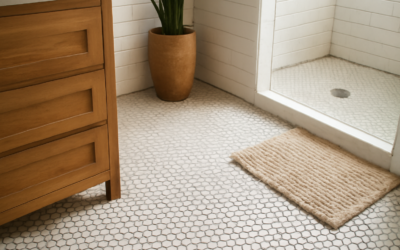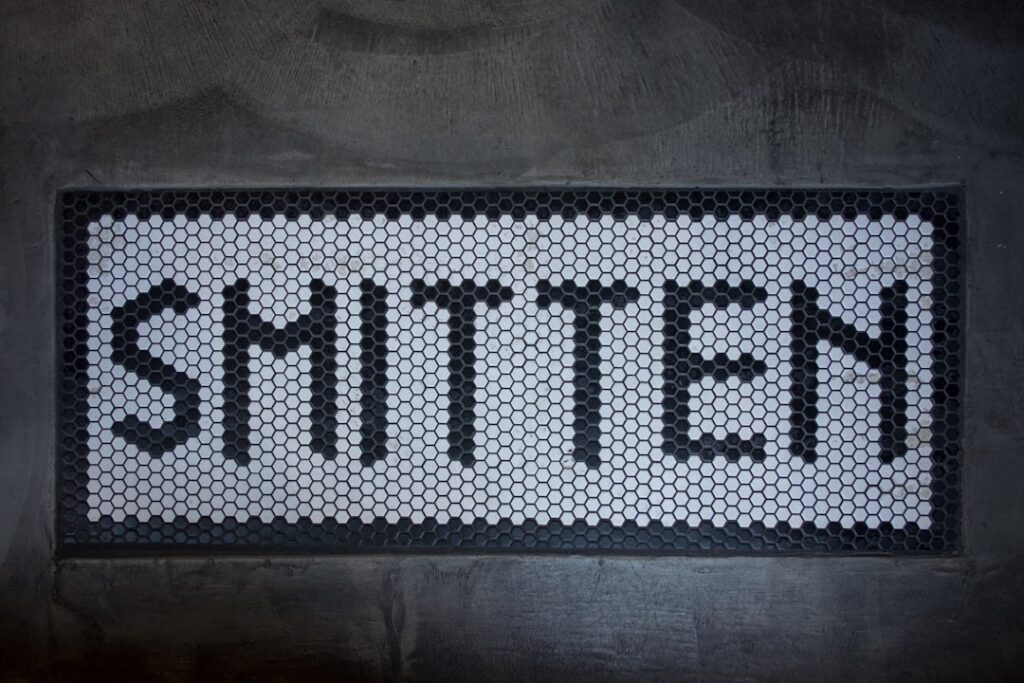
Few tile looks carry as much timeless character as small round mosaics in a classic two-tone palette. Black and white penny tile has adorned bathroom and kitchen floors since the early 1900s, and it remains a favorite for homeowners who want vintage charm with modern durability. From simple scattered dots to intricate flower and border patterns, penny tile offers enormous design flexibility in a small, budget-friendly package. This guide covers patterns, materials, grout choices, installation, maintenance, and cost so you can bring this enduring look into your home.
Part of our Tile & Grout guide — explore the full guide →
- What Penny Tile Is
- Classic Patterns and Layouts
- Materials: Porcelain vs. Ceramic vs. Marble
- Grout: The Detail That Defines the Look
- Where to Use Black and White Penny Tile
- Installation Overview
- Durability and Maintenance
- Cost Expectations
- Designing Your Own Pattern
- Comparing Penny Tile to Other Small-Format Options
What Penny Tile Is
Penny tile gets its name from its small, round tiles roughly the size of a penny, typically about 3/4 inch to 1 inch in diameter. Rather than being set one by one, the little rounds come pre-arranged on mesh-backed sheets, usually around 12 by 12 inches, which dramatically speeds installation. Black and white penny tile combines classic white and black rounds, which you can arrange in countless ways. The style became iconic in early 20th-century American bathrooms and diners, and its association with that era gives it an instant vintage appeal that also reads as clean and graphic in modern spaces.
Classic Patterns and Layouts
One of the joys of penny tile is the variety of patterns you can create by mixing black and white rounds:
- Scattered dots: Mostly white with random black pennies sprinkled throughout, a casual, playful vintage look.
- Flower or medallion: Black pennies arranged in a floral cluster surrounded by white, a signature old-world bathroom motif.
- Solid field with border: A white or black field bordered by a contrasting band that frames the room.
- Checkerboard-inspired clusters: Grouped rounds forming a rhythmic two-tone pattern.
- Solid single color: All black or all white for a clean, uniform mosaic texture.
Because the sheets come in set arrangements, you can buy pre-patterned sheets or combine solid-color sheets and place accent pennies yourself for a custom design.
Materials: Porcelain vs. Ceramic vs. Marble
Penny tile comes in several materials, and the choice affects durability, maintenance, and cost:
- Porcelain: The most popular for floors. Dense, water-resistant, and very durable, with the color running through or fired on. Ideal for bathrooms and high-traffic areas.
- Ceramic: Slightly softer and more affordable, fine for walls and lighter-use floors.
- Natural marble: Offers authentic stone beauty but is porous, requires sealing, and can etch, so it needs more care.
- Glass: Used more for accents and walls; adds shine but is less common for full floors.
For a durable, low-maintenance black and white penny tile floor, porcelain is usually the smart choice.
Grout: The Detail That Defines the Look
With so many tiny tiles, penny tile has a lot of grout lines, which means grout color has an outsized effect on the final appearance. Your options create very different results:
- Gray grout: The most practical for floors. It hides dirt well and provides gentle contrast without overwhelming the pattern.
- White grout: Makes a bright, seamless field but shows dirt and needs more upkeep, especially on floors.
- Black or dark grout: Creates a bold, graphic, honeycomb effect that emphasizes each round; forgiving of dirt but dramatic.
Because penny tile involves extensive grouting, many pros recommend an epoxy or a high-performance stain-resistant grout for floors, especially in bathrooms, since it resists staining and does not require sealing like traditional cement grout. That extra grout surface is also why sealing matters if you use cement-based grout.
Where to Use Black and White Penny Tile
This versatile tile works in many spots:
- Bathroom floors: The classic application, offering slip resistance from all those grout lines and a vintage look.
- Shower floors: The small tiles conform to a sloped shower pan and the textured surface improves footing.
- Kitchen and entry floors: A durable, characterful choice for hardworking spaces.
- Backsplashes and accent walls: A graphic detail behind a vanity or range.
- Mudrooms and powder rooms: Small spaces where a bold pattern makes a big statement affordably.
Installation Overview
Penny tile installs much like other mosaic sheets, and a patient DIYer can tackle a small floor, though the many grout lines make it labor-intensive. The general steps are:
- Start with a flat, clean, properly prepared substrate, cement backer board over a solid subfloor for floors.
- Spread thin-set mortar with a small-notch trowel, working in sections so it does not skin over.
- Press the mesh-backed sheets into the mortar, aligning the edges so the spacing between sheets matches the spacing within them, this seam alignment is where amateurs often go wrong.
- Use a grout float or a flat board to bed the sheet evenly so no pennies sit high or low.
- Let the mortar cure, then grout thoroughly, forcing grout into every gap and cleaning the haze carefully.
- Seal the grout if using a cement-based product.
The trickiest part is keeping the joints between sheets consistent so the pattern flows seamlessly; take your time laying out sheets before setting them.
Durability and Maintenance
A porcelain penny tile floor is highly durable and can last for decades, as evidenced by original century-old installations still in service. The main maintenance concern is the grout: all those lines can trap dirt and, if cement-based and unsealed, can stain over time. Regular sweeping and mopping with a pH-neutral cleaner keeps it looking sharp, and choosing epoxy grout or diligently sealing cement grout minimizes upkeep. The slight texture and abundant grout lines also give penny tile good slip resistance, a practical bonus in wet bathrooms.
Cost Expectations
Black and white penny tile is relatively affordable as a material. Porcelain and ceramic penny tile sheets commonly run about $5 to $15 per square foot, with marble and specialty patterns costing more. Because the tile is small and comes on sheets, a modest bathroom floor uses only a limited quantity, keeping material costs down. Installation is where costs rise: the labor to set and grout all those tiny tiles is higher than for large-format tile, often $8 to $20 per square foot for professional installation depending on pattern complexity and region. Still, for a small bathroom or powder room, the total remains reasonable, and the character it adds is hard to match at the price.
Designing Your Own Pattern
Part of the fun of black and white penny tile is that you are not limited to what comes on a single sheet. Many suppliers sell solid white and solid black penny tile sheets separately, letting you pop out individual pennies and reposition them to create a custom design. A common technique is to buy mostly white sheets and add black pennies at regular or random intervals to control exactly how dense your scattered-dot pattern is. For a flower or medallion motif, you plan the cluster of black tiles on graph paper first, then remove and replace pennies on the white sheets to build it. Borders are created by running a row or two of black around the room’s perimeter. Because the tiles are mesh-backed, swapping individual pieces is straightforward with a utility knife, though it adds labor. Dry-laying your planned pattern on the floor before setting anything lets you refine the spacing and catch mistakes while they are still easy to fix.
Comparing Penny Tile to Other Small-Format Options
Penny tile is one of several small mosaic shapes, and knowing the alternatives helps confirm your choice. Hexagon tile offers a similar vintage-meets-modern vibe but with a geometric, honeycomb look rather than round dots, and its straight edges create a slightly more structured appearance. Small square mosaics give a grid-like, checkerboard-friendly pattern. Basketweave and other patterned mosaics add more intricate period detail. What sets penny tile apart is its soft, rounded, almost playful character and its excellent slip resistance and conformability, the round tiles and abundant grout lines grip well underfoot and follow curved surfaces like shower pans nicely. If you want the most classic early-1900s look with great traction and a touch of whimsy, penny tile is hard to beat; if you prefer crisper geometry, hexagon may suit you better.
Black and white penny tile endures because it delivers so much: vintage charm, graphic modern appeal, real durability, and design flexibility, all in an affordable small-format package. The keys to a great result are choosing porcelain for hardworking floors, selecting a grout color and type that balances looks with easy maintenance, and taking care to align the sheets so the pattern flows seamlessly. Whether you scatter a few black dots across a white field or lay an intricate floral medallion, this classic tile will give your bathroom or kitchen a timeless character that only looks better with age.
Prefer to explore on your own?
See how new flooring looks in your actual room in seconds — free, no signup.
Try the free Floor Studio →