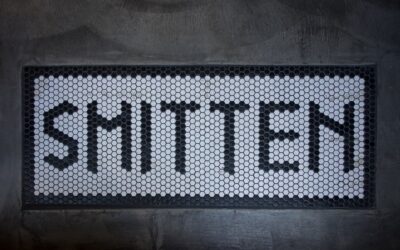
Small, round, and endlessly charming, penny tile has been dressing up American bathrooms since the early 1900s and has never really gone out of style. The best penny tile designs take those humble coin-sized rounds and arrange them into borders, color blocks, patterns, and murals that give a floor or wall genuine personality. What makes penny tile so appealing is its versatility: the same little dots that read as vintage soda-fountain nostalgia in one room look crisp and modern in another, depending entirely on color and layout. This guide runs through the design ideas, color strategies, and practical details that separate a timeless penny tile floor from a dated one.
Part of our Tile & Grout guide — explore the full guide →
Because each tile is roughly three-quarters of an inch across, penny tile hugs curves, drains, and tight corners beautifully, which is part of why it endures in bathrooms and entryways. The design possibilities multiply fast once you realize you can mix colors within a single sheet. Let’s explore the layouts and looks worth considering.
The Timeless Appeal of Penny Tile
Penny tile earns its name from the coin-sized porcelain rounds that first covered turn-of-the-century bathroom floors, prized because their many grout lines created a naturally slip-resistant, water-shedding surface. That practical origin is still relevant today; all those joints give bare feet grip, which is why penny tile remains a favorite for shower floors and bathrooms. The dense mesh of tiny circles also conforms to slopes and drains far better than large-format tile ever could.
Beyond function, the look carries a built-in sense of history that new construction often lacks. A white penny floor instantly signals classic, considered design, and it pairs as happily with a clawfoot tub as with a sleek floating vanity. Sold in 12-by-12-inch mesh-backed sheets, penny tile installs in manageable sections, and material costs typically run $6 to $15 per square foot for standard porcelain, climbing to $20 or more for glass, marble, or handmade options.
Classic White and Monochrome Designs
The purest penny tile design is a field of solid white rounds with white or light-gray grout, and it is a look that will never feel dated. This clean approach brightens small bathrooms, reflects light, and provides a neutral backdrop for whatever fixtures and paint you choose around it. Swap in dark charcoal or black grout against white tile and the whole character shifts; suddenly every circle is outlined, and the floor reads graphic, modern, and intentional.
Monochrome does not have to mean white. A floor of soft sage, dusty blue, or warm terracotta penny tile with tonal grout brings quiet color without pattern, ideal if you want interest that stays calm. Matte black penny tile with black grout creates a dramatic, contemporary surface that hides dirt and feels almost seamless. The beauty of these single-color schemes is that they let architecture and fixtures shine while the floor supplies texture rather than competing for attention.
Borders, Accents, and Two-Tone Patterns
Once you add a second color, penny tile becomes a design canvas. A simple border, a single ring or double band of contrasting tiles running around the perimeter of the room, frames the floor and echoes the tradition of vintage bathrooms that often carried a colored edge. Black borders on white fields are the classic, but navy, forest green, or oxblood bands bring updated color to the same time-honored layout.
Beyond borders, consider scattered accents where individual colored tiles dot a white field at random or in a loose pattern, giving a hand-placed, artisan feel. A center medallion, a bloom, star, or geometric motif worked out of contrasting penny tiles in the middle of the floor, turns a small entry or powder room into a showpiece. Because the tiles come loose or on mesh, a patient DIYer can pop individual rounds out and swap colors to build custom two-tone patterns, though pre-designed mosaic sheets save enormous time for repeating motifs.
Modern and Bold Penny Tile Looks
Penny tile is not confined to nostalgia. Push it modern with gradient or ombre designs, where tiles transition from dark at the base of a shower wall to light at the top, a striking effect that suits contemporary spa bathrooms. Metallic and iridescent glass penny tiles catch light and lend a jewel-like richness to backsplashes and accent walls, moving the material well beyond its utilitarian roots.
Bold, saturated color is another modern direction. A full floor of glossy cobalt or emerald penny tile makes a fearless statement in a powder room where you can afford to take a risk. Mixing several coordinating colors into a confetti or terrazzo-inspired scatter reads playful and current, especially in a kid’s bathroom or laundry room. For walls, running penny tile up a full shower surround or behind a vanity gives a texture-rich surface that large tile simply cannot replicate, and the sheer number of grout lines becomes a design feature rather than a maintenance afterthought.
Grout, Sealing, and Practical Considerations
Grout choice does more to define a penny tile design than almost anything else, so treat it as a design decision, not an afterthought. Matching grout makes the surface read as a continuous field, while contrasting grout emphasizes every individual round and multiplies the pattern’s visual impact. All those joints do mean more grout to keep clean, so use a stain-resistant epoxy or a quality sealed cementitious grout, and reseal cementitious grout annually in wet areas to fend off mildew.
Installation asks for patience because penny tile has so many small pieces and grout lines to fill, and getting the sheets to align without visible seams takes a careful eye. Many homeowners hire a tile setter for penny floors precisely because the labor is finicky, budgeting $10 to $20 per square foot in labor on top of materials. If you do it yourself, back-butter tricky spots, keep the mesh sheets square, and take your time floating the grout into every gap. Done right, a penny tile floor lasts for decades.
Choosing the Right Design for Your Space
Start with the room’s role and size. In a small powder room you can be adventurous with bold color or a center medallion because the square footage keeps the cost and the risk low. In a primary bathroom you will live with daily, lean toward classic white or a tonal monochrome that will still please you years from now. Shower floors reward penny tile’s slip resistance, making them the most practical place to use it regardless of the color you choose.
Match the style to your home, too: a black-bordered white floor suits a period house, while a glossy jewel tone fits a bold modern remodel. Whatever direction you take, order a few extra sheets so you have spares for future repairs and can experiment with layout before committing. Among all the small-format options out there, penny tile designs offer some of the best balance of charm, function, and lasting appeal you can put underfoot.
Prefer to explore on your own?
See how new flooring looks in your actual room in seconds — free, no signup.
Try the free Floor Studio →