The humble round penny tile has been charming homeowners for over a century, and the range of penny tile patterns you can create with those little circles is far broader than most people realize. From the timeless single-color vintage bathroom floor to bold color-blocked borders, scattered confetti effects, and intricate geometric designs, penny tile offers enormous creative flexibility in a small, budget-friendly format. This guide walks through the most popular patterns, how grout color changes the effect, and where each design works best so you can plan a floor or wall with real personality.
Part of our Tile & Grout guide — explore the full guide →
What Makes Penny Tile Special
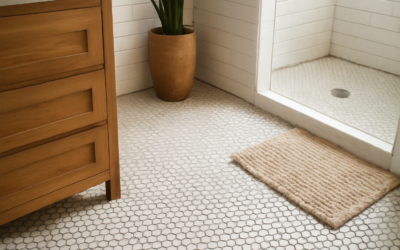
Penny tile gets its name from its size, small round tiles roughly the diameter of a penny, typically 3/4 inch to 1 inch across. They come mounted on 12-inch mesh sheets so an installer sets the pattern quickly rather than placing hundreds of individual circles. The rounded shape and dense network of grout lines give penny tile two big advantages: excellent slip resistance underfoot when wet, and a soft, playful character that squares and rectangles cannot match.
Because the tiles are so small and sold in many colors, penny tile is a natural medium for patterns. You can mix colored sheets, insert accent tiles, and build borders and motifs the way you would with mosaic art, all while keeping installation manageable. That combination of practicality and creative range is why penny tile patterns keep reappearing in stylish bathrooms and entryways.
Classic Single-Color Pattern
The most timeless penny tile pattern is simply a single color across the whole floor, most often white with contrasting grout. This is the quintessential vintage bathroom look, clean and unfussy, letting the honeycomb of grout lines provide all the texture. White penny tile with dark gray or black grout is the iconic version, giving crisp contrast that highlights the round shapes.
Single-color does not mean boring. The same pattern in soft sage, blush pink, navy, or matte black transforms the mood entirely while keeping the installation simple. A solid black penny floor reads dramatic and modern, while a soft gray version is understated and contemporary. This is the safest starting point and the easiest to live with long term.
Border and Field Patterns
One of the most popular ways to add interest is combining a solid field with a contrasting border. Common approaches include:
- Simple color border: A single row or band of contrasting penny tiles framing a solid field, echoing a classic rug shape on the floor.
- Double border: Two contrasting bands for a more formal, layered edge.
- Greek key or geometric border: Using colored tiles to build a repeating motif around the perimeter for a tailored, custom look.
Borders define a space beautifully, especially in a bathroom or entryway, essentially painting a permanent rug onto the floor. A white field with a black border is the timeless choice, but any two colors that suit your palette will work. Borders take more planning and cutting but deliver a distinctly custom, high-end result.
Scatter, Confetti, and Random Patterns
For a more relaxed, playful effect, scatter patterns mix accent-colored tiles randomly throughout a base field. A predominantly white floor with occasional black, navy, or colored pennies sprinkled across it creates a lighthearted confetti look that feels fresh and modern. The randomness hides dirt well and adds movement without the formality of a border.
You can control the density, from a light sprinkle of accent tiles to a heavy speckle. Some homeowners plan the placement for an even distribution, while others embrace true randomness. Either way, the scatter pattern is forgiving and fun, and it works especially well in kids’ bathrooms, laundry rooms, and casual powder rooms.
Geometric and Gradient Patterns
For those who want a real showpiece, penny tile lends itself to ambitious geometric designs and gradients:
- Flower and medallion motifs: Colored tiles arranged into blossoms or central medallions, a nod to vintage mosaic craftsmanship.
- Chevron and stripe patterns: Bands of color running across the floor for a graphic, modern effect.
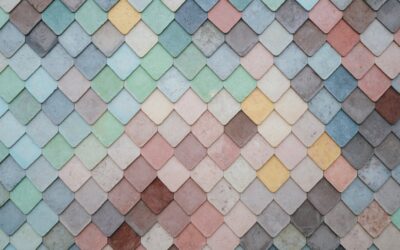
- Gradient (ombre): Blending from one color to another across the space, dark to light, for a striking contemporary look.
- Color blocking: Large defined zones of different colors, often used to differentiate areas in a room.
These patterns require careful planning and often a mix of custom-ordered colored sheets, but they turn a floor into genuine art. A gradient penny floor in a shower or a flower medallion in an entry becomes an instant conversation piece.
How Grout Changes Everything
Grout color has an outsized effect on any penny tile pattern. Dark grout, such as charcoal or black, emphasizes each individual circle and creates high contrast, making patterns pop and hiding dirt well. Light grout, matched close to the tile color, softens the pattern into a subtle texture and makes the floor read as a more continuous surface. A mid-gray grout is the versatile compromise that flatters most colors.
Because penny tile has so much grout, use an epoxy grout or a well-sealed cement grout in wet areas to resist staining and mildew. Whatever pattern you choose, decide on grout color deliberately, since it is as much a design choice as the tile colors themselves.
Where Each Pattern Works Best
Matching the pattern to the room keeps the result feeling intentional rather than busy. Single-color and subtle scatter patterns are the most versatile and suit almost any bathroom floor, entryway, or shower pan, since they add texture without overwhelming a small space. Borders and defined field patterns shine in powder rooms and entries where you want a tailored, custom look and the floor is a focal point. The more ambitious geometric, medallion, and gradient designs are best reserved for spaces where the floor is meant to be the star, such as a small feature bathroom, a shower niche, or an accent area, since a highly detailed pattern across a large floor can feel overwhelming.
Scale is worth keeping in mind too. In a very small room, a bold high-contrast pattern can either make the space feel jewel-box special or claustrophobic, depending on the colors, so it pays to lay out sample sheets and live with them before committing. In larger areas, stepping back to a simpler pattern or a lighter palette keeps the room from feeling visually crowded.
Planning and Installation Tips
Because most penny tile patterns rely on precise placement of colored tiles, planning on paper or with a digital layout before you start saves frustration and wasted material. Sketch the pattern to scale, count how many sheets of each color you need, and order extra to account for cuts and future repairs. For borders and geometric motifs, you will often pop individual tiles off the mesh backing to place accent colors exactly, which is tedious but essential for a crisp result. Take your time dry-fitting the pattern before spreading any thinset, since correcting a misplaced accent tile after the mortar sets is far harder than getting it right the first time. With the right combination of penny tile patterns and grout, you can create anything from a quiet vintage classic to a bold artistic statement in a space as small as a powder room floor.
Prefer to explore on your own?
See how new flooring looks in your actual room in seconds — free, no signup.
Try the free Floor Studio →