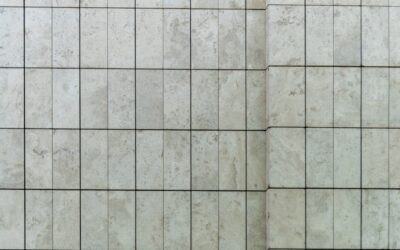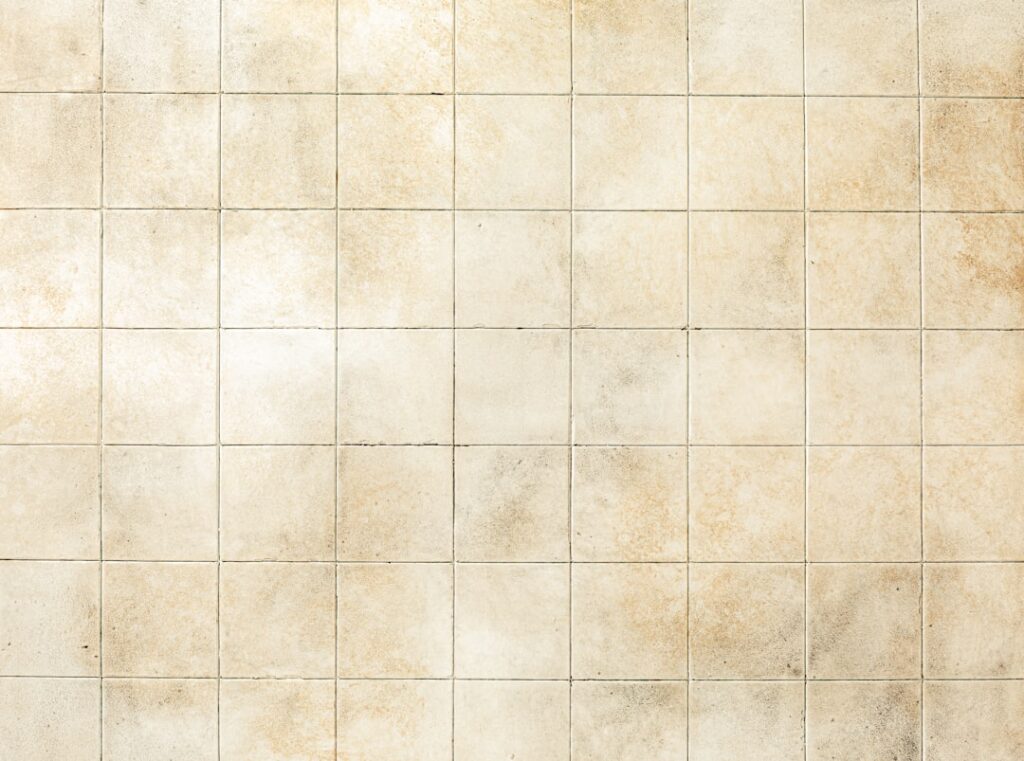
Pure white can feel cold and clinical, which is why so many designers reach one shade warmer. Ivory tile delivers the bright, clean look of white with a soft, creamy undertone that makes a room feel inviting instead of sterile. It’s one of the most versatile tile colors you can choose, working on floors, walls, showers, and backsplashes across nearly every design style from traditional to modern farmhouse to Mediterranean. Understanding its undertones and how to pair it is the key to using it well.
What Makes Ivory Different From White
Ivory sits between pure white and beige. It carries a warm yellow or cream undertone that softens the crispness of white without going as tan as true beige. That warmth is exactly what makes ivory so easy to live with: it reflects light and brightens a space like white, but it feels cozy rather than stark.
Because ivory has an undertone, it pairs differently than white. It sits beautifully with warm materials, wood, brass, travertine, and natural stone, and it flatters warm wall colors. Against very cool grays and stark whites, though, ivory can start to look dingy or yellow, so pairing matters.
Materials and Formats
- Porcelain: the most durable and water-resistant choice, ideal for floors, showers, and high-traffic areas. Ivory porcelain often mimics marble, travertine, or limestone.
- Ceramic: a budget-friendly option for walls and backsplashes, available in glossy and matte glazes.
- Natural stone: ivory travertine and limestone bring genuine organic warmth but need sealing.
- Marble-look tile: ivory with soft gray or gold veining captures a luxury look in an easy-care material.
For floors, look for porcelain rated PEI 4 or 5 and, in wet or outdoor areas, check the slip-resistance (COF) rating. A matte or textured ivory tile hides footprints and offers better grip than a high-gloss finish.
Where Ivory Tile Works Best
Ivory is a workhorse neutral that fits almost anywhere. On a bathroom floor and shower, it creates a spa-like, calming envelope. As a kitchen backsplash, it warms up white or wood cabinets without competing with the counters. On a large-format living-area floor, ivory porcelain makes a space feel open and bright while hiding dust better than pure white.
It’s especially effective in rooms that lack natural light. Where a cool gray tile would make a dim room feel colder, ivory pushes back with warmth and keeps the space feeling welcoming even under artificial light.
Choosing the Right Grout
Grout color transforms how ivory tile reads, so choose deliberately. A matching ivory or cream grout creates a seamless, calm surface where the tile field looks continuous, which is ideal for a serene bathroom or a large floor. A slightly darker greige or taupe grout defines each tile and adds subtle structure, good for a patterned backsplash or a floor where you want to see the layout.
Avoid stark white grout with ivory tile, since the contrast can make the tile look dull or yellowed. And steer clear of very dark grout on an ivory floor unless you want a strong graphic grid, because the high contrast will dominate the softer tile color.
What It Costs
Ivory tile spans a wide price range depending on material. Basic ceramic wall tile starts around $2 to $5 per square foot. Quality ivory porcelain, including marble- and stone-look lines, runs $4 to $12 per square foot. Natural travertine and limestone land at $5 to $15 per square foot, plus the cost of sealer. Large-format and designer tiles cost more.
Add installation at $6 to $14 per square foot for professional work, more for intricate layouts or large-format pieces. Always order 10 to 15 percent extra to cover cuts, breakage, and future repairs from the same dye lot, since tile colors shift slightly between production runs.
Design Pairings
Ivory’s warmth makes it a natural partner for other warm elements. Combine it with wood-look flooring or cabinetry for a soft, organic feel. Pair it with brass or bronze fixtures to play up the warm undertone, or with matte black hardware for a modern contrast that keeps the ivory from feeling too soft. In a Mediterranean or farmhouse kitchen, ivory tile against terracotta accents and natural wood is a timeless combination.
For a monochromatic, layered look, mix ivory tiles in different finishes and shapes, a glossy subway backsplash with a matte hexagon floor, for example, so the room stays interesting while holding one warm palette.
Keeping Ivory Tile Clean
Light tile shows less dirt than pure white but more than dark colors, so regular cleaning keeps it bright. Sweep or vacuum floors to remove grit, and mop with a pH-neutral cleaner rather than harsh chemicals that can dull glaze or etch stone. The grout lines are where light tile shows its age, so seal grout after installation and reseal periodically, and scrub with an oxygen-bleach paste when they discolor.
Natural-stone ivory tiles like travertine need a penetrating sealer to resist staining and etching, reapplied every year or two. Glazed porcelain and ceramic are far more forgiving and only need the grout sealed. With that basic care, ivory tile keeps its warm, welcoming glow for decades, making it one of the safest and most timeless neutral choices you can install.
Matte vs. Glossy Ivory
The finish you pick shapes both the mood and the practicality. A glossy ivory tile bounces light around and looks luminous, ideal for a backsplash or a small, dim bathroom where you want brightness. The trade-off is that gloss shows water spots and, on floors, can get slippery when wet. A matte or honed ivory finish reads softer and more natural, hides footprints and smudges better, and offers more grip underfoot, which is why it’s the safer choice for floors and shower pans.
Many designers mix the two within one room, a glossy subway backsplash paired with a matte floor, so the space has contrast and each surface plays to its strengths. If you’re tiling a floor that gets wet, always check the slip-resistance rating and lean matte for safety.
Ivory Tile Layout Ideas
Because the color is calm, the layout is your chance to add personality without introducing another hue. Consider these approaches:
- Herringbone or chevron: turns plain ivory subway tile into a custom-looking feature.
- Large-format grid: minimizes grout lines for a serene, expansive floor.
- Hexagon or penny-round mosaic: adds vintage texture on a bathroom floor.
- Vertical stack: makes walls feel taller in a shower or backsplash.
- Mixed finishes: combine matte and glossy ivory in the same tone for subtle depth.
Whatever layout you choose, ivory’s warmth means it flatters both traditional and modern designs, so the pattern can lean classic or contemporary and still look right. That flexibility, paired with its light-reflecting warmth and easy care, is why ivory tile remains a go-to neutral for kitchens, baths, and living spaces across every style of home. Choose the right undertone for your space, back it with a complementary grout, and pick a finish suited to the room, and ivory rewards you with a warm, bright, endlessly adaptable surface that looks as fresh a decade from now as it did the day it was installed.
Prefer to explore on your own?
See how new flooring looks in your actual room in seconds — free, no signup.
Try the free Floor Studio →