Classic white subway tile is everywhere, which is exactly why some homeowners want something with a little more life to it. Pearl subway tile keeps the timeless 3-by-6 rectangular shape but adds a soft, iridescent sheen that shifts subtly as the light moves across it. The result is a backsplash or shower wall that reads as neutral from across the room and reveals a gentle luster up close. It is the easiest way to make a familiar layout feel custom without veering into a trend that dates itself in five years.
What Makes a Tile “Pearl”
The pearl effect comes from the glaze, not the clay body. Manufacturers apply an iridescent or mother-of-pearl glaze that contains fine particles which refract light into soft pinks, blues, and creams depending on the viewing angle. Some pearl tiles are ceramic with a pearlescent overglaze, while others are true glass or capiz-shell mosaics cut into subway proportions. The base color is usually white, ivory, or a pale gray, and the shimmer is a highlight layered on top rather than a bold color statement. That restraint is what keeps pearl tile versatile.
Finish Options to Know
Pearl subway tile comes in several distinct finishes, and they photograph very differently than they look in person.
- Glossy iridescent: the most reflective, bouncing light and maximizing the pearl shimmer.
- Satin or pearl-matte: a softer glow that reads more subtle and hides water spots better.
- Glass pearl: genuine glass tiles with depth and a jewel-like quality, brighter and cooler in tone.
- Handmade look: tiles with slightly irregular edges and glaze pooling for an artisan, old-world feel.
Always order a sample and view it in your actual room at different times of day. Iridescent glazes change character dramatically between morning daylight and warm evening bulbs.
Where Pearl Subway Tile Shines
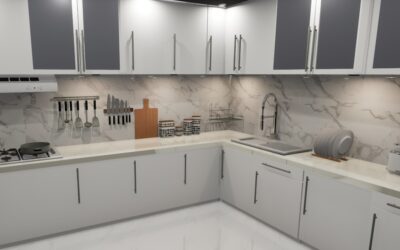
This tile earns its keep in spaces where light and moisture play off the surface. A kitchen backsplash behind a range catches under-cabinet lighting beautifully, turning an ordinary strip of wall into a focal point. In a bathroom, pearl tile on the shower walls or a tub surround reflects light and makes a small, windowless space feel brighter and larger. It also works as a powder-room accent wall or a fireplace surround. Because the color is quiet, it pairs with almost any cabinet or vanity color, from crisp white to deep navy to natural wood.
Choosing a Layout
The subway shape is endlessly flexible, and the layout you choose changes the whole personality of the wall. A traditional 50-percent offset brick pattern is the safe, timeless default. A vertical stack pushes the look modern and makes a low backsplash feel taller. Herringbone adds movement and a custom, high-end feel but uses more tile and labor. A vertical herringbone or a one-third offset splits the difference. With an iridescent tile, busier layouts like herringbone amplify the shimmer because more edges catch the light at different angles.
Picking the Right Grout
Grout color makes or breaks a subway installation. A white or pale gray grout keeps the look soft, seamless, and airy, letting the pearl finish carry the show. A darker grout, charcoal or greige, sharpens the grid and gives a more graphic, contemporary result, though it draws attention away from the tile’s subtle shimmer. For most pearl installations, a grout that closely matches the tile base color produces the most elegant, cohesive effect. Use a stain-resistant grout in wet areas, and consider a non-sanded grout for glass pearl tiles, since sanded grout can scratch delicate glass surfaces.
Cost Expectations
Pearl subway tile spans a wide price range depending on material. Ceramic pearl tiles run roughly $8 to $15 per square foot. Glass pearl and mother-of-pearl mosaics climb to $20 to $40 per square foot or more. Installation adds about $10 to $20 per square foot for a backsplash, with intricate layouts like herringbone at the higher end because they take longer and waste more tile. A typical kitchen backsplash is only 25 to 40 square feet, so even premium pearl tile stays within reach as a splurge on a small, high-impact area.
Installation Considerations
Iridescent and glass tiles demand extra care during setup. Because light passes through glass, use a white thinset rather than gray, or the darker adhesive will shadow through and muddy the color. Spread thinset evenly and comb it in one direction to avoid trowel lines telegraphing through translucent tiles. Cut glass pearl tile with a fine diamond blade and go slow to prevent chipping the delicate edges. Mesh-backed pearl mosaics speed installation considerably since the spacing is preset, but check alignment between sheets so the pattern stays continuous across seams.
Cleaning and Care
Pearl tile is low-maintenance but shows water spots and film if neglected. Wipe a backsplash with a soft cloth and a mild glass or pH-neutral cleaner, and buff dry to preserve the shimmer. In a shower, squeegee the tile after use to prevent hard-water spotting, which dulls the iridescence over time. Avoid abrasive scrubbers and acidic cleaners that can etch or scratch the glaze. Seal the grout in wet areas and reseal annually. With that light routine, the pearl finish holds its glow for the life of the installation.
Pairing Pearl Tile With Your Color Scheme
Because pearl subway tile is a soft, iridescent neutral, it plays well with almost any palette, but a little intention makes it sing. Against white or cream cabinets, pearl tile adds subtle shimmer and depth without breaking the light, airy feel. Against deep navy, forest green, or charcoal cabinetry, the pearlescent glow reflects light and keeps a dark kitchen from feeling heavy. With natural wood tones, the cool luster provides a gentle contrast that reads as both warm and elegant. Brass and gold hardware pick up the warm flecks in the glaze, while brushed nickel and chrome emphasize the cooler notes.
Countertops matter too. A busy, heavily veined stone counter pairs best with pearl tile in a calm, minimal layout so the two surfaces do not compete, while a quiet solid-surface counter gives you freedom to add a herringbone or stacked pattern for extra texture. Think of pearl tile as a chameleon: its base neutral anchors the room, and the iridescence lets it pick up and echo whatever colors surround it. That adaptability is exactly why designers keep reaching for it when they want a backsplash that feels custom and luminous without locking the kitchen into a single bold color that might feel dated in a few years.
Is Pearl Subway Tile Right for You?
If you love the classic subway shape but want a surface with more depth and light than flat white, pearl subway tile is an easy yes. It delivers subtle luxury, pairs with nearly any color scheme, and concentrates its cost in the small square footage of a backsplash or shower. Just view samples in your own lighting first, choose a layout and grout that match the mood you want, and give the finish the gentle care it needs. Done thoughtfully, it turns an ordinary wall into the quiet showpiece of the room. Order more than you think you need, since dye lots and the exact iridescent effect can vary between production runs, and keep a few spare tiles for future repairs. With the right layout, grout, and lighting in place, pearl subway tile rewards you every time the sun moves across it or the under-cabinet lights come on, delivering a soft, ever-changing glow that flat tile simply cannot match.
Prefer to explore on your own?
See how new flooring looks in your actual room in seconds — free, no signup.
Try the free Floor Studio →