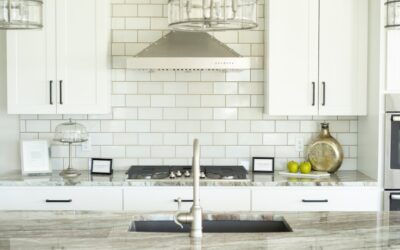
Subway tile has been a design staple for over a century, but the classic white 3×6 rectangle has become so common it can read as safe to the point of boring. Enter yellow subway tile, a color choice that keeps the timeless shape everyone loves while injecting warmth, personality, and a hit of sunshine that instantly makes a space feel custom. From soft buttery creams to bold mustard, yellow is one of the most rewarding ways to break out of the all-white kitchen or bath.
Color intimidates a lot of homeowners, and yellow has a reputation for being tricky. Get the shade and pairing right, though, and it’s one of the most cheerful, high-impact updates you can make. This guide covers the shades, the best places to use it, how to pair it, and the practical details of grout, sourcing, and installation.
The Shades of Yellow Subway Tile
Yellow is not one color, and the shade you choose completely changes the mood of the room. The main families you’ll shop:
- Pale and buttery yellows — soft, creamy tones that feel light and airy. These act almost like a warm neutral and are the easiest to live with long-term.
- Golden and honey yellows — richer, saturated tones with real warmth. They add coziness without going bold and pair beautifully with wood and brass.
- Mustard and ochre — deep, earthy, slightly muted yellows that read vintage and sophisticated. Mustard is the trendiest of the group and works especially well in retro and mid-century designs.
- Bright lemon and canary — punchy, high-energy yellows. Gorgeous as a statement, but use them deliberately; a whole wall of canary can overwhelm a small room.
Finish matters as much as color. A glossy glaze bounces light and intensifies the yellow, making it feel fresh and clean. A matte or crackle finish softens the color and leans handmade or vintage. If you love the mustard look but worry it’s too much, a matte finish tones it down noticeably.
Where to Use Yellow Subway Tile
The 3×6 ceramic subway format is versatile, and yellow works almost anywhere white does, with a bit more restraint.
Kitchen Backsplash
This is the sweet spot. A backsplash is a contained area, usually 30 to 40 sq ft, so you get the color impact without committing an entire room. Yellow behind white or wood cabinets is a classic cheerful combination, and a mustard backsplash against navy or forest-green cabinetry is a designer-favorite contrast.
Bathrooms
Pale yellow makes a small bathroom feel sunny and larger, especially with good lighting. It’s a smart choice for windowless powder rooms that need a lift. Reserve bold yellows for accent walls or a shower niche rather than every surface, so the space doesn’t feel closed in.
Accent Walls and Laundry Rooms
Yellow subway tile makes a fantastic accent wall in a mudroom, laundry, or behind a bar. These utility spaces are perfect for a playful color you might not commit to in a main living area.
How to Pair Yellow Subway Tile
Yellow plays well with more colors than people expect, but the pairing sets the entire tone. My go-to combinations:
- White and yellow — crisp, clean, and cheerful. The safest and most timeless pairing.
- Yellow and navy or deep green — sophisticated, high-contrast, and very on-trend. The dark tone grounds the bright yellow.
- Mustard and wood tones — warm, organic, and mid-century. Walnut or oak cabinets with mustard tile is a knockout.
- Yellow and gray — modern and balanced. Cool gray keeps warm yellow from feeling too sweet.
- Yellow and black — bold and graphic, especially with black hardware, faucets, and window frames.
Pro tip: pull metals into the scheme intentionally. Brass and gold fixtures amplify the warmth of yellow, while matte black or chrome create a crisper, more modern contrast. Bring a physical tile sample home and view it against your cabinets in daylight and at night before ordering, because yellow shifts dramatically under different lighting.
Choosing the Right Grout
Grout color is where a yellow subway tile project is made or broken, and it changes the look as much as the tile shade itself.
- White grout keeps things bright and clean but shows dirt; use a stain-resistant or epoxy grout in a kitchen.
- Light gray grout is the most popular choice. It defines each tile with a subtle shadow line, hides grime better than white, and gives that classic subway look without harsh contrast.
- Matching yellow-ish or beige grout makes the wall read as a seamless field of color, playing down the grid.
- Dark or charcoal grout creates a bold graphic grid. Striking with pale yellow, but it can feel busy across a large area, so test it first.
For a standard 1/16-inch subway joint, use unsanded grout. In a kitchen backsplash or shower, spend the extra money on epoxy grout so it stays stain-proof and never needs sealing, an upgrade of about $40 per project that pays off for years.
Sourcing Yellow Subway Tile
Yellow isn’t always a stocked color, so plan ahead. Big-box stores carry white and a few neutrals off the shelf, but real yellow usually comes from specialty tile showrooms, online tile retailers, and handmade or zellige-style makers. Expect a range in price:
- Standard glazed ceramic yellow subway tile: roughly $3 to $8 per sq ft.
- Handmade or crackle-glaze tile: $12 to $25 per sq ft, with more color variation tile to tile.
- Zellige-style Moroccan yellow: $20 to $50 per sq ft for that irregular, artisanal glow.
Order 10 to 15 percent extra for cuts and future repairs, and keep the dye-lot number. Yellow glazes vary between production runs even more than neutrals, so a reorder months later may not match. Handmade tiles show intentional color variation, so blend from multiple boxes as you set.
Installation Tips
Installing yellow subway tile is the same process as any 3×6 ceramic, but a few details help it look professional:
- Pick your pattern. A 50 percent offset (running bond) is classic. A vertical stack, herringbone, or one-third offset gives a more modern or custom look.
- Use tile spacers for consistent 1/16-inch joints, and check your lines with a level often.
- Set with a white thinset, not gray, behind lighter yellow tile, since gray adhesive can shadow through pale glazes.
- Dry-lay a section first to blend color variation and plan your cuts so slivers don’t land in prominent spots.
- Seal cement grout after curing, or skip sealing entirely by choosing epoxy grout.
For handmade or crackle tiles, seal the tile before grouting, because the crackle glaze and porous body can absorb grout pigment and discolor.
Care and Maintenance
Glazed ceramic yellow subway tile is one of the easiest surfaces in the house to keep looking good. The glaze is essentially a glass coating, so it doesn’t absorb stains and wipes clean with a damp cloth and mild dish soap. Avoid abrasive scouring pads and harsh scrubbing on glossy tile, since over years they can dull the sheen. For a kitchen backsplash behind a range, wipe grease off promptly so it doesn’t bake on.
The grout, not the tile, is where maintenance really lives. Cement grout in light gray or white will pick up cooking grease, splatter, and grime over time, especially near a cooktop. Wipe it down regularly, and reseal cement grout once a year to keep it stain-resistant. This is exactly why I steer homeowners toward epoxy grout in busy kitchens, it stays cleaner with almost no upkeep. Handmade and crackle-glaze yellow tile needs a bit more attention: the crackle finish can trap grime in its fine surface cracks, so keep it sealed and clean spills quickly.
Common Mistakes to Avoid
A few missteps trip up first-timers with colored tile, and yellow shows them more than white does. Watch for these:
- Ordering without seeing a sample in your own light. Yellow shifts more than any other color between showroom lighting and home lighting. Always test at home, day and night.
- Skipping the dry-lay. Handmade and glazed yellows vary tile to tile. Blend from several boxes so no cluster of off-tone pieces stands out.
- Using gray thinset behind pale tile. It can ghost through a light glaze and mute the color. Use white thinset for pale and translucent yellows.
- Choosing high-gloss canary for an entire small room. It can overwhelm the space. Reserve the boldest yellows for accents.
- Forgetting future repairs. Keep spare tiles and the dye-lot number, because a reorder rarely matches an original run of colored glaze.
Final Thoughts
A yellow subway tile installation is one of the easiest ways to add warmth and personality to a kitchen or bath while keeping the timeless subway shape that never goes out of style. Choose your shade to match your nerve, from an easy buttery cream to a confident mustard, pair it thoughtfully with white, navy, wood, or black, and let the grout color fine-tune the final look. Get those decisions right and you’ll have a sunny, characterful space that feels custom and stays fresh for years, all for the cost of a weekend backsplash project.
Prefer to explore on your own?
See how new flooring looks in your actual room in seconds — free, no signup.
Try the free Floor Studio →