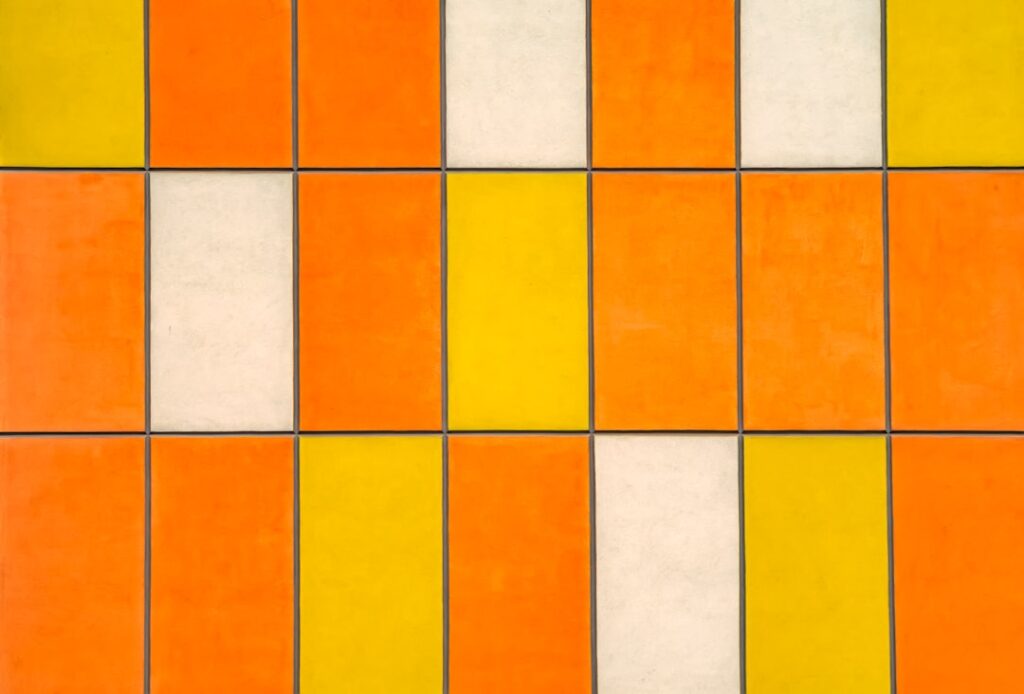
Color is back in interiors, and nothing announces it like a wall of glossy yellow tile catching morning light. After years of all-white kitchens and gray everything, homeowners are reaching for warmth and personality, and yellow delivers both. The trick is using it with intention, because the same shade that feels sunny and joyful in a backsplash can feel dated and overwhelming if it covers a whole bathroom. This guide walks through the shades that work, the best finishes and applications, design pairings, and how to commit to a bold color you’ll still love in five years.
Why Yellow Is Having a Moment
Yellow is the warmest color on the wheel, and it does something neutral tile can’t: it makes a space feel cheerful and alive. In a north-facing room that never gets direct sun, a warm yellow can fake the feeling of daylight. In a kitchen, it reads as inviting and energetic. The current revival leans into vintage and maximalist influences, where personality beats playing it safe.
It also photographs beautifully, which is part of why it’s spreading through design feeds. But beyond the trend, yellow has a practical strength: it pairs with an enormous range of materials, from warm woods and brass to deep blues and crisp whites, giving you flexibility in how bold or restrained the final look becomes.
Choosing the Right Shade
Not all yellows behave the same, and picking the wrong undertone is where projects go sideways. Here’s how the main families read:
- Soft butter and pale yellow: Gentle, easy to live with, and forgiving in large areas. The safest choice for covering more surface
- Mustard and ochre: Earthy, vintage, and sophisticated. Works beautifully in matte finishes and pairs with terracotta and warm woods
- Bright lemon and canary: High-energy and bold. Stunning as an accent, but overwhelming across a full room. Use in small, controlled doses
- Golden and amber: Rich and warm, leaning toward the brass and bronze fixtures trending now
The deeper and brighter the yellow, the smaller the area it should cover. Pale and muted shades can handle whole walls; saturated brights work best as a stripe, an inset, or a single feature.
Best Places to Use Yellow Tile
Kitchen Backsplash
The classic application. A backsplash is large enough to make an impact but small enough to stay tasteful, and it’s easy to balance with neutral counters and cabinets. Glossy yellow subway tile or zellige-style handmade tile both shine here.
Bathroom Accent Wall
A single shower wall or a vanity backsplash in yellow adds warmth to a room that’s often cold and white. Reserve the bold color for one plane and keep the rest neutral so the bathroom doesn’t feel like it closes in.
Floor Accents and Patterns
Yellow encaustic-look or patterned floor tile, used in an entry, mudroom, or powder room, brings vintage charm to small spaces where a bold floor won’t dominate the whole home.
Finishes and Tile Formats
Finish changes the personality of the color completely. A high-gloss glaze makes yellow vivid and reflective, amplifying brightness and bouncing light, which suits sunny, cheerful looks. A matte or satin finish mutes the color, reading more grounded and earthy, which flatters mustard and ochre tones especially.
Format matters too. Classic 3×6 subway tile keeps things clean and timeless. Square 4×4 tiles lean retro and vintage. Handmade zellige with its uneven surface and color variation adds artisanal depth and catches light unevenly, which softens a bold yellow into something organic. Penny rounds and hexagons bring playful pattern. Pick the format to match the era and mood you want.
Pairings That Keep It Tasteful
Yellow gets its best results next to the right partners. These combinations reliably look intentional rather than accidental:
- Yellow and white: Fresh, clean, and timeless; the white grounds the brightness
- Yellow and navy or deep blue: A high-contrast, sophisticated pairing that feels balanced
- Yellow and warm wood: Cozy and natural, perfect for kitchens with oak or walnut
- Mustard and terracotta: Earthy, Mediterranean, and rich without being loud
- Yellow with brass or gold fixtures: Warm-on-warm luxury that reinforces the color
Avoid pairing bright yellow with cool grays, which can make the yellow look harsh and the gray look dingy. Warm neutrals flatter yellow; cool ones fight it.
How to Commit Without Regret
Bold color triggers cold feet, so reduce the risk before you tile. Order physical samples and live with them taped to the wall for at least a few days, checking the color in morning, midday, and evening light, because yellow shifts dramatically with the light source. What looks cheerful at noon can look acidic under warm bulbs at night.
Keep the bold yellow on surfaces that are easy to change later if tastes shift, like a backsplash rather than an entire floor. Pair it with neutral, timeless elements so the room doesn’t read as one-note. And if you love yellow but fear commitment, use it as an accent stripe or a single feature within mostly neutral tile, which delivers the warmth with an easy exit if you ever redecorate.
The Takeaway
Grout Choices That Change the Whole Look
The grout color you pair with yellow tile dramatically shifts the result, and it’s an easy detail to overlook until it’s too late. A matching or tonal grout, close to the tile color, lets the tile read as a continuous field of color, which suits a soft, seamless modern look. A contrasting grout, like a crisp white or a warm gray, frames each tile and emphasizes the pattern, leaning vintage and graphic. A darker grout hides grime better in high-use areas but creates strong lines that can make a small space feel busy.
For glossy yellow subway tile, a light gray grout is a popular middle ground: it outlines the tiles just enough for definition without the stark contrast of bright white, and it hides everyday dirt. For handmade zellige with its color variation, a tonal grout keeps the focus on the tile’s natural movement. Order a grout sample and dry-fit it against your actual tile before committing, because grout is far harder to change than choosing it correctly the first time.
Cleaning and Maintaining Yellow Tile
Lighter and brighter tile can show grime and water spots more than dark tile, so keep yellow surfaces looking fresh with simple, regular cleaning. For glazed ceramic and porcelain, a soft cloth or sponge with warm water and a mild pH-neutral cleaner handles everyday grime without dulling the glaze. Avoid abrasive scrubbers and harsh acidic cleaners, which can scratch the surface or damage grout over time.
Grout lines are where yellow tile tends to look tired first, since they collect soap scum and discoloration. Seal cement grout after installation and reseal periodically in wet areas, and use a soft brush with a gentle cleaner to keep the lines bright. In a backsplash behind a stove, wipe up grease promptly so it doesn’t film over the glossy surface and dull that cheerful shine you paid for.
Yellow tile is one of the most rewarding ways to add warmth and personality to a home, as long as you scale the saturation to the surface area and pair it with warm, complementary tones. Choose softer shades for larger areas and save the brights for accents, match the finish and format to the mood you want, and always test the color in your own light before ordering. Done with intention, a sunny tile installation reads as confident and characterful, the opposite of the safe-but-forgettable neutrals it replaces.
Prefer to explore on your own?
See how new flooring looks in your actual room in seconds — free, no signup.
Try the free Floor Studio →