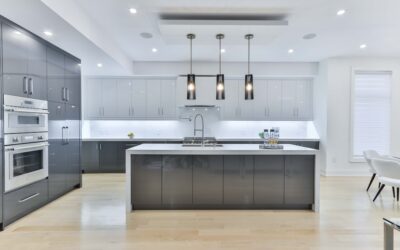
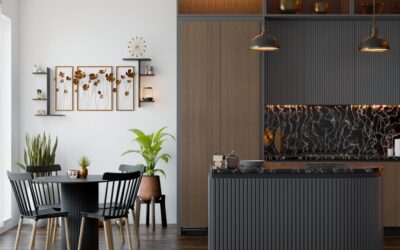
After a decade of painted-white kitchens, warm natural wood is firmly back, and the softest tones are leading the charge. Choosing the right light wood kitchen cabinet colors gives you a space that feels bright and airy like white cabinets but carries the grain, warmth, and durability that painted finishes never quite match. The trick is knowing which species and stains land in that sweet spot between too orange and too washed out.
Part of our Kitchen Remodeling guide — explore the full guide →
Below I break down the best light wood tones, the species that produce them, how to pair each with countertops and flooring, and the finish choices that keep a light kitchen looking current rather than dated.
Why Light Wood Cabinets Are Having a Moment
Designers gravitated back to natural wood because it adds texture and warmth that flat paint cannot. Light tones specifically keep a kitchen feeling open, reflect more daylight than mid or dark woods, and hide dust and minor scuffs far better than a bright white lacquer. They also read as timeless; white oak and maple have been kitchen staples for generations, so they will not feel like a trend in five years.
There is a practical bonus too. A light natural finish shows fewer fingerprints and water spots than glossy white paint, which matters on the cabinets around your sink and range where hands land constantly. Natural wood also ages gracefully; small dings and scratches blend into the grain instead of exposing a bright white primer coat the way a chipped painted door does. For busy family kitchens, that forgiveness translates directly into fewer touch-ups over the life of the cabinets.
White Oak: The Modern Favorite
White oak is the current gold standard for light wood cabinets. Its straight, open grain looks contemporary, and it takes a clear or whitewashed finish without turning yellow or orange the way red oak does. Rift-cut and quarter-sawn white oak, with their tight vertical grain, command the highest prices but deliver that clean Scandinavian look.
Expect white oak cabinetry to run higher than most species, often $500 to $1,200 per linear foot for semi-custom and well beyond for custom. To keep the tone light and cool, ask for a natural matte finish or a whitewash rather than a warm honey stain. Pair white oak with white or soft gray quartz, matte-black or brushed-brass hardware, and warm white walls.
Maple: Smooth, Pale, and Budget-Friendly
Maple offers a pale, creamy tone with a subtle, nearly uniform grain, which makes it a favorite for buyers who want light wood without a strong grain pattern. It is harder and less expensive than white oak, running roughly $300 to $700 per linear foot semi-custom, and it holds a clear coat beautifully.
One caution: natural maple can pull slightly yellow or amber over time under UV light. A water-based clear finish slows that shift better than an oil-based poly. Maple’s smooth surface also takes a light gray or greige stain well if you want to neutralize warmth entirely.
Birch, Ash, and Hickory Options
Beyond oak and maple, a few species deliver light tones with distinct personalities:
- Birch is inexpensive and pale with a fine grain, close to maple in look but often more affordable. It stains a touch unevenly, so a light natural finish suits it best.
- Ash resembles white oak with a bold, open grain and a very light background, an excellent lower-cost alternative for that modern oak look.
- Hickory runs light overall but with dramatic color variation and character marks, ideal for a rustic or farmhouse kitchen where you want more visual movement.
Best Stain and Finish Colors
The finish you choose matters as much as the species. These are the light-wood directions that look best in real kitchens:
Natural Clear Coat
A simple clear matte or satin topcoat lets the raw wood tone show through. On white oak and maple this reads clean and modern. Choose a water-based conversion varnish or lacquer to avoid the amber cast that oil-based finishes add.
Whitewash and Cerused
A whitewash or lightly pickled finish knocks warmth out and lifts the color toward soft blond. A cerused finish, where white pigment is worked into open grain, emphasizes the wood’s texture and looks especially striking on oak and ash.
Greige and Soft Gray Stains
For a light but color-neutral cabinet, a greige or pale gray stain over maple or birch gives you the airy feel of light wood with none of the yellow. It coordinates easily with cool-toned countertops and modern hardware.
Pairing Light Cabinets With Counters and Floors
Light wood is flexible, but a few combinations consistently look best. For countertops, white and soft-gray quartz keep the palette bright, while a warm marble-look surface plays up the wood’s natural warmth. Butcher block on an island adds a second wood tone that reinforces the organic feel.
On flooring, contrast is your friend. Light cabinets over a mid-tone or dark wood or luxury vinyl floor create definition, while matching the floor too closely to the cabinets can wash the whole room out. If you want a tonal look, vary the finish sheen and grain direction so the surfaces still read as distinct.
For walls, warm whites and soft greiges let the wood take center stage. Deep accent colors like navy or forest green on an island or a single wall look sophisticated against pale cabinets without overwhelming them.
Hardware and Lighting That Complete the Look
Light wood cabinets pair cleanly with almost any hardware, but the strongest looks lean into contrast. Matte-black pulls read modern and graphic; unlacquered or brushed brass adds warmth and a slightly organic feel that suits oak. Avoid shiny chrome, which can look cold and dated against natural wood.
Under-cabinet LED strips in a warm 2700K to 3000K temperature flatter light wood and eliminate the shadow lines that make a natural finish look flat. Cool white lighting, by contrast, can make pale wood look gray and lifeless.
Frequently Asked Questions
What is the most popular light wood for kitchen cabinets right now?
White oak leads by a wide margin. Its straight grain, cool undertone, and ability to take a clear or whitewashed finish without yellowing make it the go-to for modern and transitional kitchens. Ash is a strong, lower-cost stand-in for the same look.
Do light wood cabinets make a kitchen look bigger?
Yes. Pale tones reflect more daylight and reduce the visual weight of upper cabinets, so the room feels more open than it would with mid or dark wood. Pairing them with light counters and walls amplifies the effect.
How do I keep natural wood cabinets from turning yellow?
Specify a water-based clear finish rather than oil-based polyurethane, which ambers over time, and limit direct UV exposure with window treatments. Maple and birch are the most prone to yellowing, while white oak resists it well.
Are light wood cabinets a passing trend?
Natural wood has been a kitchen constant for generations, so classic species like white oak and maple in restrained finishes are unlikely to date. Trend risk comes from heavy stains and extreme grain, not from light natural wood itself.
Whether you land on rift-cut white oak, creamy maple, or a budget-friendly ash, the best light wood kitchen cabinet colors share the same qualities: a clean grain, a finish that resists yellowing, and pairings that let the wood breathe. Get those three right and you have a kitchen that feels bright today and still looks intentional a decade from now.