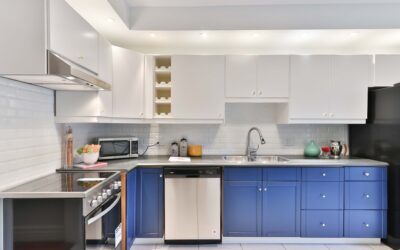
White Shaker cabinets have been the top-selling kitchen color for the better part of a decade, but the category of light cabinets stretches far beyond plain white. Soft greige, warm cream, natural rift-cut oak, and pale sage all qualify, and each plays differently with countertops, backsplash, and floors. Pick the wrong undertone and a $35,000 kitchen looks dated in three years. Pick the right one and the same boxes from the same shop look custom and timeless.
Part of our Kitchen Remodeling guide — explore the full guide →
White Is Not Just White
Sherwin-Williams stocks more than 150 whites, and Behr carries 80 plus. Three are worth knowing by code because they dominate cabinet showrooms: Sherwin-Williams Alabaster SW 7008 (warm cream undertone), Benjamin Moore White Dove OC-17 (slightly creamy, no yellow), and Benjamin Moore Simply White OC-117 (the cleanest true white available in cabinet finish). Pure cool whites like Decorator White OC-149 read clinical without warm flooring or counters to balance them.
Always tape a 12 inch by 12 inch swatch to the wall and look at it under your actual kitchen lighting morning and evening. White shifts dramatically between LED 2700K and 4000K bulbs.
Cream and Greige: Warmer Options
Sherwin-Williams Accessible Beige SW 7036 and Benjamin Moore Edgecomb Gray HC-173 are the two greiges that show up most often on painted cabinets. They both have a green-gray undertone that pairs well with quartz veining and warm wood floors. For a stronger cream, Benjamin Moore Manchester Tan HC-81 reads almost like vanilla and pairs especially well with brass hardware.
The trade-off with cream cabinets is honesty about cleaning. Cooking splatters show faster on cream than on pure white, and oil-based stains require warmer water to lift completely.
Natural Wood Light Cabinets
Rift-cut white oak is dominating the 2026 design press for good reason. The straight grain and pale honey color reads modern without the orange yellow that haunted oak cabinets from the 1990s. Expect $400 to $600 per linear foot for semi-custom rift-cut oak from KraftMaid or Crystal Cabinets, more for fully custom from local shops.
Other pale wood options include maple in a wheat or natural stain, ash with a clear coat, and quartersawn birch. Avoid red oak unless you specifically want the warm pink undertone. It is hard to mix with cool quartz countertops or modern hardware.
Counters That Pair With Light Cabinets
The biggest mistake homeowners make is matching the cabinet color too closely to the counter. The eye needs contrast to read the layers. Pair white or cream cabinets with one of these surfaces:
- Calacatta-pattern quartz (Cambria Brittanicca, Caesarstone 5151 Empira): $70 to $110 per sq ft installed
- Soapstone or honed black granite: $60 to $120 per sq ft installed
- Butcher block walnut or cherry: $40 to $80 per sq ft, requires oil maintenance
- Polished Carrara or Calacatta marble: $80 to $150 per sq ft, etches with acids
For natural oak cabinets, lean into white or cream-veined quartz like Cambria Ironsbridge or Caesarstone London Grey to keep the contrast clean.
Hardware That Sets the Style
Unlacquered brass is the current darling for warm light cabinets. Rejuvenation, Schoolhouse, and Pottery Barn all carry the look in pulls running $18 to $40 each. The patina that develops over six months is part of the appeal, but the lacquered version (true polished brass) stays bright with periodic Brasso polish.
For cooler white cabinets, polished nickel or satin black works better. Top Knobs Bayport and Restoration Hardware Aubrey hardware run $25 to $55 a pull. Avoid the cheap chrome pulls that come bundled with builder-grade kitchens. They wear within two years and the plating chips around the screw holes.
Flooring Pairings That Avoid the Yellow Trap
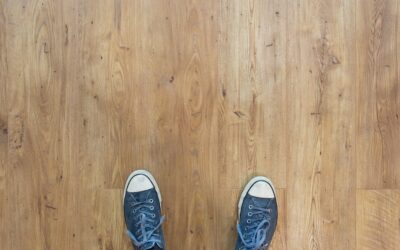
White oak engineered flooring in a neutral white or natural stain is the safest bet under any color of light cabinet. Brands like Carlisle, Stuga, and DuChateau hit the $9 to $18 per sq ft price band for engineered planks with 4 mm wear layers. Site-finished solid white oak in a Bona NaturalSeal finish runs $6 to $10 per sq ft for material plus $4 to $7 for installation.
Avoid red oak or any orange-toned wood under white cabinets. The contrast pushes the cabinets toward gray and the floor toward salmon, which looks dated quickly. Wide plank LVP in a light oak look like Karndean Korlok Reserve or COREtec Stone hits similar aesthetics for half the price.
Backsplash and Wall Color
The backsplash is the third design layer that ties cabinets and counters together. Subway tile in 2×6 or 3×9 dimensions remains the most flexible choice. White subway with light gray grout reads classic. Zellige tile from Clé or Cement Tile Shop adds handmade texture for $25 to $40 per sq ft. Slab backsplashes that match the counter are gaining traction for clean, modern kitchens but cost $80 to $200 per sq ft installed.
Wall paint above the backsplash should be lighter than the cabinets if you want the cabinets to feel grounded. Try Sherwin-Williams Pure White SW 7005 or Benjamin Moore Chantilly Lace OC-65 above cream or off-white cabinets.
Lighting Affects How Light Cabinets Read
Under-cabinet LED strips at 3000K (warm white) flatter cream and natural wood. 4000K (cool white) brightens true white cabinets but can make warm tones look anemic. Plan 200 lumens per linear foot of counter under the wall cabinets. Recessed cans should match the under-cabinet temperature within 500K to avoid a patchy look at night.
Test the temperature with a $30 Hue or LIFX bulb before committing to permanent fixtures. Switching color temperature after installation often means rewiring fixtures.
Maintenance Reality
Light cabinets show fingerprints, splatters, and yellowing over time. Painted finishes hold up best when factory-applied with a catalyzed conversion varnish (Sherwin-Williams Kem Aqua Plus or ML Campbell Resistant) rather than brush-painted on site. Wipe down doors weekly with a damp microfiber and once a quarter with a degreasing cleaner like Method Daily Kitchen Spray. Painted cabinets near the cooktop yellow first because of cooking vapors. A range hood vented to outside cuts that yellowing by 80 percent.