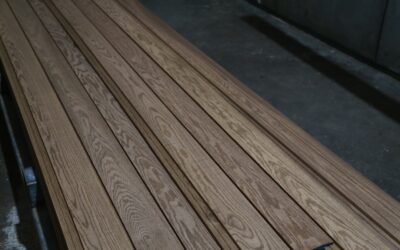
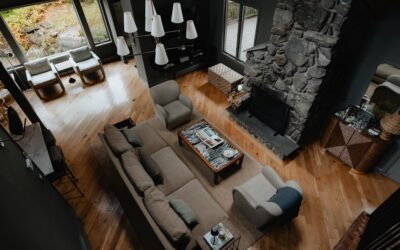
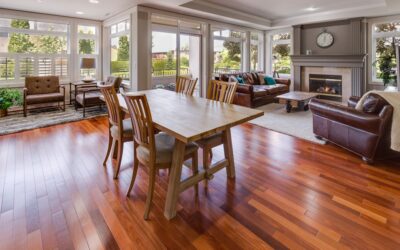
White oak engineered flooring is the most popular hardwood flooring choice in America for 2026, combining the timeless beauty of white oak with the structural advantages of engineered construction. Its clean grain, warm neutral tones, and exceptional durability make it the go-to option for everything from modern minimalist interiors to traditional homes. This guide covers construction details, finish options, plank widths, top brands, pricing, and how white oak engineered compares to its solid hardwood counterpart.
- Why White Oak Dominates Engineered Flooring
- How White Oak Engineered Flooring Is Constructed
- White Oak Engineered Flooring Finishes
- Plank Widths and Lengths
- Top White Oak Engineered Flooring Brands (2026)
- Pricing Breakdown for 2026
- White Oak Engineered vs Solid White Oak Flooring
- Installation Tips for White Oak Engineered Flooring
- Is White Oak Engineered Flooring Worth It?
Why White Oak Dominates Engineered Flooring
White oak (Quercus alba) has surged past red oak as the preferred species for engineered wood flooring for several compelling reasons. Its grain pattern is subtle and refined, with a straight, consistent character that complements both contemporary and traditional design. The color palette ranges from pale straw to warm honey, aging gracefully into deeper golden tones over time.
From a performance standpoint, white oak is naturally more water-resistant than red oak because its pores are filled with tyloses, cellular growths that block moisture penetration. With a Janka hardness of 1,360, white oak handles foot traffic, furniture, and daily wear with ease. These practical qualities, combined with its aesthetic versatility, explain why white oak commands the largest share of the engineered hardwood market.
How White Oak Engineered Flooring Is Constructed
Engineered flooring is a layered product, and understanding its construction helps you evaluate quality and value.
The Wear Layer (Top Veneer)
The top layer is real white oak hardwood, sawn or sliced from the log. Wear layer thickness is the single most important quality indicator:
- 0.6mm to 1mm: Entry-level. Cannot be sanded. Suitable for low-traffic areas.
- 2mm: Mid-range. Can be lightly sanded and refinished once.
- 3mm to 4mm: Premium. Can be sanded and refinished 2 to 3 times.
- 6mm: Ultra-premium. Rivals solid wood in refinishing potential (3 to 5 times).
For long-term value, look for a wear layer of at least 2mm. If you plan to keep the floor for 25+ years and want the option to refinish, 3mm or thicker is worth the investment.
The Core Layers
Below the wear layer, multiple plywood or HDF layers are bonded together with the grain direction alternating at 90 degrees. This cross-grain construction gives engineered flooring its dimensional stability, resisting the expansion and contraction that plagues solid hardwood in changing humidity conditions.
Core construction varies by quality tier:
- Baltic birch plywood core: Premium option with excellent stability and moisture resistance
- Eucalyptus or poplar plywood core: Good mid-range option
- HDF (high-density fiberboard) core: Budget option, less moisture-resistant but flat and consistent
The Backing Layer
A thin veneer on the bottom balances the construction, preventing warping and ensuring the plank lies flat. Some products include an attached cork or foam underlayment for sound dampening.
White Oak Engineered Flooring Finishes
The finish affects both the appearance and maintenance requirements of your white oak floor. Here are the primary finish categories available in 2026.
UV-Cured Urethane (Factory Finish)
Most white oak engineered flooring comes prefinished with UV-cured urethane in either matte, satin, or semi-gloss sheens. Factory finishes are harder and more consistent than site-applied finishes because they are cured with ultraviolet light under controlled conditions. Aluminum oxide is often added to the topcoat for scratch resistance.
Matte and low-sheen satin finishes dominate the 2026 market, as they hide scratches and dust better than higher gloss options while delivering a more natural, organic appearance.
Hardwax Oil
Hardwax oil finishes penetrate into the wood rather than forming a film on the surface. They produce a natural, matte look that highlights the wood’s texture and grain. European brands like Rubio Monocoat and Osmo have popularized this finish category, and many premium white oak engineered products now offer factory-applied hardwax oil.
Hardwax oil requires more frequent maintenance (recoating every 1 to 3 years in high-traffic areas) but offers the advantage of easy spot repairs. Scratches and wear marks can be blended away without sanding the entire floor.
Wire-Brushed Texture
Wire brushing removes the softer wood fibers from the surface, leaving the harder grain structure slightly raised. This creates a tactile, textured surface that masks scratches and adds rustic character. Wire-brushed white oak is one of the most popular finish combinations because it balances modern aesthetics with practical durability.
Smoked and Reactive Stains
Smoking (fuming with ammonia) and reactive staining darken white oak through chemical reactions with the wood’s natural tannins. These processes produce rich brown, gray, and charcoal tones that penetrate deeply into the wood, creating colors that do not fade or wear away like surface stains.
Color Options
White oak’s neutral base accepts stains and treatments beautifully, offering an enormous range of color options:
- Natural: Warm straw to honey tones
- Light gray (cerused): White pigment rubbed into the grain for a Scandinavian look
- Medium brown: Classic, traditional warmth
- Dark brown (espresso/walnut): Rich and dramatic
- Charcoal/ebony: Bold, modern statement
- Cool gray: Contemporary and versatile
Plank Widths and Lengths
White oak engineered flooring is available in a wide range of plank dimensions. Width and length choices significantly impact the visual effect of the finished floor.
Standard Widths
- 3 to 4 inches: Traditional strip flooring look. Works well in smaller rooms.
- 5 inches: The most common width. Versatile for any room size.
- 7 to 8 inches: Wide plank. Modern, open feel. Shows more grain character.
- 9 to 12 inches: Ultra-wide plank. Premium look. Requires stable core construction.
Wide planks (7 inches and above) are the dominant trend in 2026. They create a sense of spaciousness, show off white oak’s beautiful grain, and require fewer seams per square foot. However, wider planks demand higher-quality core construction to prevent cupping and gapping.
Plank Lengths
Longer planks create a more seamless, upscale appearance. Entry-level products often come in random lengths averaging 36 to 48 inches. Premium products may include planks up to 72 or even 86 inches long. Some manufacturers offer fixed-length planks in specific dimensions, while others ship random lengths within a stated range.
Top White Oak Engineered Flooring Brands (2026)
Garrison Collection
Known for high-quality European white oak with thick wear layers (typically 4mm to 6mm), Garrison offers wire-brushed and smooth finishes in contemporary colors. Their products are prefinished with advanced UV-cured coatings and come in wide plank formats up to 9.5 inches. Price range: $7 to $12 per square foot.
Kahrs
The Swedish brand Kahrs pioneered engineered hardwood flooring and remains a leader in quality and sustainability. Their white oak products feature patented Woodloc click-lock installation, certified sustainable sourcing, and a range of finishes from natural to deeply stained. Price range: $6 to $11 per square foot.
Shaw Floors (Repel Hardwood)
Shaw’s Repel line combines white oak wear layers with waterproof core technology, offering the beauty of white oak with enhanced moisture protection. Available through dealers and home centers, Shaw is widely accessible and well-priced. Price range: $4 to $8 per square foot.
Mohawk (RevWood and TecWood)
Mohawk’s TecWood engineered hardwood includes several white oak collections with wear layers ranging from 2mm to 3mm. Their UltraWood line features thicker veneers for premium installations. Widely distributed and competitively priced. Price range: $4 to $9 per square foot.
Monarch Plank
A premium brand specializing in European white oak, Monarch Plank is favored by designers for its curated color palettes and artisan finishes. Wear layers are typically 4mm, and planks are available in wide formats with long lengths. Price range: $8 to $14 per square foot.
Pricing Breakdown for 2026
White oak engineered flooring spans a broad price range depending on wear layer thickness, brand, and finish quality.
- Budget (thin wear layer, basic finish): $3 to $5 per square foot
- Mid-range (2mm+ wear layer, quality finish): $5 to $9 per square foot
- Premium (4mm+ wear layer, European oak, designer finish): $9 to $14 per square foot
- Professional installation: $3 to $6 per square foot
- DIY-friendly click lock installation: $0 (just your time)
For a 1,000-square-foot installation, expect total costs of $6,000 to $20,000 including materials, underlayment, transitions, and professional installation. DIY installers using click lock products can save $3,000 to $6,000 on labor.
White Oak Engineered vs Solid White Oak Flooring
Choosing between engineered and solid white oak involves weighing practical factors against traditional preferences.
Dimensional Stability
Engineered white oak wins decisively on stability. Its cross-grain construction resists expansion and contraction, making it suitable for below-grade basements, concrete slabs, and radiant heating systems where solid hardwood would be risky. Solid white oak can gap in dry winters and cup in humid summers, especially in wider plank formats.
Installation Flexibility
Engineered white oak can be floated (click lock), glued down, or nailed down, giving you three installation methods to choose from. Solid hardwood flooring is limited to nail-down over wood subfloors in most cases.
Refinishing
Solid white oak (3/4-inch thick) can be sanded and refinished 5 to 7 times over its lifetime. Engineered white oak refinishing depends on wear layer thickness, ranging from zero refinishes (thin veneer) to 3 to 5 refinishes (6mm veneer). For most homeowners, 2 to 3 refinishes over 30 to 50 years is more than sufficient.
Cost
Solid white oak flooring typically costs $5 to $10 per square foot for the material, plus $4 to $7 for professional nail-down installation and $2 to $4 for sanding and finishing. Total installed costs for solid white oak often exceed engineered, especially when factoring in site finishing.
The Verdict
For most homeowners in 2026, white oak engineered flooring is the smarter choice. It offers the same beauty, comparable durability, greater installation flexibility, and better performance in challenging environments. Solid white oak remains the choice for purists who want maximum refinishing potential and the authentic feel of 3/4-inch solid wood underfoot.
Installation Tips for White Oak Engineered Flooring
Whether you are hiring a professional or tackling the project yourself, these tips ensure the best results with white oak engineered flooring.
- Acclimate the flooring in the installation room for at least 48 hours before beginning
- Check subfloor moisture levels before installation (under 3 lbs for concrete, under 12% for wood)
- Install a vapor barrier over concrete subfloors
- Maintain 1/4-inch expansion gaps at all walls and fixed objects
- Stagger end joints by at least 6 inches between adjacent rows (12+ inches preferred)
- Pull from multiple boxes simultaneously to blend color and grain variation naturally
- Use recommended underlayment or skip it if the product has attached padding
Is White Oak Engineered Flooring Worth It?
White oak engineered flooring offers the best balance of beauty, performance, and value in the hardwood flooring market. Its neutral aesthetics work with any design style, its engineered construction solves the practical problems of solid hardwood, and its price range accommodates budgets from modest to luxurious. If you want real hardwood floors that install easily and perform reliably, white oak engineered flooring is the definitive choice for 2026.
Prefer to explore on your own?
See how new flooring looks in your actual room in seconds — free, no signup.
Try the free Floor Studio →