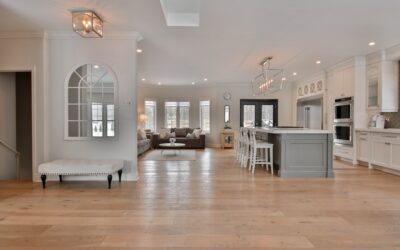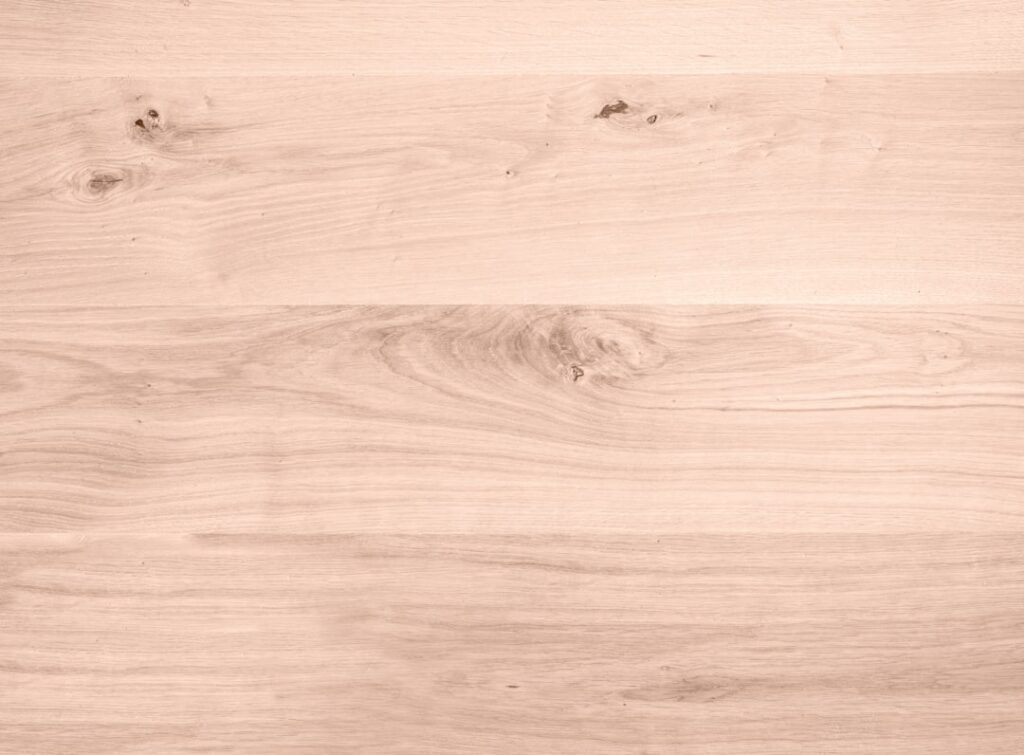
Homeowners who want the warmth of real wood but live over a concrete slab or in a humid climate keep landing on the same answer. Engineered plank flooring bonds a genuine hardwood veneer to a stable multi-layer core, giving you authentic oak or walnut underfoot without the cupping and gapping that plague solid boards. It is now the best-selling category of wood flooring in North America, and for good reason. This guide explains how it is built, what to look for, and what you should pay.
How Engineered Planks Are Built
Every engineered plank has two parts: a top wear layer of real hardwood and a core beneath it. The wear layer is what you see, sand, and refinish. The core, made of cross-laminated plywood or high-density fiberboard, is engineered so its grain directions oppose each other layer by layer. That cross-construction is the secret. Wood naturally expands across the grain, but when layers pull against one another, the plank stays remarkably flat through seasonal humidity swings that would warp a solid board.
Wear Layer: The Number That Matters Most
If you read one spec on the carton, make it the wear-layer thickness. It determines how the floor ages and whether you can ever sand it.
- 0.6mm to 1mm — entry-level. Cannot be sanded; treat it as a one-life floor. Fine for rentals or low-traffic rooms.
- 2mm to 3mm — the sweet spot for most homes. Allows one to two light refinishes over a 25 to 40 year life.
- 4mm to 6mm — premium. Sands two or three times and rivals solid wood for longevity.
A cheap plank with a paper-thin veneer is false economy. If the floor scratches through to the core, there is no fixing it, only replacing it.
Core Types and Quality
Not all cores are equal. A Baltic birch or hardwood plywood core resists moisture and holds fasteners well, making it the gold standard for nail-down installs. HDF cores are denser and cheaper but more vulnerable to swelling if water sits on a seam. A few premium lines use a stone-polymer or SPC core, blending engineered wood looks with waterproof performance — handy in kitchens and bathrooms where spills are routine.
Installation Methods
One of engineered flooring’s biggest advantages is install flexibility. The same plank can often go down three different ways.
- Floating (click-lock) — planks snap together and rest on a foam underlayment over the subfloor. Fast, DIY-friendly, and ideal over concrete.
- Glue-down — full-spread adhesive bonds the plank to the slab for the most solid, quiet feel underfoot.
- Nail or staple-down — used over wood subfloors with thicker engineered boards, just like solid wood.
Because it can float or glue over concrete, engineered plank is the go-to for basements, condos, and slab homes where solid wood simply will not work.
What Engineered Plank Flooring Costs
Pricing spans a wide range based on species, wear-layer thickness, and width. Entry-level planks with thin veneers start around $3 per square foot. Mid-grade oak with a 2mm to 3mm wear layer runs $5 to $9. European white oak in wide 7-inch planks with a thick veneer can reach $10 to $14 per square foot. Installed, expect to add $3 to $6 per square foot for labor, putting a typical finished floor between $8 and $16 per square foot.
Buy 10% extra for waste, and keep one carton in reserve for future repairs. Wide planks in diagonal layouts may need 15% overage.
Engineered Plank vs. Solid Wood vs. LVP
Where does it sit against the alternatives? Compared to solid hardwood, engineered planks are more stable over concrete and in humidity but offer fewer refinishes unless you buy a thick wear layer. Compared to luxury vinyl plank, engineered flooring is genuine wood with real resale appeal and a warmer feel, but LVP is fully waterproof and cheaper. If you want true wood and have a slab or radiant heat, engineered wins. If you need a bulletproof, kid-and-pet-proof, fully waterproof floor on a budget, LVP often makes more sense.
Pros and Cons
- Pros: real hardwood surface, dimensional stability over concrete and radiant heat, multiple install options, wide-plank availability, and strong resale value.
- Cons: thin wear layers limit refinishing, standing water can still damage seams on plywood and HDF cores, and quality varies enormously between brands at similar price points.
Plank Width, Length, and Finish
Beyond construction, the dimensions and surface of a plank shape the whole room. Narrow 3-inch boards read traditional and busy, while wide 7-to-9-inch planks feel modern and make a space look larger by reducing the number of seams. Long planks up to 84 inches create fewer end joints and a more seamless look, though they cost more. Engineered construction is what makes these wide, long planks practical in the first place, since solid wood at that width would move dramatically with humidity.
Surface texture matters for both looks and durability. Wire-brushed and hand-scraped finishes hide scratches and dents far better than smooth, glossy surfaces, making them the smart choice for homes with dogs and kids. Matte and satin sheens also disguise wear and foot traffic better than high-gloss, which shows every scuff. For the wear finish itself, aluminum-oxide topcoats applied at the factory resist abrasion better than most site-applied coatings.
Maintenance and Longevity
Engineered floors are easy to live with but not maintenance-free. Sweep or dust-mop regularly to keep abrasive grit off the surface, and clean with a hardwood-specific cleaner rather than a wet mop or steam mop that can drive water into the seams. Use felt pads under furniture and entry mats at every door to trap grit. With a thick 4mm to 6mm wear layer, you can screen and recoat the finish every 7 to 10 years and even sand it once or twice across its life, stretching the floor past 30 years. A thin-veneer plank cannot be sanded, so protecting its finish from scratches matters even more.
How to Choose the Right Plank
Start with where it is going. Over concrete or radiant heat, engineered is your only sensible wood option. Then prioritize the wear layer — spend on at least 2mm if you want the floor to last decades and survive a refinish. Pick a hardwood plywood core for nail-down jobs, and consider an SPC-core engineered line in wet rooms. Get those three choices right, and engineered plank flooring delivers the look of a solid wood floor with the resilience modern homes demand.
Prefer to explore on your own?
See how new flooring looks in your actual room in seconds — free, no signup.
Try the free Floor Studio →