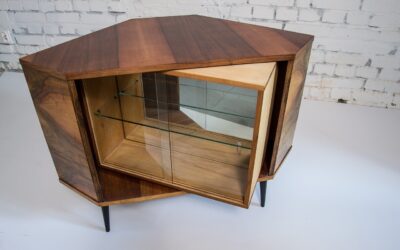
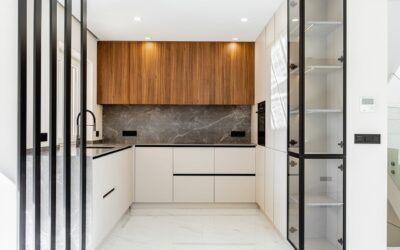
Choosing among wood kitchen cabinet colors is one of the biggest decisions in any kitchen remodel, because cabinets dominate the visual field and set the tone for everything else, from countertops to flooring to wall paint. Natural wood has surged back into favor after years of all-white kitchens, and homeowners now have a rich palette to consider, from pale white oak to deep espresso walnut and warm honey maple. This guide breaks down the most popular wood tones, how to pair them, and what to expect on cost.
Part of our Kitchen Remodeling guide — explore the full guide →
- Why Natural Wood Is Back
- Light Wood Tones
- Medium Wood Tones
- Dark Wood Tones
- Painted Wood Finishes
- The Two-Tone Kitchen Approach
- Pairing Cabinets With Counters and Flooring
- What Wood Cabinets Cost
- Stain vs. Natural vs. Painted
- How Lighting Changes Wood Tones
- Maintenance and Longevity
- Choosing the Right Color for Your Kitchen
Why Natural Wood Is Back
The all-white kitchen ruled the 2010s, but design has shifted toward warmth, texture, and organic materials. Natural wood grain brings depth that a flat painted surface cannot match, and it hides everyday wear better than bright white. Wood tones also feel timeless in a way that trend colors do not, which matters when cabinets are a long-term investment you may keep for 20 years. The current movement embraces visible grain, matte finishes, and warmer undertones over the cool grays that dominated the last decade.
Light Wood Tones
Light woods make a kitchen feel airy, larger, and Scandinavian-modern. The standouts are:
- White oak: the current darling, with a subtle straight grain and a clean, contemporary look, often finished in a natural matte or rift-cut for a refined effect.
- Maple: smooth and fine-grained, taking natural and light stains beautifully, a durable workhorse.
- Birch: a budget-friendly light wood with a soft, even tone.
- Ash: pronounced grain similar to oak, pale and airy.
Light woods pair well with white or soft quartz countertops, matte black or brass hardware, and both light and dark flooring. They are forgiving in small kitchens where you want to maximize the sense of space.
Medium Wood Tones
Medium tones deliver the classic, welcoming warmth most people picture in a wood kitchen. Honey oak, natural cherry, and hickory fall in this range. Cherry deepens and reddens as it ages, developing a rich patina over the years. Hickory offers dramatic grain variation and rustic character, ideal for farmhouse and cabin styles. Medium woods hide fingerprints and minor scuffs well, making them practical for busy family kitchens. They pair naturally with cream, tan, and warm gray walls and with granite or warm-toned quartz counters.
Dark Wood Tones
Dark cabinets bring drama, sophistication, and a sense of luxury. Walnut is the premium choice, with a chocolate-brown color and flowing grain that reads high-end without any stain. Espresso-stained maple or oak achieves a similar depth at a lower cost. Dark woods look stunning against light countertops and backsplashes, which provide necessary contrast, and they suit larger kitchens with good natural light. In small or dim kitchens, dark cabinets can feel closed in, so balance them with bright counters, under-cabinet lighting, and light flooring.
Painted Wood Finishes
Wood cabinets do not have to show natural grain. Painted wood combines the substrate’s durability with color flexibility. The most enduring painted tones include:
- Classic white and off-white: timeless and bright, though it shows wear at high-touch spots.
- Sage and forest green: extremely popular now, warm and nature-inspired.
- Navy blue: a rich, versatile choice especially for islands.
- Warm greige and mushroom: soft neutrals that feel current and calming.
- Charcoal and black: bold and modern, best with contrast and good lighting.
The Two-Tone Kitchen Approach
One of the strongest trends is combining two finishes: natural wood on the perimeter with a painted island, or dark lowers with light uppers. This adds visual interest, defines zones, and lets you use a bolder color in a smaller dose. A popular formula pairs white oak perimeter cabinets with a deep green or navy island, or light painted uppers with warm wood lowers. Two-tone kitchens feel custom and considered, and they let you hedge your bets rather than committing the whole room to one color.
Pairing Cabinets With Counters and Flooring
The rule of thumb is to contrast the cabinet and counter tones for definition. Light cabinets look crisp with a slightly darker counter or a bold veined quartz, while dark cabinets pop against light counters. For flooring, avoid matching the wood tone too closely to the cabinets, which can make the space feel flat; instead, choose a floor a few shades lighter or darker, or a contrasting undertone. Keep undertones consistent, warm wood cabinets sit best with warm-toned floors and vice versa, to avoid a clashing mix of cool and warm.
What Wood Cabinets Cost
Wood cabinet pricing depends heavily on species and construction:
- Stock cabinets (oak, maple, birch): $100 to $300 per linear foot.
- Semi-custom cabinets: $150 to $650 per linear foot.
- Custom walnut or cherry: $500 to $1,200 or more per linear foot.
A full mid-range kitchen of wood cabinets typically runs $8,000 to $25,000 installed. Refacing existing boxes with new wood veneer doors costs far less, often $4,000 to $10,000, and is a smart middle path when the cabinet frames are sound.
Stain vs. Natural vs. Painted
How you finish the wood matters as much as the species you choose. A natural or clear finish shows the wood’s true color and grain, which is ideal for beautiful species like walnut, white oak, and cherry that need no help. A stain lets you shift the tone warmer, cooler, or darker while still allowing the grain to show through, giving you flexibility to match a specific look. Paint hides the grain entirely for a smooth, uniform color, which is the right call for less attractive woods or when you want a bold color that wood tones cannot provide. Each approach ages differently: natural and stained finishes develop patina and can be refreshed with oil or re-coating, while painted finishes eventually chip at edges but touch up easily. Consider how much grain and texture you want visible, since that single decision changes the entire character of the kitchen.
How Lighting Changes Wood Tones
Wood color is not fixed; it shifts dramatically under different light. North-facing kitchens receive cool, indirect light that can make warm woods look muddy and cool woods look gray, so warmer tones often help balance the space. South-facing kitchens flood with warm light that intensifies honey and red undertones, which can push an already warm wood too orange. Artificial lighting matters too: warm 2700K bulbs enrich wood tones, while cooler 4000K bulbs flatten them. This is why viewing samples in your own kitchen at multiple times of day is non-negotiable. A sample that looks perfect under the store’s fluorescent lights can read completely differently in your morning and evening light, and cabinets are far too expensive to get this wrong.
Maintenance and Longevity
Wood cabinets last decades with reasonable care. Wipe spills promptly, avoid harsh abrasives, and use a wood-safe cleaner. Natural finishes may need occasional re-oiling, while conversion-varnish and catalyzed finishes are more durable and wipe clean easily. Painted finishes can chip at edges over years of use but are touch-up friendly. Keep cabinets away from prolonged moisture near the sink and dishwasher, where water is the primary enemy of any wood surface.
Choosing the Right Color for Your Kitchen
Start with your kitchen’s light and size. Small or north-facing kitchens benefit from lighter wood tones that bounce light around, while large, sunny kitchens can carry dramatic walnut or espresso. Consider how long you plan to stay; timeless white oak and natural walnut age gracefully, while trend colors may feel dated sooner. Order samples and view them in your own kitchen at different times of day, since lighting dramatically shifts how wood kitchen cabinet colors read. With a thoughtful choice, your cabinets will anchor a kitchen you love for years to come.