Cabinets cover more visual surface than any other element in a kitchen, so their color sets the tone for the whole room. The most popular kitchen cabinet wood colors have shifted hard toward warmth in recent years, with natural oak, honey tones, and rich walnut reclaiming ground from the all-white and cool-gray looks that dominated the 2010s. Understanding which colors are trending, and how wood species affects them, helps you choose a look that won’t feel dated in five years.
Part of our Kitchen Remodeling guide — explore the full guide →
- The Big Shift: Warm Woods Are Back
- Natural Oak and Honey Tones
- Rich Walnut and Deep Browns
- Classic White and Off-White
- Gray Stains and Painted Grays
- Green, Blue, and Bold Painted Colors
- How Wood Species Affects Color
- Pairing Cabinet Color with the Rest of the Kitchen
- Choosing a Color That Lasts
- The Bottom Line
The Big Shift: Warm Woods Are Back
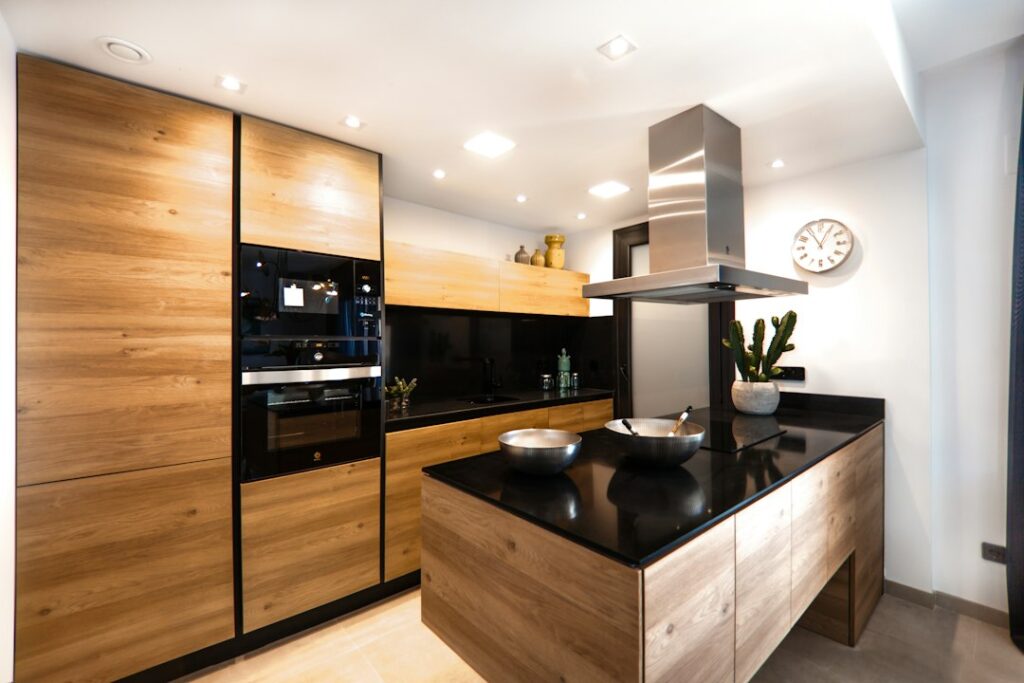
For a decade, painted white and gray cabinets ruled. That’s changing. Designers report strong demand for natural wood grain that shows character rather than hiding it under paint. Warm, mid-toned woods feel inviting and pair beautifully with the earthy, organic palettes trending in home design. If you want a kitchen that reads current and timeless at once, natural wood tones are the safest bet right now.
Natural Oak and Honey Tones
White oak in particular has become the darling of modern kitchens. Its subtle, straight grain takes a light natural or clear finish that shows off the wood without yellowing. Honey oak, once considered dated, has returned in a more refined form with cleaner finishes and flat-panel or Shaker doors. These light-to-medium warm tones brighten a kitchen, hide crumbs and minor wear, and work in everything from farmhouse to Scandinavian-modern designs.
Rich Walnut and Deep Browns
At the darker end, walnut delivers luxury. Its chocolate-brown color with flowing grain reads as high-end and pairs stunningly with brass hardware and light stone countertops. Walnut and other deep brown stains anchor a room and add drama, especially on an island paired with lighter perimeter cabinets. Because walnut is a premium species, expect to pay more, but few colors feel as rich.
Classic White and Off-White
White never truly leaves. It remains the most requested cabinet color overall because it makes small kitchens feel larger, reflects light, and matches any countertop or backsplash. The trend has softened, though, from stark bright white toward warmer off-whites, creams, and greige that feel less clinical. On wood cabinets, a painted white finish hides the grain entirely, so if you love visible wood, white isn’t your color. Popular white-family shades include:
- Pure white: Crisp and modern, best in well-lit rooms
- Cream and antique white: Warmer, softer, forgiving of wear
- Greige: A gray-beige blend that bridges warm and cool schemes
Gray Stains and Painted Grays
Gray is cooling off from its peak but still popular, particularly in transitional kitchens. Light-to-medium grays feel calm and neutral, and a gray stain (rather than solid paint) lets some grain show through for a more natural result. Charcoal and slate grays make a bold, contemporary statement, often used on lower cabinets or islands beneath lighter uppers. Keep in mind that very cool grays can feel dated faster than warm neutrals.
Green, Blue, and Bold Painted Colors
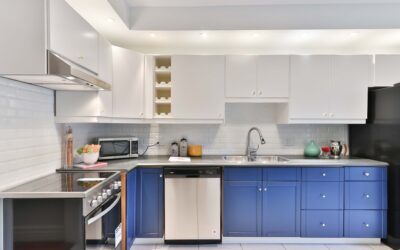
Saturated color is having a moment, usually on islands or lower cabinets rather than the whole kitchen. Sage and forest greens lead the trend, feeling fresh and organic against wood and stone. Navy and deep blue remain strong for a classic-yet-bold look. These colors work best as an accent: a green or navy island paired with natural wood or white perimeter cabinets gives you personality without committing the entire room to a strong hue.
How Wood Species Affects Color
The same stain looks different on different woods because the grain and natural color vary. This matters as much as the stain you pick:
- Oak: Prominent open grain; takes stain unevenly for a rustic, textured look. Great for natural and honey tones.
- Maple: Tight, smooth grain; takes paint beautifully and gives a clean, uniform surface. The go-to for painted white and gray.
- Cherry: Warm reddish tone that darkens with age; gorgeous with natural and medium finishes.
- Walnut: Naturally deep brown; usually finished clear to showcase its own color.
- Hickory: Dramatic light-to-dark variation; bold and rustic even with a clear finish.
If you want a flawless painted finish, choose maple or a smooth engineered door. If you want visible grain and character, oak, hickory, and walnut deliver it.
Pairing Cabinet Color with the Rest of the Kitchen
Color never lives alone. Warm woods pair naturally with cream and beige countertops, brass or matte black hardware, and earthy backsplashes. Cool grays and whites go with quartz in white and gray veining, stainless hardware, and marble-look backsplashes. A popular safe formula is a two-tone kitchen: natural wood or a bold color on the island, lighter neutral cabinets around the perimeter. That approach lets you enjoy a trending color while keeping most of the room timeless.
Choosing a Color That Lasts
Since cabinets are expensive to replace, favor colors with staying power. Natural wood tones, warm off-whites, and soft greiges age gracefully. Very trendy, high-saturation colors are best used on easily repaintable accents. And always test your top two choices as large samples in your actual kitchen lighting, because a stain that looks perfect in the showroom can shift dramatically under warm LED bulbs at home.
The Bottom Line
Among the popular kitchen cabinet wood colors today, warm natural oak, rich walnut, soft off-whites, and gray stains lead the pack, with green and navy accents adding personality on islands. Choose a wood species that suits your finish, natural grain for warm tones and smooth maple for painted looks, pair it thoughtfully with your counters and hardware, and lean toward warm neutrals for a kitchen that stays stylish for years.